

Reheating Takeaway Safely: Start With the Delivery Timeline
Bali & IndonesiaPublished 5 min readhow to
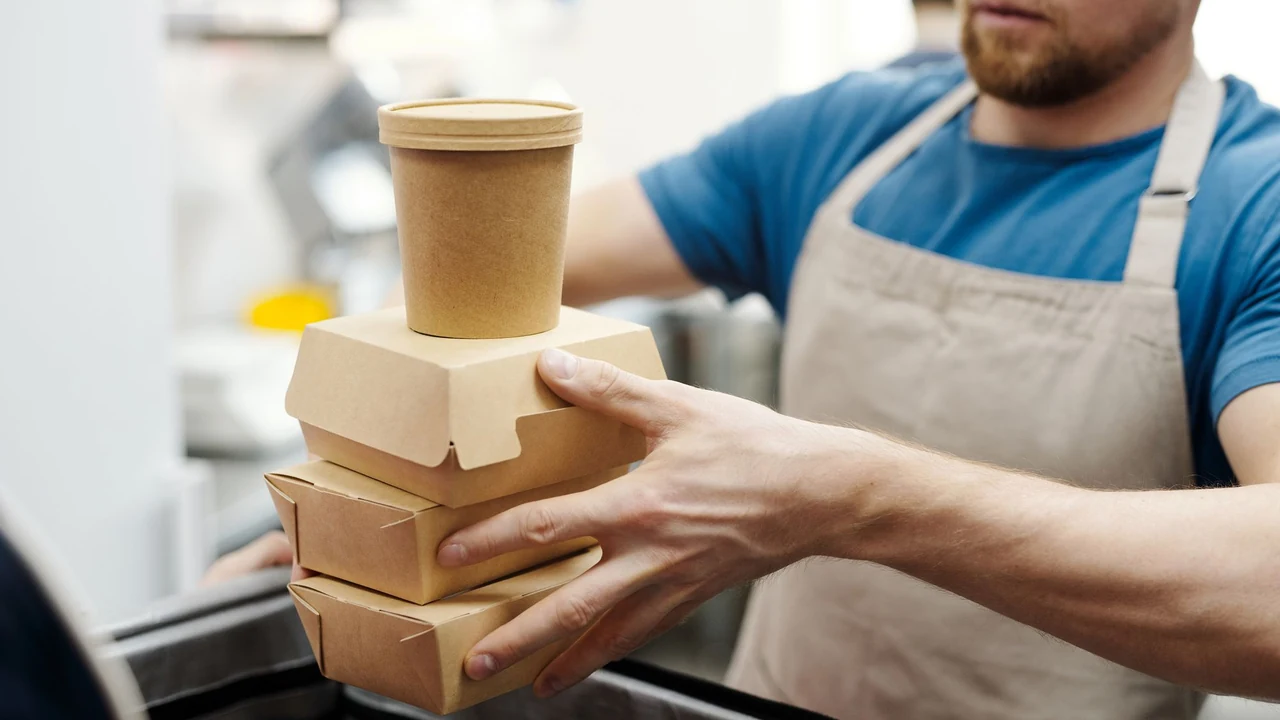
Check a takeaway meal's delivery and storage history before reheating it. Use time, refrigerator temperature and a food thermometer to avoid guesswork.
Illustrative licensed stock photograph. · Photo: Norma Mortenson · pexels.com
The short answer
Safe reheating starts with food that was safe to keep. Refrigerate perishable takeaway promptly, observe the shorter time limit in hot conditions, use reliable cold storage and heat safely stored leftovers throughout to74°C. Discard food with an unsafe or uncertain history rather than relying on smell.
Table of Contents
- Start the clock before the meal ends
- Check the refrigerator you actually have
- Cool portions efficiently
- Reheat the portion you intend to eat
- Know when to discard instead
- Make the next order easier to manage
- Sources
- Explore this topic
Before reheating takeaway food, decide whether it was stored safely. A hot microwave cannot turn an unknown delivery-and-storage history into a reliable meal. Note when the food arrived, how long it stayed out and whether your refrigerator can keep it properly cold.
The USDA's leftover guidance uses a two-hour limit for perishable food at room temperature, shortened to one hour when temperatures exceed 32°C. These are outer limits for handling, not targets to wait for. In a warm Bali room, put food away promptly rather than using the room's comfort as a thermometer.
Start the clock before the meal ends
If you are not eating the whole order promptly, separate the portion you intend to keep and refrigerate it. Do not leave the complete meal on the table through dinner, a swim and an evening out, then start counting from the moment you return.
A practical note can be very short: “Arrived 18:20, refrigerated 18:35.” That does not reveal the restaurant's earlier handling, but it prevents you from losing track of the part you control. If food arrives unexpectedly lukewarm or with a clearly uncertain history, ask the supplier about it rather than assuming reheating will solve the problem.
USDA's takeout and delivery advice recommends eating or refrigerating delivered perishable food promptly. Delivery time is part of the context, not a reason to reset the clock at your door.
Check the refrigerator you actually have
A drinks cooler that feels slightly cool may not be suitable for perishable meals. Use a refrigerator thermometer if you are relying on the appliance for food storage; USDA guidance specifies 4°C or below. Do not judge the temperature only by touching a bottle.
In a villa or hotel, identify the usable shelf before ordering extra food. Make sure the container fits without forcing the door open or packing everything tightly around it. If you do not have reliable cold storage, order an amount you can eat promptly rather than building a leftover plan around a minibar you have not checked.
Our meal-prep guide without a kitchen offers ways to organise food when equipment is limited. Equipment limitations are part of the meal decision, not an inconvenience to ignore afterward.
Cool portions efficiently
Divide a large quantity into smaller, shallow containers and refrigerate promptly. Do not leave a deep container of food on the counter for hours waiting for it to become completely cold. Follow food-specific instructions where they are stricter than general leftovers advice.
For example, a takeaway order containing rice needs a rice-specific storage plan as well as a plan for the accompanying dish. Read how long cooked rice can stay in the fridge rather than assuming that every item in a mixed meal shares one storage window.
Label the container with the preparation or receipt date and keep track of what it contains. A date on the original restaurant bag becomes unhelpful if the contents are moved into several unlabelled boxes.
Reheat the portion you intend to eat
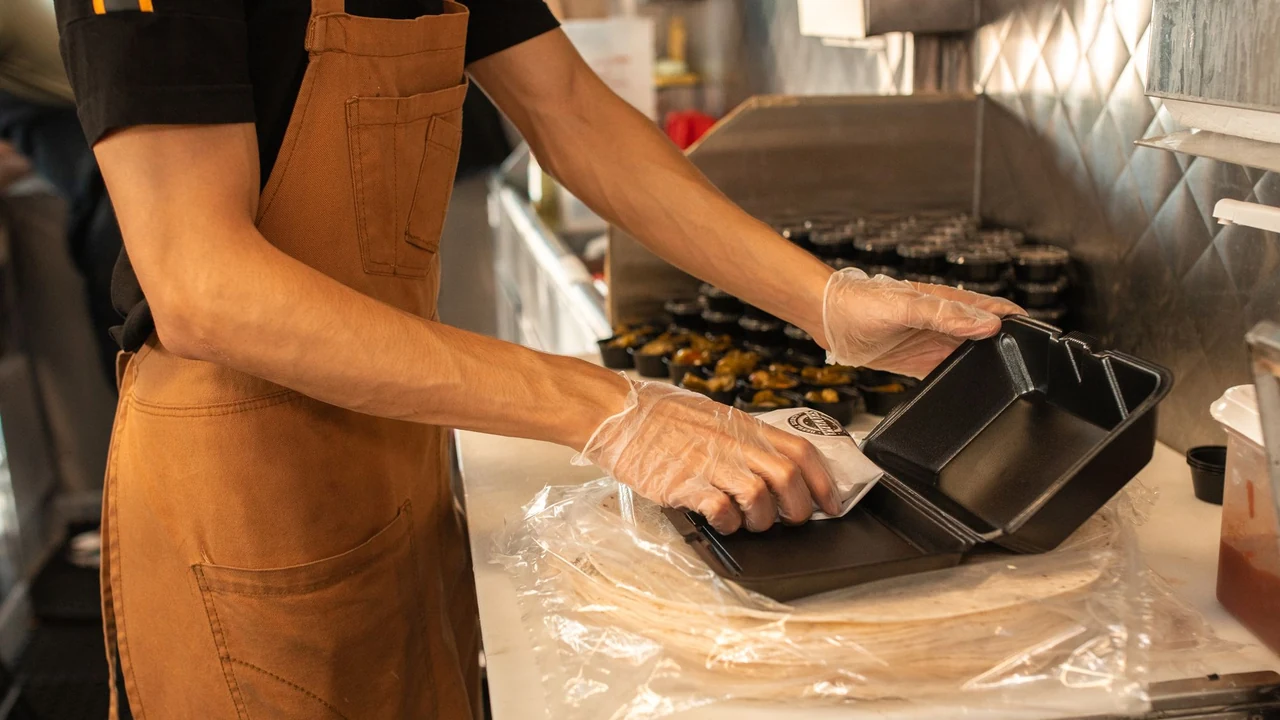
Illustrative licensed stock photograph. · Photo: RDNE Stock project · pexels.com
View full size ↗For safely stored leftovers, USDA reheating guidance specifies reaching 74°C throughout. Use a food thermometer to check the thickest areas and more than one spot. Steam at the edge is not a measurement of the centre.
In a microwave, use a microwave-safe container, cover appropriately and stir or rotate when possible. Follow the appliance and food instructions, including standing time where specified. Check again after stirring if the meal has hot and cold areas. Remove packaging that is not meant for heating.
| Common shortcut | More useful check |
|---|---|
| “The sauce is bubbling” | Check the centre of solid pieces too |
| “It smells fine” | Review storage time and temperature |
| “The box feels hot” | Measure the food, not the container |
| “I reheated it yesterday” | Keep the original storage timeline visible |
Heating a portion at a time also makes the remaining food's history easier to follow. Do not repeatedly move the whole container between the table, refrigerator and microwave without recording what happened.
Know when to discard instead
Discard food that exceeded the applicable time limit or has a storage history you cannot reasonably establish. Do not taste it to test safety. Looking and smelling normal cannot confirm that mishandled food is safe.
Imagine finding a chicken takeaway on the kitchen counter the morning after a late delivery. You cannot make a useful safety decision by asking only how many minutes to microwave it. The relevant information is that reliable cold storage was absent during the night.
Dates on packaged ingredients also have different meanings. Our best-before versus use-by guide explains why a quality date and a safety date should not be treated as interchangeable permission to keep leftovers.
Make the next order easier to manage
Before ordering, decide what you will eat now, whether you have verified cold storage and how you would reheat a remaining portion. Keep suitable containers and a thermometer where you can use them.
That small amount of planning removes the late-night guesswork. Safe reheating begins with a meal that was safe to keep, followed by a method that heats the whole portion adequately.
Instructions & useful references
- Leftovers and Food SafetyUSDA FSIS · Time limits 2 hours or 1 hour above 32 C, refrigerator at or below4 C, shallow containers and prompt chilling.
- Tackle Foodborne Illness When Ordering Takeout or Delivered FoodsUSDA FSIS · Prompt consumption or refrigeration and delivery handling.
- How do I reheat leftovers safely?USDA FSIS · Reheat leftovers to165F/74C; microwave coverage, rotation and thermometer checks.
Sources checked on October 4, 2026. This guide provides general information, with practical planning suggestions. It is not an individual treatment plan.