

Eating Well Without a Kitchen: A Travel Meal Plan
Everyday guidesPublished 5 min readhow to
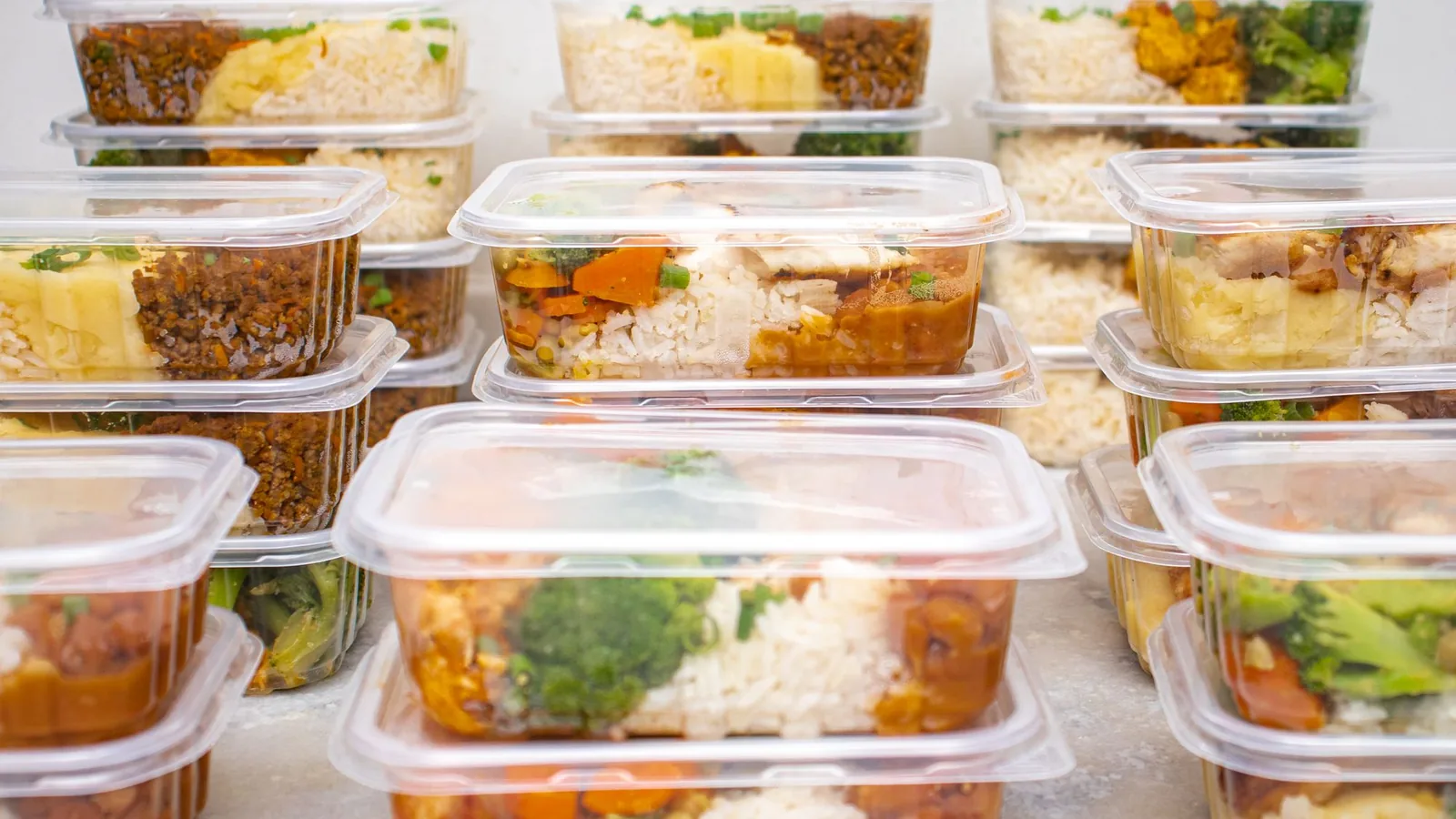
Arrange dependable meals and small safe backups around the facilities in your accommodation.
Simple ready-to-eat food items; an illustrative hotel-room meal example, not a prescribed plan. · Photo: IARA MELO · pexels.com
The short answer
Arrange dependable meals and small safe backups around the facilities in your accommodation.
Table of Contents
- Audit the room before shopping
- Give each meal a dependable starting point
- Keep a small backup supply
- Order a meal, not a collection of labels
- Keep food storage honest
- Adjust for the days that go wrong
- Sources
- Explore this topic
Eating well without a kitchen is easier when you plan where each meal will come from and keep a few safe, practical backup foods. You do not need to cook every meal or live on snack bars. Choose a dependable breakfast, identify places for substantial meals and buy only foods that match your actual storage facilities. A kettle and a minibar do not provide the same options as a working kitchen.
Think of this as meal organisation rather than meal prep. You are arranging access to food, utensils and storage instead of filling a refrigerator with cooked containers. The plan should survive a delayed meeting, a closed cafe or a day spent away from the room.
Audit the room before shopping
Check what you really have: drinking water, a clean surface, a bowl, cutlery, a refrigerator that can keep food safely cold and any appliance you are allowed to use. Ask the accommodation about restrictions rather than cooking in an unsuitable appliance.
| Facilities available | Useful planning direction |
|---|---|
| No refrigeration or cooking | Shelf-stable foods and meals bought close to eating time |
| Reliable refrigeration only | Chilled ready-to-eat foods used according to their labels |
| A kettle | Foods explicitly designed for that preparation method |
| Shared kitchen | Meals that fit the equipment, hygiene and storage arrangements |
Do not interpret the table as permission to store any food indefinitely. Once a pack is opened, its instructions may change. A shelf-stable carton can require refrigeration after opening, and a cool-feeling drinks cabinet may not be a food-safe refrigerator. [1]
Give each meal a dependable starting point
Choose one breakfast you can obtain most mornings. It could come from your accommodation, a nearby cafe or a few suitable ingredients in the room. Check opening times and what the meal includes. If you plan to train early, make sure breakfast is available at the time you need it.
For lunch and dinner, identify two or three places or food options rather than relying on one. Look for a meal with a recognisable protein food, a starchy component and vegetables or fruit across your day's eating. The Eatwell Guide is about balance over a day or week, so one imperfect travel meal does not require a dramatic correction. [2]
Write the plan in ordinary language: breakfast at the accommodation, lunch near work, dinner from a place open after your class. That is more actionable than a precise menu based on ingredients you cannot prepare.
Keep a small backup supply
A backup is there for a missed opportunity, not to replace every meal. Choose foods you like and can store as directed. Whole fruit, sealed shelf-stable foods and suitable single portions can be easier to manage than a large shopping bag of chilled ingredients.
Consider the packaging. Can you open it without a tin opener? Will you need a clean spoon? Does the remainder need a refrigerator you do not have? A food can be nutritionally useful and still be a poor travel choice because of these practical details.
Buy for the next few realistic uses. If you will be out all day tomorrow and moving rooms the following morning, a large multipack may create waste. Keep the backup in one place so you can check what remains before shopping again.
Order a meal, not a collection of labels
Restaurant descriptions such as “clean,” “fitness” or “superfood” do not tell you what the meal contains. Read the ingredients and ask straightforward questions. If the meal appears to have little of the protein food you want, ask whether it can be added rather than assuming a special menu category is necessary.
You can use how much protein per day to think about the whole day's pattern. That is more useful than expecting every meal to meet the same number. For someone avoiding meat, a clear portion of tofu, beans or eggs may be easier to identify than the nutrient content of a mixed sauce.
Check allergies and dietary restrictions separately. A restaurant's willingness to alter a dish does not prove it can prevent cross-contact. Explain the actual requirement and choose another option if staff cannot confirm what you need.
Keep food storage honest
Buying food several hours before eating it can create a storage problem. Do not leave chilled food in a hot room or vehicle while you finish a day's activities. FDA guidance recommends prompt refrigeration and a shorter time limit when the surroundings are very hot. [1]
If refrigeration is uncertain, buy a smaller amount close to mealtime. That may be less convenient than a large grocery run, but it avoids building the plan around an unverified appliance. Check whether removing the room key cuts power to the refrigerator; do not assume the answer either way.
Keep ready-to-eat food in clean containers and follow the package instructions. If you cannot establish that a perishable food was stored safely, do not use smell or appearance as proof. Food safety is part of meal planning, not a separate detail to consider after the food has already been left out.
Adjust for the days that go wrong
If a meeting runs late, use the backup and then resume your normal meal plan. If a restaurant is closed, use the second option you identified. There is no need to compensate with an extreme restriction or an unusually large meal simply because the schedule changed.
If illness disrupts eating, follow advice for that situation. The guide to food and fluids with Bali belly addresses acute symptoms; a general travel meal plan is not a substitute for care when symptoms are serious.
Before bed, make three checks for tomorrow: where breakfast will come from, which meal is most likely to be delayed and whether the backup needs replacing. A small amount of planning can give you reliable meals without pretending your hotel room is a fully equipped kitchen.
Instructions & useful references
- Are You Storing Food Safely?US Food and Drug Administration · Prompt refrigeration, 40 F refrigerator guidance, 2-hour/1-hour storage boundaries and limits of smell.
- The Eatwell GuideNHS · Overall meal pattern and balance across a day or week.
Sources checked on September 23, 2026. This guide provides general information, with practical planning suggestions. It is not an individual treatment plan.