

Best Before vs Use By: Which Date Is About Safety?
Everyday guidesPublished 4 min readhow to
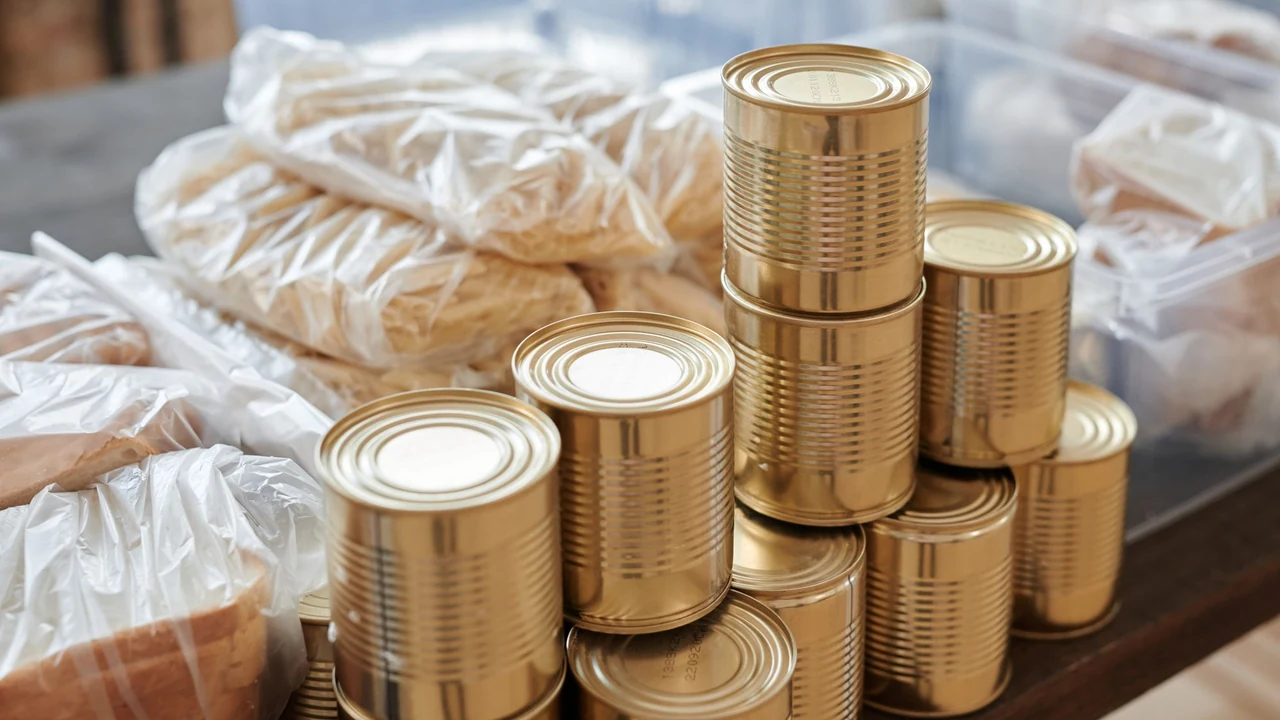
A practical guide for imported groceries in Bali: date formats, opening instructions, storage history and the limits of a smell test.
Illustrative licensed stock photograph. · Photo: Julia M Cameron · pexels.com
The short answer
Best-before and use-by labels can have different meanings across countries. Read the words, the label system, storage conditions and after-opening directions together; a date alone does not establish food safety.
Table of Contents
- Why the country on the label matters
- Read four pieces of information together
- An unopened date does not restart after opening
- A date cannot reconstruct the cold chain
- Can you just smell it?
- A useful shopping and storage habit
- Sources
- Explore this topic
“Best before” and “use by” do not always mean the same thing—and their legal meaning is not identical in every country. For food bought in Bali, read the actual package, including any local-language label, storage directions and instructions after opening.
A date is useful information. It is not proof that a package was kept at the right temperature or that an opened product remains suitable until the printed day.
Why the country on the label matters
Food Standards Australia New Zealand distinguishes a safety-based use-by date from a quality-based best-before date. Under that system, food should not be eaten after its use-by date. A best-before date allows a different assessment, provided the food remains fit to eat and has been stored correctly.
The US Department of Agriculture explains that most US date phrases describe quality rather than safety; infant formula is an important exception. Even the phrase “use by” can therefore carry a different meaning from an Australian label.
These examples explain why a universal internet rule is unreliable. They are not a complete statement of Indonesian food law and do not authorise ignoring a local expiry instruction.
Read four pieces of information together
| Check | A useful question |
|---|---|
| The words beside the date | Is it manufacture, packing, best-before, use-by or another expiry instruction? |
| The date format | Could the day and month be confused? |
| Storage conditions | Was refrigeration required before opening, after opening or both? |
| After-opening directions | Is there a shorter period once the seal is broken? |
Do not identify the meaning from the numbers alone. A batch code is not necessarily an expiry date, and a manufacturing date is not permission to invent a shelf life.
If an imported label and an added sticker appear inconsistent, ask the retailer or importer to clarify the specific package. Photograph both labels so the question can be answered without guessing.
An unopened date does not restart after opening
Consider a fictional drink carton carrying two instructions:
- Best before 18 November, when stored as directed.
- Once opened, refrigerate and use within three days.
If you open it on 5 November, the printed 18 November date does not cancel the shorter instruction. Record when you opened it and follow the stated conditions.
This example illustrates how two instructions interact; it does not establish a three-day rule for all drinks. Other products have different directions.
The same logic applies when decanting food into a jar. If you throw away the original package, you may lose the date, the storage directions and the identity needed for a recall. A quick photo of the label or a note on the container preserves that information.
A date cannot reconstruct the cold chain
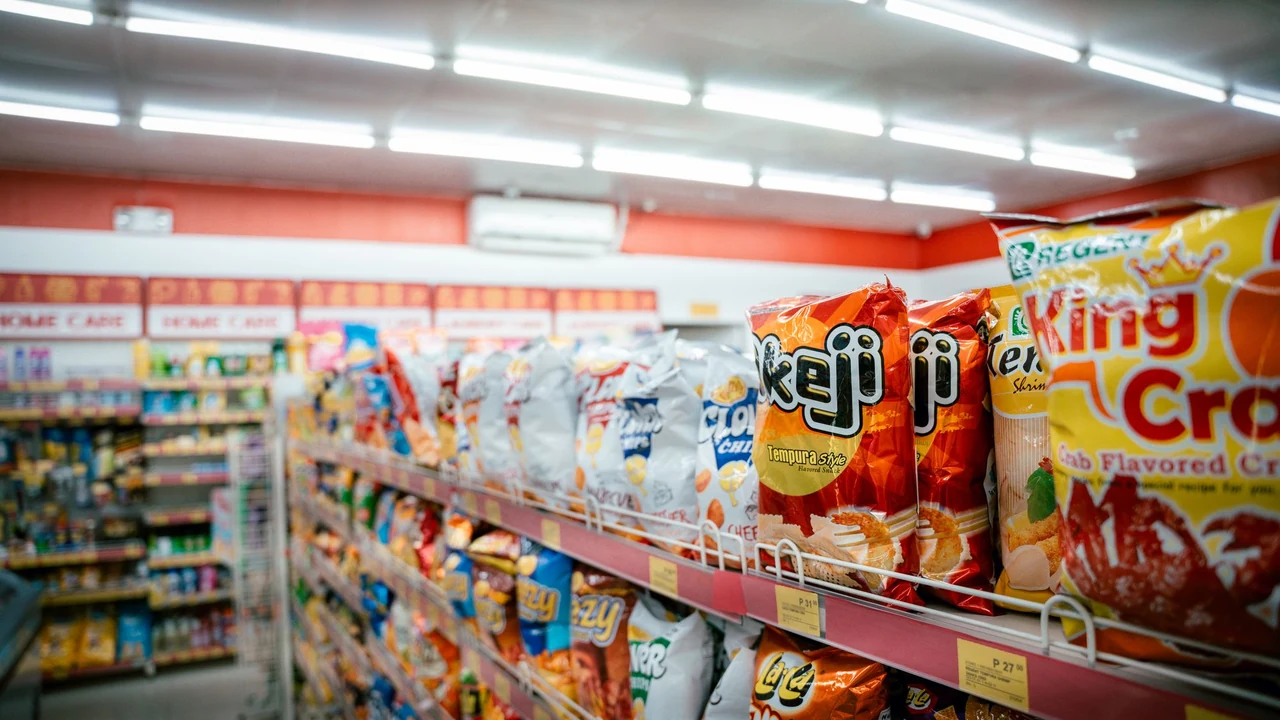
Illustrative licensed stock photograph. · Photo: Kenneth Surillo · pexels.com
View full size ↗Suppose two identical chilled items show the same date. One went straight from the shop refrigerator to an appropriate refrigerator. The other spent an unknown period warm in a delivery bag.
The matching dates do not establish matching storage histories. Avoid using the later printed date as an answer to a temperature problem.
For an item you believe was mishandled, ask the seller about replacement or disposal rather than trying to extend its life through a new label. This article does not provide a universal number of safe hours outside refrigeration; the food, conditions and applicable guidance matter.
Can you just smell it?
A smell test cannot settle every food-safety question. USDA distinguishes spoilage organisms from organisms that cause foodborne illness; visible or sensory deterioration is not the whole safety picture.
Do not taste an uncertain food to test it. In particular, an Australian or New Zealand use-by instruction is not overridden because the food smells normal. Damaged packaging or an unclear storage history also needs attention independently of the date.
“Past best before” should not be translated into “automatically dangerous,” but it should not become “always safe” either.
A useful shopping and storage habit
Before paying, locate the date and check whether you can meet the storage instructions at your accommodation. When opening the item, add that date to a small piece of tape or a phone note. Keep foods with shorter remaining use instructions visible.
For pantry foods, buy an amount you can reasonably use after opening. A larger package is not automatically economical if most of it will be discarded.
Our protein snacks without a fridge guide deals with choosing foods for that particular constraint. It does not make a normally chilled food shelf-stable.
The practical skill is reading the date, the label system and the storage instructions together. When those details are missing or contradictory, resolve the uncertainty for that product instead of borrowing a rule from a different country's packaging.
Instructions & useful references
- Use-by and best-before datesFood Standards Australia New Zealand · Australia/New Zealand scope; safety use-by versus quality best-before; storage and instructions.
- Food Product DatingUSDA Food Safety and Inspection Service · US scope, quality-focused phrases and infant-formula exception; pathogen/spoilage distinction; not imported as Indonesian law.
Sources checked on September 28, 2026. This guide provides general information, with practical planning suggestions. It is not an individual treatment plan.