

How Long Can Cooked Rice Stay in the Fridge?
Everyday guidesPublished 5 min readhow to
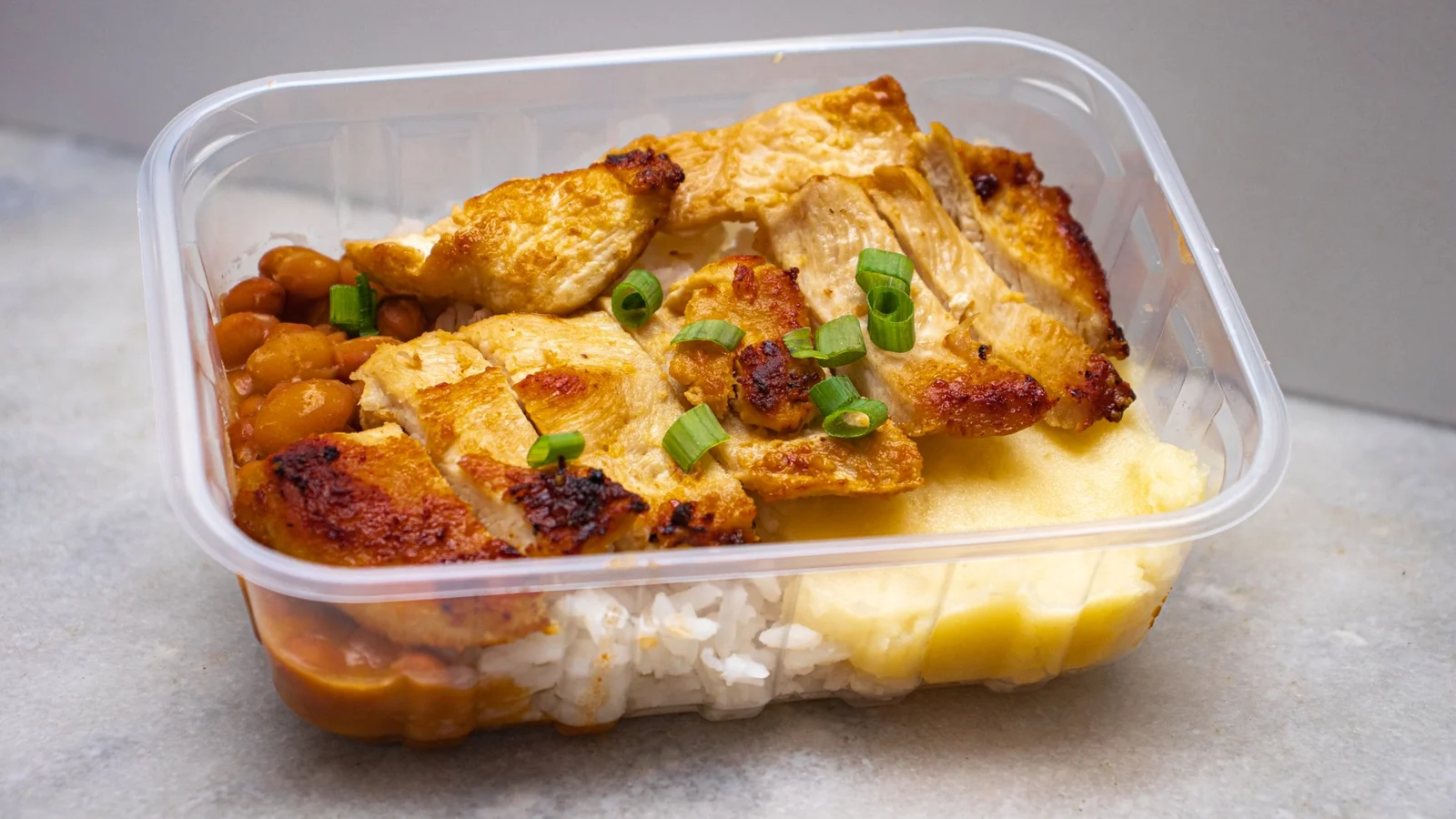
Use a clear rice-storage rule: cool promptly, refrigerate for no more than one day under FSA guidance, and reheat once. Includes takeaway and meal-prep examples.
Photo: IARA MELO · pexels.com
The short answer
The UK Food Standards Agency advises cooling cooked rice quickly, ideally within one hour, and keeping it refrigerated for no more than one day before reheating. Reheat only once, until steaming hot throughout. Rice left under unsafe conditions is not made safe simply by reheating.
Table of Contents
- Use a rice-specific rule, not a generic leftovers estimate
- Make the cooling plan before making a large batch
- Label the time, not just the day
- Why reheating cannot fix every mistake
- Takeaway rice needs a different question
- Meal prep in a small Bali kitchen
- A short routine to repeat
- Sources
- Explore this topic
Use a rice-specific rule, not a generic leftovers estimate
If you want one clear answer to how long cooked rice lasts in the fridge, this guide follows the UK Food Standards Agency's home advice: cool it quickly, ideally within one hour, and keep it refrigerated for no more than one day before reheating. Reheat only once, making sure it is steaming hot throughout.
That is a named authority's conservative household rule. You may see different storage periods in other countries' guidance or generic leftovers articles. Do not combine the longest refrigerator time from one source with the loosest cooling advice from another and assume the result is supported.
The FSA home food fact checker treats rice specifically. The storage history matters from cooking onward; putting a container in the fridge does not erase the hours it previously spent on a warm counter.
Make the cooling plan before making a large batch
Before cooking, find suitable clean containers and enough refrigerator space. Divide a large quantity into smaller portions so the rice can cool more quickly. Do not leave a deep pot sitting out for the evening while you decide what to do with it.
Think about the amount you will actually eat next. A large batch is not automatically efficient if your accommodation has limited refrigeration or you are leaving the next morning. Cooking a smaller amount can be the simpler plan when storage is uncertain.
| Situation | Practical decision |
|---|---|
| Freshly cooked rice for tomorrow | Arrange prompt cooling and refrigeration now |
| Rice has sat out through a long afternoon | Do not use reheating as a rescue strategy |
| Takeaway rice with an unknown earlier history | Prefer eating it when purchased; do not assume it has never been reheated |
| Fridge was off or unreliable | Assess the storage problem rather than restarting the clock |
Label the time, not just the day
“Thursday rice” can mean a batch made at breakfast or late at night. A label such as “cooked Thursday, 7 pm” is more useful when deciding what to eat on Friday. Add any important storage detail instead of relying on memory after a busy day.
For example, if dinner is cooked at 7 pm, portion and cool the rice promptly as part of clearing up, then refrigerate it. Decide which meal the next day will use it. This is a planning example; it is not permission to leave rice at room temperature until the next meal.
Why reheating cannot fix every mistake
Food Standards Scotland explains that rice can contain spores that survive cooking, and that poor cooling or storage can allow toxin formation. The practical consequence is to handle the rice correctly from the start. “I will fry it really hot” is not a sound plan for rescuing rice with an unsafe storage history.
Use the storage history, not smell or appearance alone, to make the decision. A container that looks normal does not establish that it was kept safely. If you do not know how long it was left out, do not invent a reassuring time estimate.
Takeaway rice needs a different question
With home cooking, you know when the batch was made. With takeaway rice, you may not know whether it was cooked earlier and reheated before being served. Ask if necessary and avoid assuming that the reheating you do at home would be the first one.
This is particularly relevant when dinner is followed by a long outing before you return to your accommodation. Carrying the container around all evening and then refrigerating it is not the same as promptly storing a fresh batch. Order an amount you expect to eat, or make a clear plan before keeping the remainder.
Meal prep in a small Bali kitchen
Choose containers that fit the actual fridge shelf, and check that the appliance is working properly. A minibar shared with drinks may have less usable space than you expect. Keep a separate plan for ingredients that need cold storage instead of treating the top of a cooler as overflow space.
If you do not have reliable cooking and storage facilities, our meal prep without a kitchen guide offers a different approach. You do not need to cook several days of rice to have an organised meal routine.
A short routine to repeat
Choose the portion you need, prepare the containers, cool the rice promptly, mark the cooking time and refrigerate it. Use the rice within the selected guidance and reheat only once. If the plan changes, decide based on the real handling history rather than the wish to avoid throwing anything away.
If you develop significant or persistent illness after eating, seek appropriate medical advice. Our Bali belly food guide covers eating and drinking during recovery, but it cannot determine whether a particular leftover caused the symptoms.
Instructions & useful references
- Home food fact checkerUK Food Standards Agency · Rice: cool quickly, ideally within one hour; refrigerate no more than one day; reheat once, steaming hot.
- Safe food storageFood Standards Scotland · Rice spore survival and toxin formation during poor storage; prompt chilling and refrigeration.
Sources checked on September 24, 2026. This guide provides general information, with practical planning suggestions. It is not an individual treatment plan.