

Psyllium vs Chia Seeds: Food, Fibre Supplement or Constipation Treatment?
Everyday guidesPublished 5 min readhow to
1:39 · English narration Continue reading the article ↓
Video chapters
Read the video transcript
Psyllium is commonly used as a fibre supplement; chia is a food. Choose by the job you need done rather than assuming both gels have the same evidence.
Chia and psyllium both interact with water, but they are not interchangeable. Chia is a food ingredient; psyllium is commonly used as a fibre supplement. Decide whether you want a meal addition or help with a symptom.
Constipation guidance conditionally supports psyllium in particular situations, with limited-quality evidence. That does not show the same effect for chia. A gel texture tells you how an ingredient behaves in water, not whether it treats a condition.
For breakfast texture, chia may be convenient. For a fibre supplement, follow the actual psyllium product. For persistent constipation, consider an appropriate care plan. A spoonful of one does not automatically replace a spoonful of the other.
Do not swallow dry chia and then chase it with water. Follow psyllium mixing and fluid directions. If swallowing is difficult, get individual advice before using swelling seeds or fibre products rather than experimenting with texture.
Adding several new fibre products at once makes discomfort hard to interpret. Change one thing, keep a simple record and avoid large sudden increases. Ask a pharmacist about medicine timing when using a fibre supplement.
Persistent symptoms deserve assessment, and severe pain, vomiting, blood or inability to pass gas need prompt advice. Choose food for a food purpose and supplements for a clear reason, instead of treating every digestive problem as low fibre.
Download transcript · English captions · Footage and production credits
Illustrative Pexels footage, original explanatory graphics and music, with synthetic English narration. People shown do not endorse products.
Psyllium is commonly used as a fibre supplement; chia is a food. Choose by the job you need done rather than assuming both gels have the same evidence.
The short answer
Chia is a food that adds fibre and other nutrients; psyllium is commonly used as a fibre supplement and has guideline support for some constipation situations. They are not interchangeable spoon for spoon, and chia's gel texture does not prove the same treatment effect. Start by deciding whether you want a food ingredient or help with a symptom.
Table of Contents
- Food ingredient versus fibre supplement
- The constipation evidence is not identical
- More fibre is not always the first answer
- Hydration and preparation matter
- Change one thing at a time
- Choose for the actual job
- Sources
- Explore this topic
Chia and psyllium both interact with water, but they are not the same product or the same kind of decision. Chia is a food you might add to breakfast. Psyllium is commonly used as a fibre supplement, including for some constipation problems.
Start by naming the job. Do you want a convenient food ingredient, more variety in dietary fibre or a treatment plan for persistent symptoms? A comparison is much clearer once you separate those aims.
Food ingredient versus fibre supplement
Illustrative licensed stock photograph. · Photo: Jubair Bin Iqbal · pexels.com
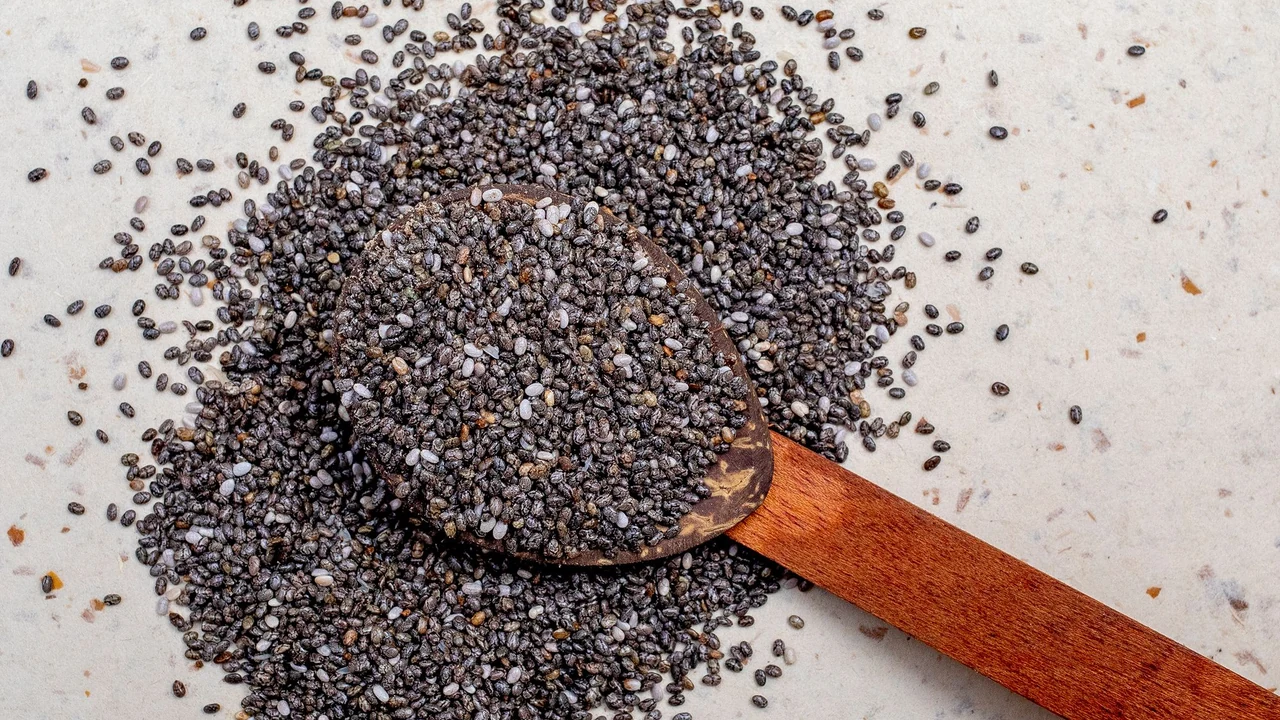
View full size ↗Chia seeds bring texture and several nutrients to a meal. You can enjoy them in a prepared pudding or another suitable dish without treating breakfast as a medical intervention.
Psyllium products are usually bought for their fibre function. Their directions, form and serving information matter. A spoonful of one cannot simply replace a spoonful of the other while preserving the same amount or effect.
| Your aim | What to consider |
|---|---|
| Add texture and fibre to breakfast | Chia may fit as a food ingredient |
| Use a fibre supplement | Read the exact psyllium product and directions |
| Manage ongoing constipation | Consider the cause and an appropriate care plan |
| Avoid bloating from a sudden fibre increase | Start gradually rather than adding large amounts |
| Compare cost | Compare the intended use, not just bag size |
Neither product earns a universal “better for the gut” label from being natural or forming a gel.
The constipation evidence is not identical
The AGA-ACG guideline discussion conditionally suggests fibre supplementation, specifically psyllium, for chronic idiopathic constipation. The evidence is limited in quality, and “conditional” means that the choice depends on individual circumstances and preferences.
That is not a recommendation that everyone with a missed bowel movement should immediately start the same supplement. It also does not establish that chia has the same clinical effect simply because it absorbs water.
The comparison should preserve the distinction between a food's composition and evidence for treating a defined condition. A familiar texture is not a substitute for a clinical trial.
More fibre is not always the first answer
Constipation can have different contributors, including changes in routine or medicines. If symptoms persist, it is useful to discuss the whole situation rather than continually increasing a supplement.
NIDDK's constipation-treatment guidance includes several practical approaches and treatment options. The appropriate choice depends on the person and the problem.
Keep a short record of bowel habits, symptoms, recent dietary changes and medicines. That record is more useful for an appointment than a list of products you have stacked on top of one another.
If there is severe or persistent abdominal pain, vomiting, blood or inability to pass gas, seek medical advice promptly rather than treating the situation as a fibre-shopping decision.
Hydration and preparation matter
Illustrative licensed stock photograph. · Photo: Polina ⠀ · pexels.com
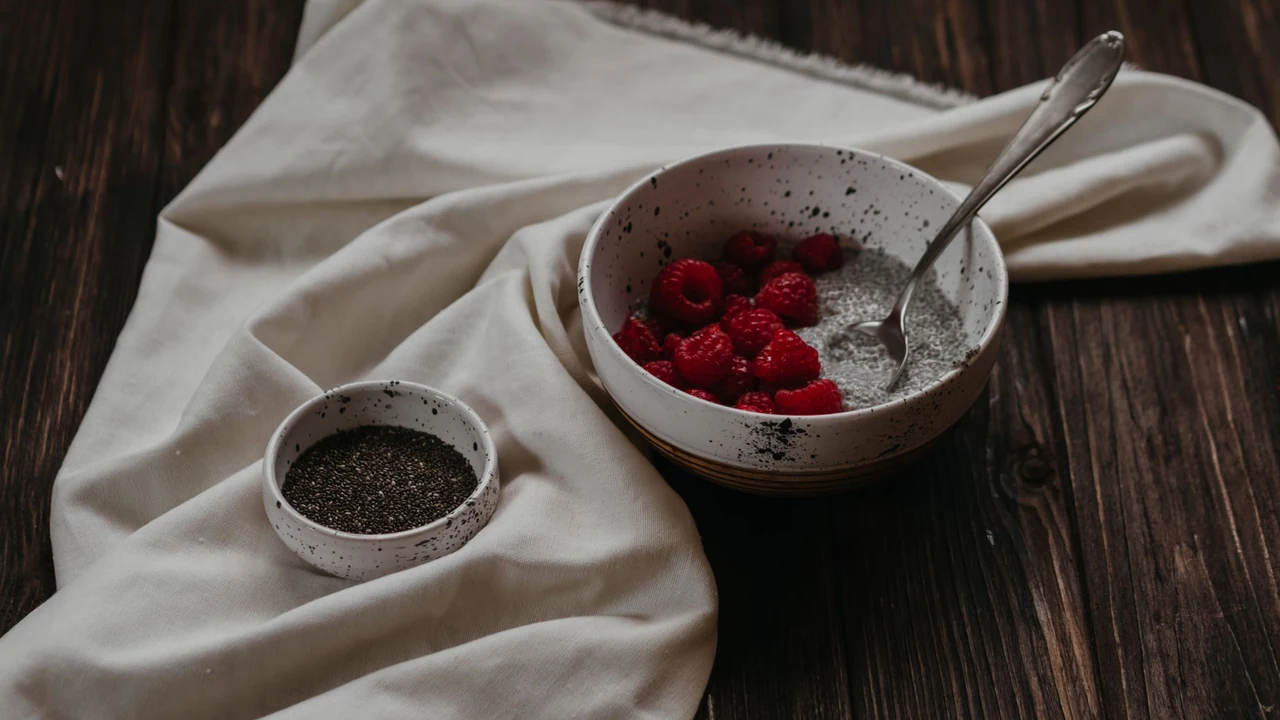
View full size ↗Follow the psyllium product's directions for preparation and fluid. Do not swallow dry powder or improvise a concentrated mixture because you want a stronger effect. Ask a pharmacist about timing around other medicines if the label or your treatment plan raises that question.
For chia, avoid swallowing a dry spoonful and chasing it with water. The American College of Gastroenterology describes an obstruction case involving that method. A case report does not establish the frequency of the problem, but it is a useful reason to avoid the practice.
People with swallowing difficulties should get individual advice before using swelling seeds or fibre products. Preparation does not automatically make every texture suitable for every swallowing issue.
Our guide to soaking chia seeds focuses on the kitchen method.
Change one thing at a time
If you introduce chia, psyllium, a new protein powder and several high-fibre snacks together, you will have difficulty working out why your digestion changed. A gradual, simpler change is easier to assess.
Record the product, the directed serving you used and how you felt. Do not judge the whole category from one large, unfamiliar serving.
Read increasing fibre without bloating for the broader food approach. You may find an ordinary dietary adjustment more convenient than a supplement, depending on the problem you are trying to solve.
Choose for the actual job
If you enjoy chia as food, use it in a manageable meal and store that meal appropriately. If you are considering psyllium for symptoms, use the product directions and relevant professional advice.
Do not replace a recommended treatment with chia merely because both products thicken in water. Equally, you do not need a supplement just because a breakfast ingredient is fashionable. A clear purpose, sensible preparation and a way to assess the result make the decision more useful than declaring one universal winner.
Instructions & useful references
- Joint AGA-ACG Clinical Practice Guideline on Chronic Idiopathic Constipation TreatmentsACG · Fibre is conditional recommendation; psyllium evidence; scope chronic idiopathic constipation.
- Watch It Grow: Esophageal Impaction With Chia SeedsACG · Case-based precaution: prehydrate, no dry spoonful followed by water; dysphagia and inability to swallow saliva.
- Treatment for ConstipationNIDDK · Diet, fluids, activity, bowel habits and clinician-guided medication review.
- Symptoms & Causes of ConstipationNIDDK · Symptoms and urgent associated features: persistent pain, vomiting, inability to pass gas, bleeding.
Sources checked on October 1, 2026. This guide provides general information, with practical planning suggestions. It is not an individual treatment plan.