

How to Soak Chia Seeds Without a Dry, Clumpy Middle
Everyday guidesPublished 5 min readhow to
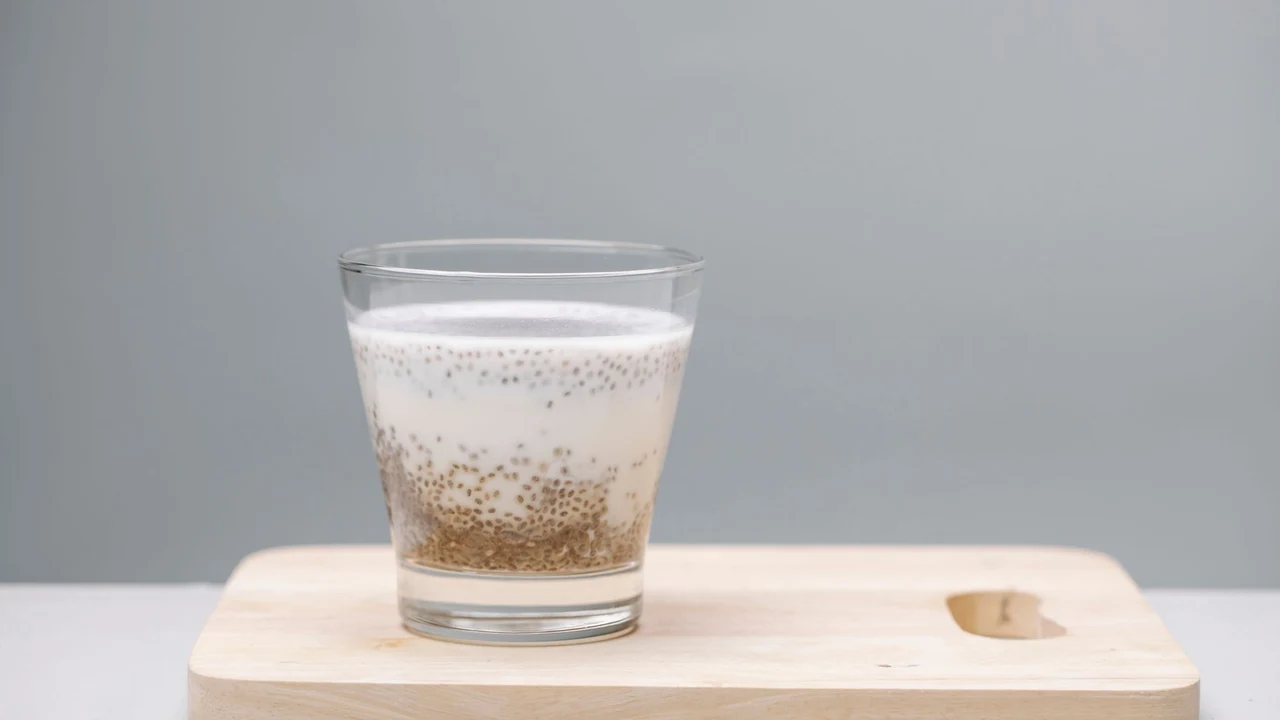
A practical method for evenly hydrated chia, with a distinction between kitchen texture and the swallowing risk of dry spoonfuls.
Illustrative licensed stock photograph. · Photo: Charlotte May · pexels.com
The short answer
Stir chia into plenty of liquid, stir again as it starts to thicken and wait until the seeds are evenly surrounded by gel. Add liquid if dry clumps remain. Do not swallow a spoonful of dry chia and chase it with water.
Table of Contents
- Start with a small kitchen trial
- Water, milk or yogurt?
- Why not swallow dry seeds and drink water afterwards?
- Keep the portion comfortable
- Refrigeration still matters
- Sources
- Explore this topic
To soak chia seeds, mix them into liquid, stir thoroughly, stir again once thickening starts and check for dry clumps before eating. You are aiming for evenly hydrated seeds, not a dry mound with gel only around its edges. More seeds need more liquid; a thicker-looking bowl is not automatically a better one.
There is no special detox stage unlocked by a precise number of minutes. The practical endpoint is texture. A spoon should move through the mixture without uncovering a pocket of dry seeds.
Start with a small kitchen trial
Use a bowl or jar with enough spare room to stir. Add the liquid first, sprinkle in the seeds and mix immediately. A fork or small whisk makes it easier to break up floating clusters than shaking a tightly packed jar.
For an initial kitchen experiment, one tablespoon of chia in roughly a third of a cup of liquid gives you room to see how your preferred texture develops. This is a recipe starting point, not a treatment dose or a universal ratio. Brands, liquid thickness and personal preference change the result.
Leave it for several minutes, then stir again. If a dense layer has collected on the bottom, lift it into the liquid rather than only stirring the surface. Give it more time and check again. Add liquid in small amounts if the mixture becomes too stiff to combine evenly.
| What you see | What to do |
|---|---|
| Dry seeds gathered on top | Stir them through the liquid |
| A dense layer on the bottom | Scrape and mix from the base |
| Gel outside a dry lump | Break the lump apart and add liquid |
| A loose but evenly gelled mixture | Allow more time if you want it thicker |
This method is easier to repeat than copying a large pudding recipe before you know whether you enjoy the texture.
Water, milk or yogurt?
Water gives the clearest view of hydration. Milk and plant drinks turn the mixture into a breakfast base, but their flavour and thickness vary. Yogurt is already thick, so mixing dry seeds directly into it can make it harder to see whether enough free liquid is available. Loosen it with a little suitable liquid and check carefully.
Think about the complete meal. Chia is an ingredient rather than a complete protein plan. If breakfast needs to keep you going until lunch, decide what else belongs in the bowl: a protein-containing food, fruit and whatever texture you enjoy.
Our guide to protein breakfasts without powder gives examples without requiring a supplement. You can keep chia as a small addition rather than building every breakfast around it.
Why not swallow dry seeds and drink water afterwards?
Illustrative licensed stock photograph. · Photo: Antoni Shkraba · pexels.com
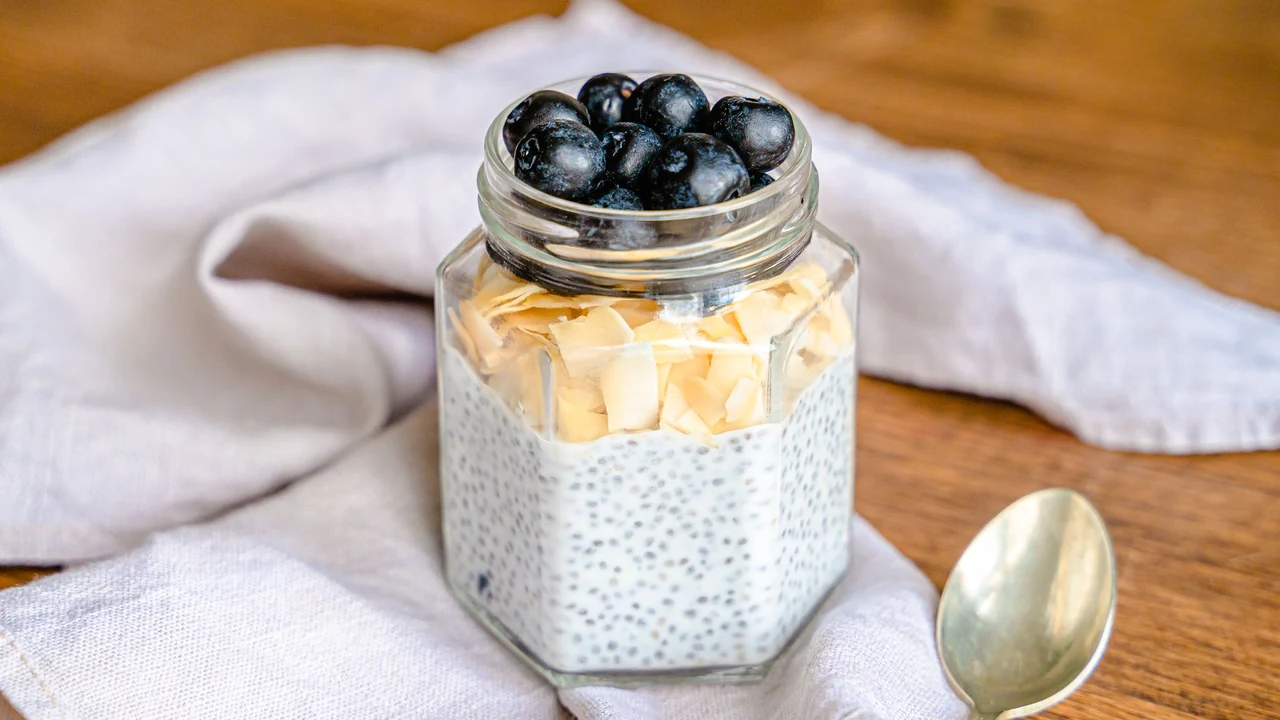
View full size ↗Chia absorbs liquid and swells. The American College of Gastroenterology describes a case of oesophageal obstruction after dry seeds were swallowed and followed by water. A case report does not tell us how commonly this happens, but it is a good reason not to use that method.
People with swallowing difficulties or a history of food getting stuck should ask their clinician before experimenting with swelling seeds or fibre supplements. Hydration is not a guarantee that every texture is appropriate for every swallowing problem.
If food feels stuck and you cannot swallow normally, seek urgent medical help rather than repeatedly trying to push it down with more food or drink. This is a swallowing issue, not ordinary fullness after breakfast.
Keep the portion comfortable
Suddenly adding a large chia pudding to an otherwise low-fibre diet can be an uncomfortable experiment. Start with a modest amount you actually want to eat and adjust gradually. There is no need to force a large serving because a social post presents it as a daily challenge.
If bloating is your main concern, change one ingredient at a time. A pudding may contain chia, a new sweetener, a new milk and a large fruit serving. Changing all four makes it difficult to know what suited you.
Read increasing fibre without bloating for the broader approach. Chia does not have to be the fibre source you choose.
Refrigeration still matters
Soaking does not make milk or yogurt safe to leave on a warm counter. Keep a perishable mixture covered and refrigerated, use clean utensils and follow the storage directions for its ingredients. An overnight soak belongs in the fridge, especially in a hot room.
Make only what you can store sensibly. If the accommodation fridge does not keep food reliably cold, a large batch is inconvenient regardless of how well the seeds gel. Prepare a small fresh portion with ingredients you can handle safely instead.
The useful routine is simple: stir twice, check the centre, adjust the liquid and keep perishable ingredients cold. Let the texture guide the recipe rather than treating an exact soaking time as a health rule.
Instructions & useful references
- Watch It Grow: Esophageal Impaction With Chia SeedsACG · Case-based precaution: prehydrate, no dry spoonful followed by water; dysphagia and inability to swallow saliva.
- What You Need to Know About Egg SafetyFDA · Hard-cooked eggs one week refrigerated; two hours out or one hour over90F; safe cooking and cold storage.
Sources checked on October 1, 2026. This guide provides general information, with practical planning suggestions. It is not an individual treatment plan.