

Why Does Protein Powder Make You Bloated?
Everyday guidesPublished 5 min readhow to
1:22 · English narration Continue reading the article ↓
Video chapters
Read the video transcript
The culprit may be the milk, serving size, added fibre or the way you drink it. Troubleshoot the whole recipe before buying another tub.
A bloated stomach after a protein shake does not automatically mean you cannot digest protein. Look at the whole drink: the powder, liquid, serving size, extras and how quickly you drink it.
Whey and the milk used to mix it may both contribute lactose. Low-lactose is not the same as milk-protein-free. Allergy symptoms such as swelling or breathing trouble need urgent care, not a different whey experiment.
If symptoms are mild and familiar, change one thing at a time. Comparing milk with water while keeping the powder and portion the same is more informative than replacing the entire recipe overnight.
Added fibre, some sweeteners, a very large serving and fast drinking may all matter. That does not make every ingredient a problem. Record what you use before creating a long list of foods to avoid.
You do not have to force a shake into your day. Familiar foods can provide protein too. Choose a powder only when it fills a practical gap and you can use it comfortably.
Persistent symptoms, severe pain, blood in the stool or unexplained weight loss need assessment. Bring the product label and a short symptom record. The goal is a comfortable routine, not endless switching between tubs.
Download transcript · English captions · Footage and production credits
Illustrative Pexels footage, original explanatory graphics and music, with synthetic English narration. People shown do not endorse products.
The culprit may be the milk, serving size, added fibre or the way you drink it. Troubleshoot the whole recipe before buying another tub.
The short answer
Protein-shake bloating does not automatically mean you cannot digest protein. Lactose, certain added carbohydrates, a large serving or swallowed air may contribute. Record the complete recipe and change one thing at a time. Persistent symptoms, severe pain or signs of an allergic reaction need medical assessment.
Table of Contents
- Write down what is actually in the glass
- Check lactose without confusing it with allergy
- Look at the added ingredients and the volume
- Use a one-change comparison
- Decide whether you need the shake at all
- Know when to stop troubleshooting alone
- Sources
- Explore this topic
Protein powder can leave you bloated, but that does not automatically mean you are “bad at digesting protein.” A shake is a combination of ingredients, liquid, serving size and drinking habits. Investigating that combination is more useful than switching randomly between expensive tubs.
Start with the complete recipe. The powder may contain milk ingredients, the liquid may add more lactose, and the extras may include fruit, added fibre or sweeteners. A very large drink swallowed quickly can also feel different from a smaller portion sipped comfortably.
Write down what is actually in the glass
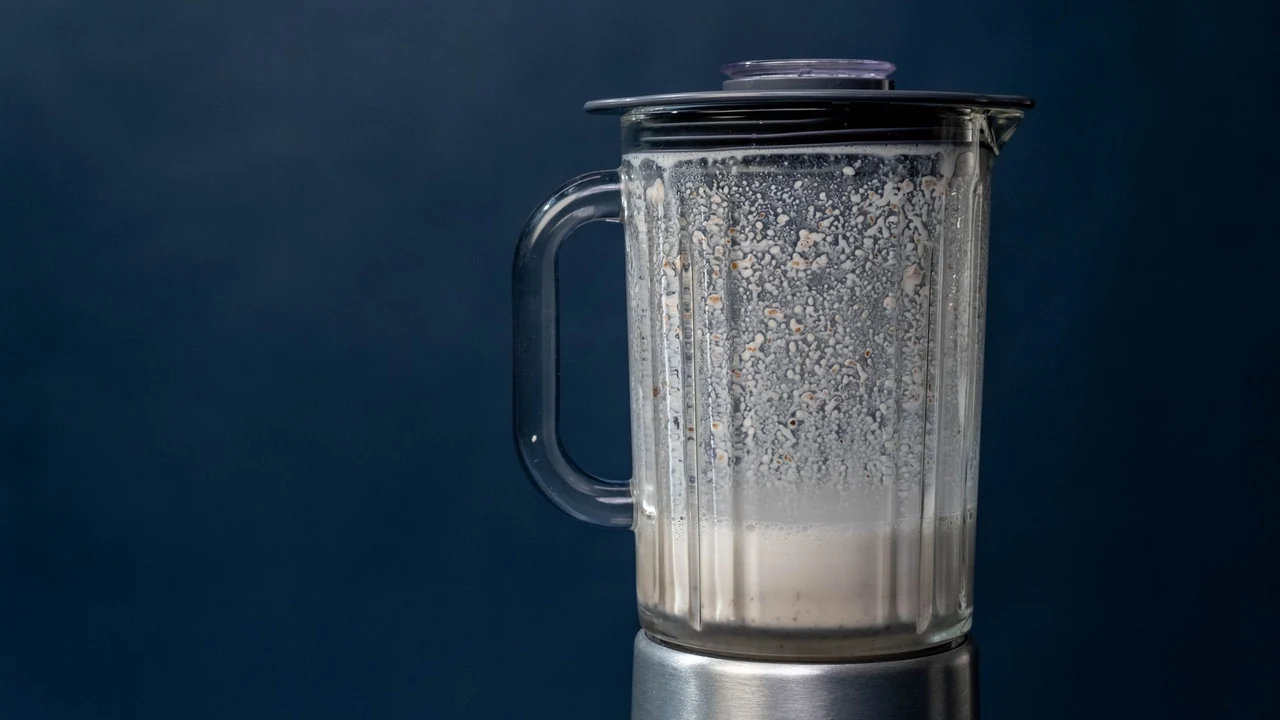
Illustrative licensed stock photograph. · Photo: cottonbro studio · pexels.com
View full size ↗Keep the ingredient list and nutrition label, then record how much powder and liquid you use. Include extras that are easy to forget: oats, nut butter, a fibre supplement, a second scoop or a premixed “greens” blend.
Note whether symptoms appear only with this drink or after ordinary meals too. Record timing and the type of discomfort rather than just calling everything “bloating.” Belching, abdominal fullness, visible swelling, diarrhoea and pain are different observations.
A short record over normal use is a way to describe a pattern, not a home diagnosis. Do not keep deliberately triggering significant symptoms just to make the experiment more convincing.
Check lactose without confusing it with allergy
Lactose is the sugar in milk. People who do not absorb enough of it can develop gas, bloating and other symptoms when bacteria break it down in the colon. The amount consumed matters. NIDDK explains lactose intolerance.
A whey shake mixed with ordinary milk may contain lactose from both components. Whey isolate often contains less lactose than concentrate, but the complete label and formulation still matter. “Whey” alone does not tell you the amount in a particular serving.
Milk-protein allergy is different. Lactose-free milk or a low-lactose whey product still contains milk proteins. Hives, swelling, wheezing or breathing difficulty after a drink are not a reason to trial another whey brand at home; urgent symptoms need urgent care.
Our whey isolate versus concentrate guide explains the product comparison without assuming that isolate solves every digestive symptom.
Look at the added ingredients and the volume
A powder with added fibre can change the fibre content of your day more than you expect. Some sweeteners and other carbohydrates are also relevant to gas symptoms in susceptible people. That does not make every thickener, sweetener or unfamiliar ingredient harmful.
The NIDDK gas guidance explains that swallowed air and the breakdown of incompletely digested carbohydrates can contribute to gas. Drinking very quickly may therefore be worth noticing alongside the recipe.
Do not remove half your diet because one shake was uncomfortable. A focused change produces more useful information than a long list of banned foods.
Use a one-change comparison

Illustrative licensed stock photograph. · Photo: Cup of Couple · pexels.com
View full size ↗This worksheet is for mild, familiar symptoms without warning signs. If symptoms are significant or persistent, get advice instead of repeatedly experimenting.
| Possible contributor | One change to discuss or try when appropriate | What to keep the same |
|---|---|---|
| Milk used as the liquid | Compare with water or a suitable lactose-free alternative | Powder and portion |
| An unusually large serving | Return to the label serving or a smaller comfortable portion | Other ingredients |
| Several added ingredients | Remove one optional extra | Remaining recipe |
| Fast drinking after exercise | Drink at a more comfortable pace | Ingredients and amount |
| Symptoms with many foods | Seek assessment rather than changing tubs again | Bring a food and symptom record |
Water is not nutritionally identical to milk, so remember that a change in liquid also changes the overall drink. See protein shakes with water or milk if you are comparing their role in a meal.
Decide whether you need the shake at all
Protein powder is a convenience food. If ordinary meals already cover your needs and the drink repeatedly makes you uncomfortable, there is no requirement to force it into your day.
You could use a familiar food that you tolerate instead, or ask a dietitian to help identify a genuine gap. A different protein source may be suitable, but “plant-based” is not a guarantee of comfort: portions, added ingredients and individual tolerance still count.
Avoid stacking digestive enzymes, probiotics and new powders before you know what you are trying to solve. More products create more moving parts.
Know when to stop troubleshooting alone
Persistent bloating, unexplained weight loss, blood in the stool, severe pain or symptoms that disrupt eating deserve medical advice. A shake may be the moment you notice a problem without being its complete cause.
Take the label and your short recipe record to the appointment. The useful result is a drink or meal you can comfortably use—or a clear reason to investigate further—not a more expensive tub with a longer promise on the front.
Instructions & useful references
- Symptoms & Causes of Lactose IntoleranceNIDDK · Lactose malabsorption, gas and bloating; distinction from milk allergy.
- Symptoms & Causes of Gas in the Digestive TractNIDDK · Swallowed air and microbial carbohydrate breakdown; symptoms requiring review.
Sources checked on October 1, 2026. This guide provides general information, with practical planning suggestions. It is not an individual treatment plan.