

What to Eat with Bali Belly: Food, Drinks and Recovery
Bali & IndonesiaPublished 6 min readlocal guide
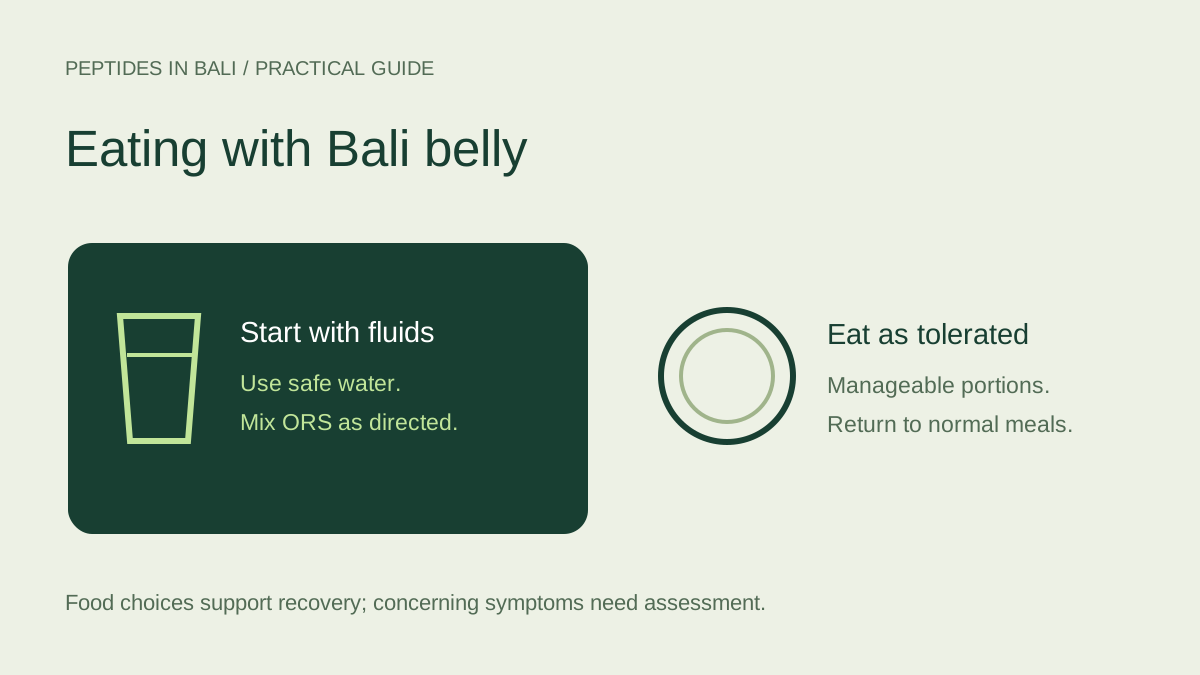
What to eat with Bali belly: manageable meals, safe drinks, ORS mixing and foods that may worsen symptoms, plus clear signs to get medical help.
Original explanatory illustration; not a patient result.
The short answer
Replace fluids and eat as tolerated; prolonged fasting or a rigid restricted diet is usually unnecessary. Use correctly prepared ORS for substantial fluid loss and get care for concerning symptoms.
Table of Contents
- What can you eat with Bali belly?
- A practical food and drink comparison
- Water, coconut water, sports drinks or ORS?
- A sensible first food order
- What should you avoid adding during an upset stomach?
- When should you get medical help?
- Returning to your usual Bali routine
- Sources
- Explore this topic
If you have Bali belly, start with fluids and eat as your appetite allows. You do not usually need to fast or stay on a rigid banana-and-rice diet. Choose manageable portions, use safe drinking water and limit foods or drinks that clearly worsen symptoms. Significant fluid loss may need an oral rehydration solution mixed exactly as its packet directs. [1] [2]
“Bali belly” is a travel nickname, not a diagnosis. It often refers to diarrhea or stomach upset during a trip, but the cause and severity vary. This guide covers practical food and drink choices for adults, with the signs that mean a meal plan is not enough.
What can you eat with Bali belly?
When you feel ready to eat, small portions of familiar food may be easier to manage than a large, rich meal. Options such as plain rice, toast, potatoes, a banana or a simple freshly cooked meal can be convenient. They are suggestions for tolerability, not a special diet that eliminates the cause of diarrhea.
NIDDK advises that most adults can return to their normal diet when they feel like eating. It does not recommend prolonged fasting or a broadly restricted diet for ordinary acute diarrhea. [1]
For a hotel or villa order, make the request concrete: a small portion, freshly cooked, with rich sauces or heavy seasoning served separately if those bother you. Choose food you can tolerate rather than trying to complete a normal restaurant-sized meal because it has arrived.
A practical food and drink comparison
| Option | How to think about it |
|---|---|
| Plain rice, toast or potatoes | Convenient foods to try when appetite returns; not a compulsory exclusive diet |
| A simple freshly cooked meal | A way to resume ordinary eating in a portion you can manage |
| Very fatty or fried meals | May aggravate symptoms and can be worth postponing |
| Large sugary drinks or juices | Large amounts of simple sugars may worsen diarrhea |
| Alcohol and caffeinated drinks | Can make symptoms worse; choose another drink while recovering |
| Milk or lactose-containing foods | Some people temporarily tolerate lactose less well after diarrhea |
The symptom-related cautions come from NIDDK's dietary guidance. Individual tolerance differs; the goal is to keep eating sensibly as you recover, rather than to remove more and more foods without a reason. [1]
Water, coconut water, sports drinks or ORS?
These drinks are not interchangeable in every situation. Mild illness and significant ongoing fluid loss create different needs. CDC's travel guidance prioritizes replacing fluids and electrolytes, using beverages known to be safe. Packaged oral rehydration salts are specifically useful when fluid loss is substantial. [2]
Use the exact amount of safe water printed on the ORS packet. Packet sizes differ; do not assume every sachet is designed for the same bottle. Adding less water to make it “stronger,” or extra powder to a sports drink, changes the intended mixture.
Coconut water can be a drink you enjoy, but do not assume it has the same composition as a properly prepared ORS. The same goes for a generic electrolyte powder sold for workouts. Our Bali electrolyte guide explains the difference between an exercise drink and oral rehydration during illness.
If nausea makes drinking difficult, smaller, frequent sips may be more manageable. If you cannot keep fluids down or show signs of dehydration, get medical help rather than continually changing the drink. [3]
A sensible first food order
You do not need a perfect menu. A workable order may contain a safe drink, one small freshly cooked dish and the option to eat more later. Ask for rich extras separately and keep the food choice simple enough that you know what you are trying.
If a friend is helping, give them a short list:
- Safe bottled or appropriately treated drinking water.
- Packaged oral rehydration salts if advised or needed for fluid loss, with the instructions retained.
- A small food portion you already find tolerable.
- A way to contact a local clinic if symptoms need assessment.
The list is about making the immediate situation easier. It is not a prescription or a substitute for care when symptoms are severe.
What should you avoid adding during an upset stomach?
This is a poor time to start several new powders or supplements and then try to work out which one caused a symptom. Keep a list of what you have already taken, including antidiarrheal medicines and any prescribed drugs.
Do not assume antibiotics are necessary for every episode. CDC bases their use on the illness and its severity. Antimotility medicines such as loperamide are not recommended as stand-alone treatment for diarrhea with blood or fever. Ask a clinician or pharmacist for advice that fits your symptoms rather than borrowing another traveller's course. [2]
If a regular medicine is difficult to take because you are vomiting or unable to eat, contact the prescriber or pharmacist about that medicine. Do not invent a replacement schedule from a general travel article.
When should you get medical help?
Seek prompt assessment for blood or black, tarry stool, severe abdominal pain, a high fever, repeated vomiting, very little urine, marked dizziness or other signs of dehydration. Adults should also seek advice when diarrhea persists beyond two days or is frequent and worsening. NIDDK identifies these as reasons for medical review rather than prolonged self-management. [4]
Pregnancy, older age, immune suppression and relevant medical conditions can lower the threshold for seeking help. Children need age-specific guidance; do not apply an adult food-and-drink plan to an infant.
Tell the clinician when symptoms started, how often you are passing stool, whether there is fever or blood, what you can drink and which medicines you have taken. Those details matter more than identifying the last restaurant with certainty.
Returning to your usual Bali routine
As appetite and tolerance improve, resume ordinary meals rather than maintaining a restricted diet for no reason. Reconsider a demanding workout, long excursion or alcohol-heavy evening while you are still losing fluid or feeling unwell.
For food safety during the rest of the trip, CDC advises careful choices around raw foods and drinking water. Food that is thoroughly cooked and served hot, and drinks known to be safe, can reduce exposure. Precautions reduce risk; they cannot make any trip completely risk-free. [5]
If your first days in Bali also involve poor sleep and travel fatigue, the jet-lag guide helps organize the rest of the day. Keep that routine separate from the decision about whether persistent stomach symptoms need a clinic.
Is the BRAT diet necessary?
No. A few bland foods can be convenient, but staying only on bananas, rice, applesauce and toast is not usually necessary. Return to a broader normal diet as tolerated. [1]
Can I prevent every episode by choosing carefully?
No. Some food-handling factors are outside a traveller's control. Use sensible precautions without assuming that illness proves you made one obvious mistake. [2]
Instructions & useful references
- Eating, diet and nutrition for diarrheaNIDDK · Resume normal diet as tolerated; fasting not normally advised; potential aggravating foods.
- Travelers diarrheaCDC Yellow Book · Fluid replacement, ORS preparation, severity-based medicine discussion and fever/blood cautions.
- Diarrhoea patient informationUniversity Hospital Southampton NHS · Frequent small sips and dehydration; no UK emergency numbers presented as Bali contacts.
- Symptoms and causes of diarrheaNIDDK · Adult duration, red flags, dehydration and higher-risk groups.
- Food and water precautions for travelersCDC Yellow Book · Safe water and cooked-food choices; precautions do not remove every risk.
Sources checked on September 18, 2026. This guide provides general information, with practical planning suggestions. It is not an individual treatment plan.