

GHK-Cu for Hair Growth: Scalp Serums, Eyebrow Research and Pen Formats
Everyday guidesPublished 4 min readcomparison
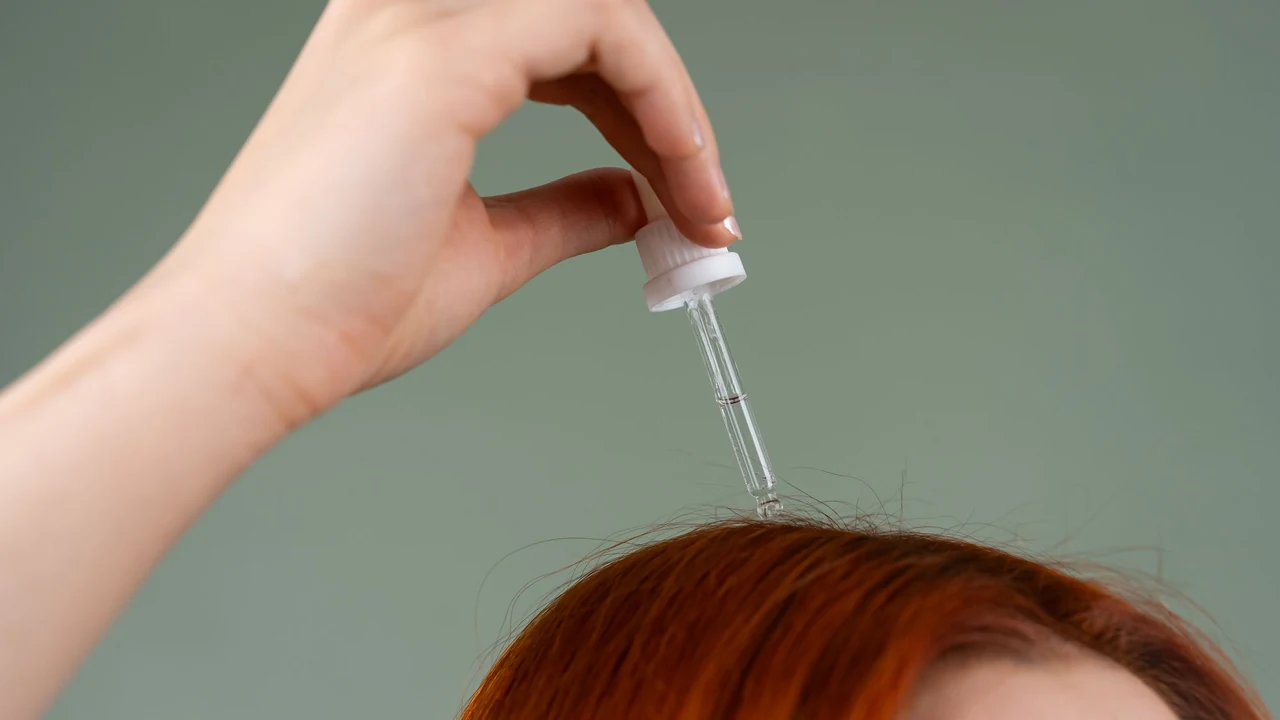
Sort GHK-Cu hair-growth claims by peptide, format and outcome: small eyebrow research, AHK-Cu experiments and scalp questions.
Illustrative licensed stock photograph. · Photo: Beyzanur K. · pexels.com
The short answer
A small topical eyebrow study does not establish scalp regrowth or the effects of a GHK-Cu pen. A frequently cited laboratory hair study used AHK-Cu, a different peptide.
Table of Contents
- Start with the hair concern
- The 2026 eyebrow study is a specific finding
- Check whether the cited experiment used AHK-Cu
- Compare a serum with a serum
- Make photographs comparable
- Where the catalog pen fits
- Sources
- Explore this topic
GHK-Cu hair-growth claims need three details attached: which copper peptide, which product format, and which hair outcome was measured. A scalp serum, an eyebrow serum and an injectable pen cannot be treated as the same intervention because they share an ingredient name.
There is a small recent human eyebrow study worth knowing about. There is also a frequently cited hair-follicle experiment involving AHK-Cu, a different peptide. Separating them gives a much more useful answer than saying copper peptides either work for everything or do nothing.
Start with the hair concern
Gradual patterned thinning, sudden shedding, a patch without hair and sparse eyebrows are different problems. Describe the location, timing and changes you have noticed. Include any recent illness, substantial weight change or new medicine when speaking to a clinician.
The American Academy of Dermatology distinguishes hair shedding from hair loss and recommends assessment when the cause is uncertain. AAD explanation. A cosmetic product comparison cannot determine the diagnosis from a photograph.
If the concern followed weight loss, our hair-shedding guide offers a way to organize the history before the appointment.
The 2026 eyebrow study is a specific finding
A randomized split-face study enrolled 18 healthy adults and compared a 2% topical GHK-Cu serum on one eyebrow with a vehicle on the other for 12 weeks. The authors reported improvements in eyebrow hair count and diameter. Original study abstract.
This is a small cosmetic study of a particular topical formulation and location. It does not establish treatment of scalp-pattern hair loss, identify an injection regimen, or show that a different formulation will produce the same result. A useful reading keeps the finding and those boundaries together.
Check whether the cited experiment used AHK-Cu
The 2007 paper often linked in copper-peptide discussions tested AHK-Cu in isolated human hair follicles and cultured dermal papilla cells. It was not a clinical trial of GHK-Cu pens in people with scalp hair loss. Original follicle experiment.
The names differ by one amino acid at the start of the peptide, but that does not make the evidence interchangeable. When an advert cites a study, open the title and methods and check the exact compound. This small check prevents a persuasive-looking reference from answering the wrong question.
Compare a serum with a serum
Illustrative licensed stock photograph. · Photo: Mirа Fialkova · pexels.com
View full size ↗For a topical product, look at the complete formula, intended application area, directions and tolerance. A percentage printed on a cosmetic is not directly comparable with the total milligrams listed on a pen. One describes a formulation in one context; the other describes the declared contents of a different product.
Avoid assuming that a product meant for one area can be used around the eyes. Follow the formulation's own instructions. If irritation develops, stop the new cosmetic and seek advice if symptoms persist or are significant.
The new-skincare testing guide explains how to introduce a cosmetic without changing the entire routine at once. It does not apply to injecting a product or testing it on broken skin.
Make photographs comparable
If a clinician or product review calls for photographs, use the same lighting, angle, hair parting and distance. Record whether the hair is wet, freshly washed, styled or covered with fibres. Those conditions can change appearance without demonstrating new growth.
Keep the original images and dates. Do not use filters or different crops to make the comparison more dramatic. A consistent image series is more useful than selecting the most flattering final frame.
Also record changes to other hair treatments. Starting several products together makes it difficult to attribute a later difference to one ingredient.
Where the catalog pen fits
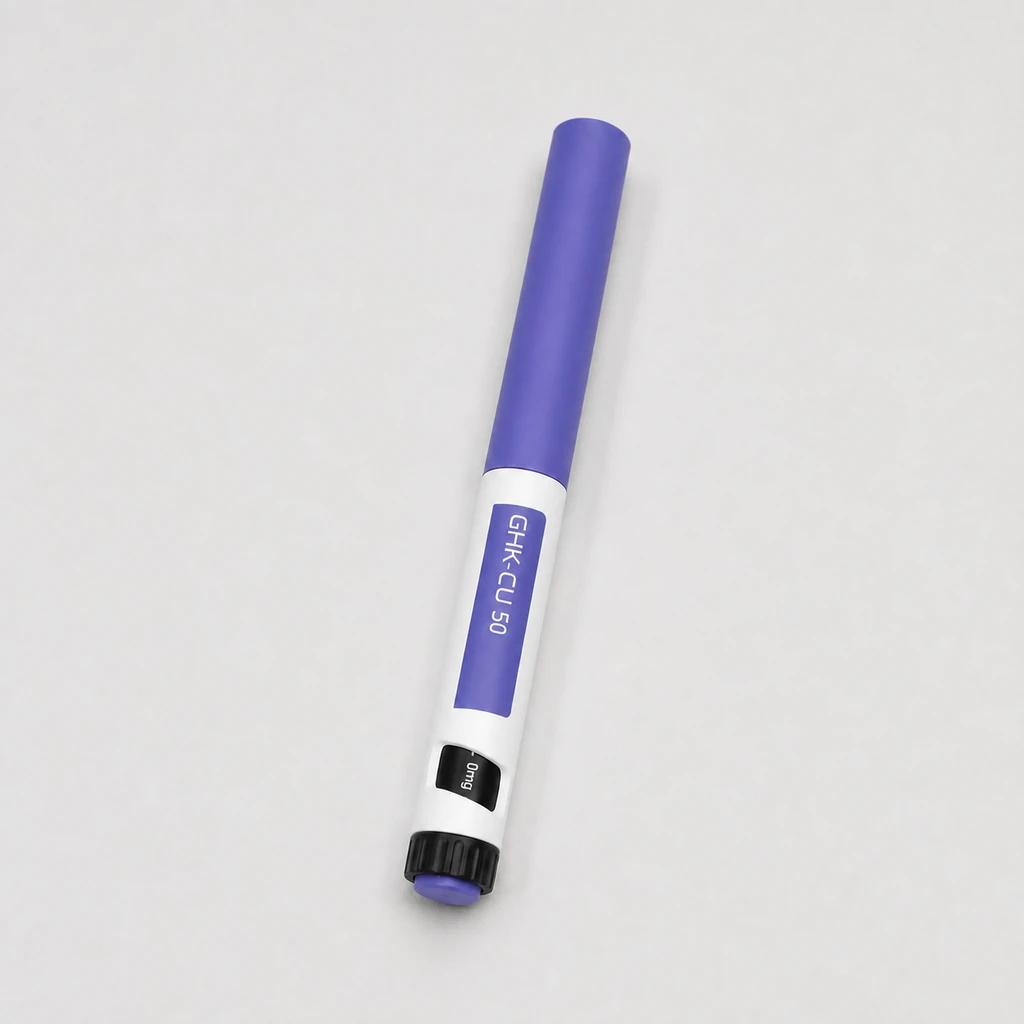
The GHK-Cu listing describes a 50 mg pen format. That is different from the topical serum in the eyebrow study. Use the listing to identify what is supplied and bring product-specific questions to an appropriate clinician; do not convert a topical study into instructions for another route.
A good buying decision begins with a clear concern and an accurately identified product. The research can then inform the conversation without promising scalp regrowth from a study that measured something else.
Instructions & useful references
- Hair shedding versus hair lossAmerican Academy of Dermatology · Different causes and time courses of shedding and hair loss; significant weight loss and stress can be relevant history.
- Topical GHK-Cu eyebrow serum studyPrimary Medical Research journal article · 2026 randomized split-eyebrow study: 18 adults, topical 2% GHK-Cu versus vehicle for 12 weeks; not a scalp or injected-pen trial.
- AHK-Cu and human hair folliclesOriginal laboratory study / PubMed · AHK-Cu, not GHK-Cu; isolated follicles ex vivo and dermal papilla cells in vitro; not a clinical trial of GHK-Cu pens.
Sources checked on October 9, 2026. This guide provides general information, with practical planning suggestions. It is not an individual treatment plan.