

Can You Have Ice in Bali? Ask About the Water, Not the Shape
Bali & IndonesiaPublished 5 min readhow to
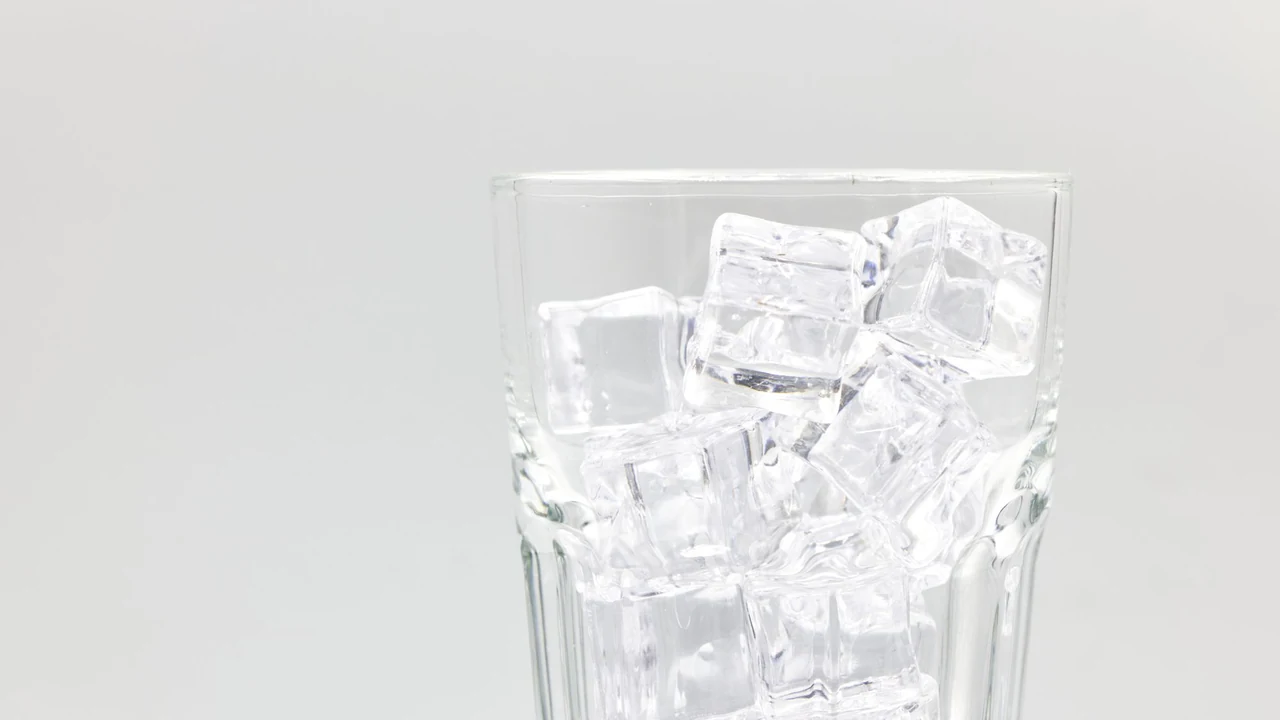
A hole through the cube, a familiar café or a clear-looking drink cannot verify ice safety. Start with water and handling.
Illustrative licensed stock photograph. · Photo: Srattha Nualsate · pexels.com
The short answer
Ice is a reasonable choice only when it is made from safe water and handled hygienically. You cannot verify that from the cube's shape or clarity. If the source is uncertain, choose a sealed drink without ice instead.
Table of Contents
- Why the cube-shape rule is unreliable
- Ask a specific question
- Look at the drink as a whole
- Useful observations, with limits
- At the villa or hotel
- Make the choice easy
- Sources
- Explore this topic
Ice in Bali is not automatically safe or automatically unsafe. What matters is the water used to make it and how the ice is stored and handled. You cannot confirm those things from a hole through the cube, its clarity or the price of the drink.
If you cannot get a credible answer about the source, ordering a sealed drink without ice is a straightforward alternative. It avoids turning every café stop into an investigation while keeping the uncertainty visible.
Why the cube-shape rule is unreliable
Travel advice often suggests that cylindrical ice, clear ice or ice with a hole must come from a safe commercial supplier. Shape tells you something about the machine or mould. It does not tell you whether the input water was safe or whether handling stayed hygienic afterwards.
Commercial production can be part of a sensible supply chain, but the word “commercial” alone is not a certificate for the drink in front of you. Ice can still be stored in an unclean container or handled with unsuitable utensils.
The CDC's food and water precautions for travellers focus on safe water and food handling, rather than a visual test for cubes. That is the more useful rule to carry from one venue to another.
Ask a specific question
“Is the ice safe?” tends to invite a quick yes. A more informative question is, “Is this ice made from drinking-safe water, and do you make it here or buy it from a supplier?”
You do not need a technical conversation or a photograph of a production plant. You are looking for staff who understand what you are asking and can describe their normal process. A vague answer does not prove danger, but it leaves the original uncertainty unresolved.
If staff do not know, avoid arguing or treating them as an inspection service. Choose an option that needs less information.
| What you know | What remains uncertain | Practical option |
|---|---|---|
| Ice is made with drinking-safe water | Storage and serving hygiene | Consider the whole handling process |
| Ice comes from a supplier | The supplier's water and transport process | Ask about the venue's routine |
| Cubes look clear or have holes | Almost everything relevant to water safety | Do not use appearance as proof |
| Staff cannot describe the source | Source and handling | Choose a sealed drink without ice |
Look at the drink as a whole
Removing ice does not make an otherwise uncertain drink safe. Fresh juice may include added water. A smoothie may include ice blended out of sight. Fruit, glasses and equipment also need suitable handling.
Ask about the finished drink if it contains several ingredients. “No ice” is useful only when ice was the uncertain part. A sealed bottle or can that you open yourself removes more questions than an unpackaged drink whose preparation you cannot clarify.
Likewise, alcohol should not be treated as a disinfectant for questionable ice or water. A cocktail's ingredients still need the same basic care.
Useful observations, with limits
Illustrative licensed stock photograph. · Photo: Marc Schulte · pexels.com
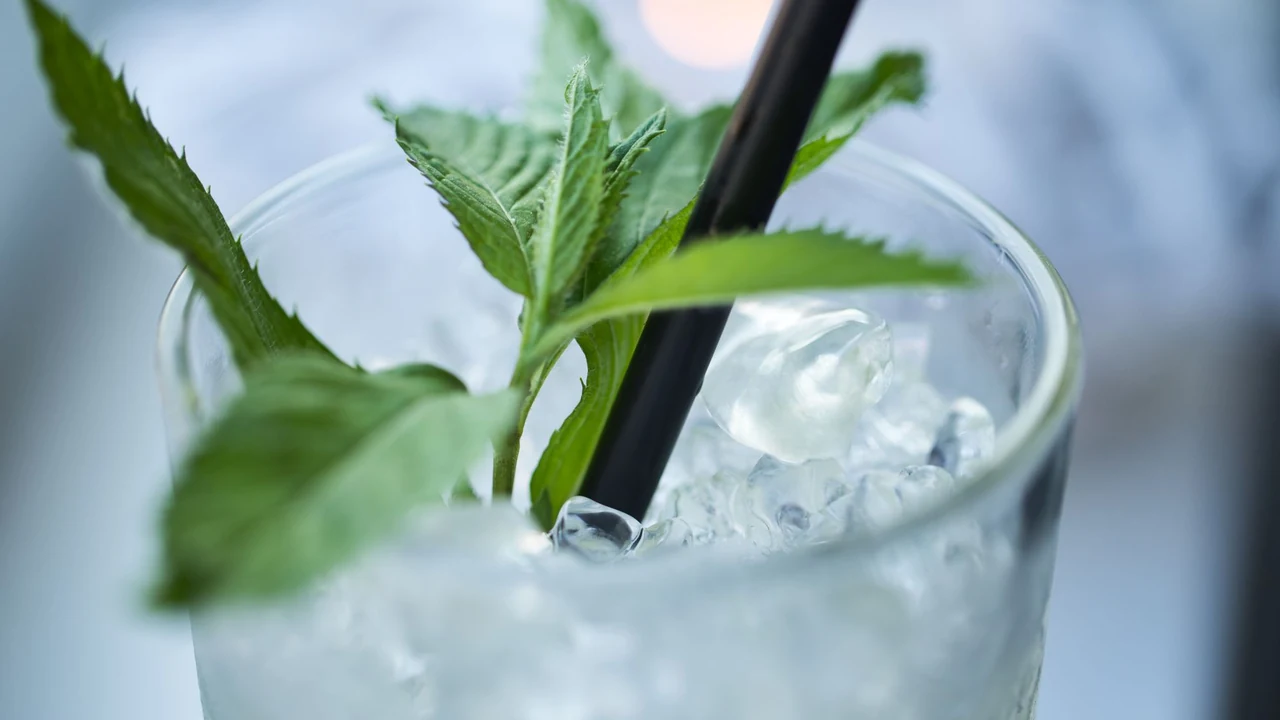
View full size ↗Clean utensils, a covered ice container and a dedicated scoop are sensible things to notice. Someone reaching into an ice bin with a glass or bare hands should make you reconsider. These observations can inform a choice, but you cannot visually inspect away all microbiological risk.
A busy venue may have fast turnover; a quiet venue may have excellent systems. Neither busyness nor a stylish interior settles the question. Avoid declaring individual venues safe or unsafe from a single feature.
When you find a venue that gives clear answers and handles drinks carefully, remember the process that reassured you. That is more transferable than remembering a particular cube shape.
At the villa or hotel
Check whether the freezer tray was filled with drinking-safe water. An ice maker connected to a water line is not automatically proof of purification. Ask the accommodation how that system is supplied and maintained.
If you make your own ice, start with safe drinking water, a clean tray and clean handling. Freezing is not a reliable method of making unsafe water safe. Keep that distinction separate from whether the freezer looks cold enough.
Our guide to tap water and brushing teeth in Bali covers another everyday water decision. It applies the same principle: identify the actual exposure rather than relying on a destination-wide slogan.
Make the choice easy
You can enjoy a cold drink without accepting an unclear ice source. Choose a sealed chilled drink, ask for no ice or use ice made from known safe water. These are ordinary travel decisions, not a guarantee against every stomach illness.
If you do become unwell, hydration and appropriate care matter more than trying to identify a guilty cube. See what to eat with Bali belly for a practical starting point. The better habit is to make clear choices about water and handling before the drink arrives.
Instructions & useful references
- Food and Water Precautions for TravelersCDC · Ice only from safe water; hot cooked food and peeled fruit; raw produce handling; no venue-level safety guarantee.
Sources checked on October 1, 2026. This guide provides general information, with practical planning suggestions. It is not an individual treatment plan.