

Can You Brush Your Teeth with Tap Water in Bali?
Bali & IndonesiaPublished 5 min readhow to
1:34 · English narration Continue reading the article ↓
Video chapters
Read the video transcript
Make a simple water plan for your hotel bathroom, refill bottle and cafe stops. A clear-looking tap or a filter label does not verify drinking-water safety.
In Bali, do not assume an unfamiliar bathroom tap supplies drinking water. If you cannot verify it, brush and rinse with unopened factory-sealed bottled water or properly treated drinking water. Set that water beside your toothbrush.
A hotel may provide treated drinking water, but the word filtered is not enough information. Ask which outlet is intended for drinking and how the system is maintained. A bathroom tap and a designated refill station may differ.
Think through three moments: bathroom, refill bottle and cafe. Use a reliable water source for each. Ice also needs a safe source; a clear cube or an expensive-looking venue does not verify how it was made.
Keep a small supply where you will need it, including a late arrival. Carry a clean bottle and avoid mixing an uncertain refill into known drinking water. The practical goal is to make the safer choice convenient.
Accidentally using a little tap water does not prove you will become ill. It also does not verify that source for future use. Return to a reliable water plan and seek appropriate care if concerning symptoms develop.
Ask your accommodation: which water can guests drink, and how is that source treated and maintained? If the answer remains unclear, use sealed bottled or appropriately treated water. The article includes a simple arrival checklist.
Download transcript · English captions · Footage and production credits
Illustrative Pexels footage, original explanatory graphics and music, with synthetic English narration. People shown do not endorse products.
Make a simple water plan for your hotel bathroom, refill bottle and cafe stops. A clear-looking tap or a filter label does not verify drinking-water safety.
The short answer
When you cannot verify that a tap supplies safe drinking water, use unopened factory-sealed bottled water or properly treated drinking water to brush your teeth in Bali. Apply the same water-safety check to rinsing, drinks and ice. The safety of a particular hotel tap needs evidence from that property, not a general travel anecdote.
Table of Contents
- Brushing counts as a water-safety decision
- What to ask your hotel or villa
- Make a three-part water plan
- Does boiling or filtering solve every problem?
- What if you already brushed with tap water?
- Do not transfer this advice to contact lenses
- A quick arrival checklist
- Sources
- Explore this topic
You arrive late, put your toothbrush by the sink and turn on the tap without thinking. It is an ordinary routine, which is exactly why it helps to make the water decision before you need it.
If you cannot verify that a particular tap supplies safe drinking water, use unopened factory-sealed bottled water or appropriately treated drinking water for brushing and rinsing. That is a practical approach for an unfamiliar hotel, villa or guesthouse in Bali. A general article cannot certify the water system at your accommodation.
Brushing counts as a water-safety decision
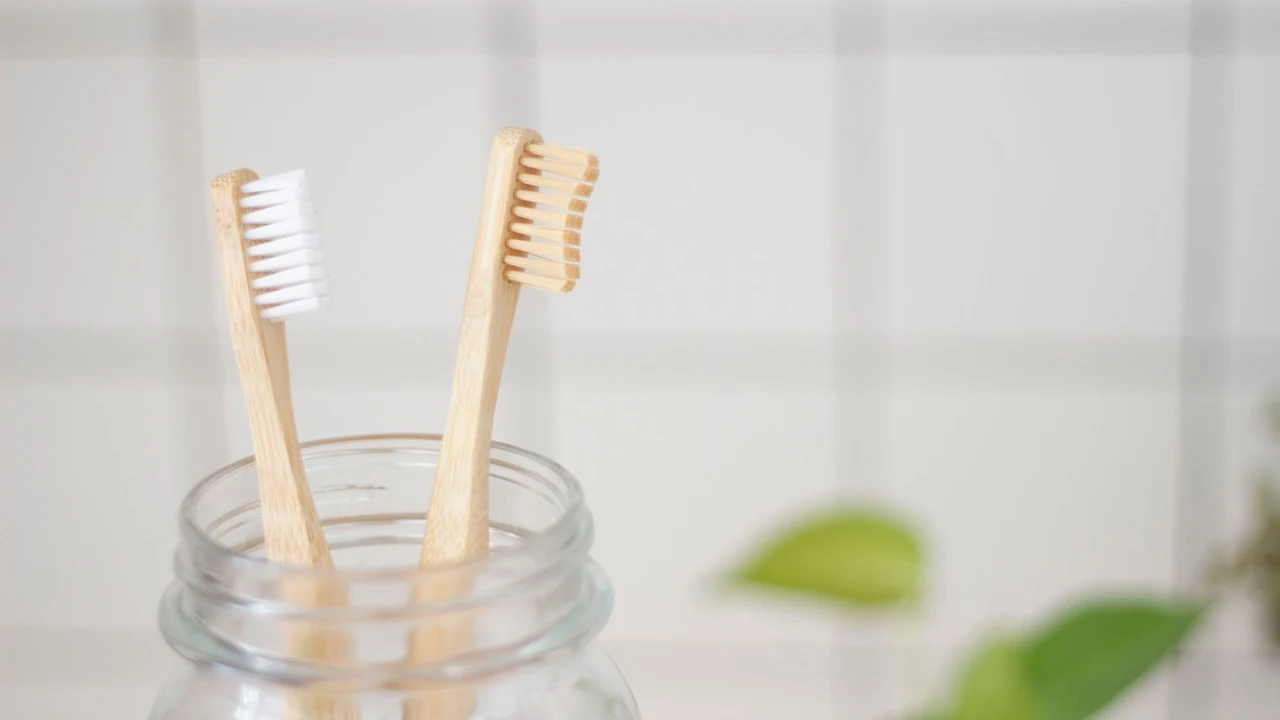
Illustrative licensed stock photograph. · Photo: Cristina De Luis · pexels.com
View full size ↗CDC travel guidance includes brushing teeth among the activities that should use safe water where tap-water quality may be uncertain. The recommendation is not limited to drinking a full glass.
That means planning for the water you use to wet the brush and rinse your mouth too. Put an appropriate supply beside the sink. If it stays in a suitcase or in another room, an automatic reach for the tap becomes much easier.
This does not require treating every sink in Bali as an identical water source. A property may have a specifically treated drinking-water outlet. The useful question is whether that is the outlet in front of you and what supports the property's claim.
What to ask your hotel or villa
“Is the water filtered?” can produce an answer that still leaves the important point unresolved. A filter may be installed for a particular purpose; its name alone does not describe the whole water-treatment and maintenance process.
Ask a few precise questions:
| Ask | Why the answer matters |
|---|---|
| Which outlet or dispenser is intended for drinking water? | It may differ from the bathroom tap |
| What treatment is used for that supply? | “Filtered” is not a complete explanation |
| How is the system maintained and its water quality checked? | A device's presence is not evidence of its current operation |
| Is there an alternative if that supply is unavailable? | You need a workable backup |
You do not need to become a water engineer. If the staff cannot give a clear answer, use a reliable alternative instead of trying to infer safety from the building's price, appearance or online reviews.
A sign at a designated refill point is more relevant than a generic reassurance about the property, but still pay attention to what the sign actually says. Do not assume that permission to drink from one outlet applies to every tap.
Make a three-part water plan
Think about the bathroom, the bottle you carry and the drinks you order. A reliable choice in only one of those places leaves the rest of the day to chance.
Bathroom: keep enough drinking water near the toothbrush for the evening and morning routine. Replenish it before it runs out.
Refill bottle: use a source you have checked, and keep the container clean. Do not top up reliable water with an uncertain supply and then treat the mixed contents as verified. Our reusable-bottle cleaning guide covers the separate container-hygiene question.
Cafe or restaurant: consider the source of water used in a drink and its ice. CDC cautions about ice when the water used to make it may be unsafe. An ice cube's appearance cannot establish its source.
This is an organising checklist, not a guarantee against travellers' diarrhoea. Food handling and other exposures also matter.
Does boiling or filtering solve every problem?
Illustrative licensed stock photograph. · Photo: Towfiqu barbhuiya · pexels.com
View full size ↗Water-treatment methods have different capabilities and requirements. Follow an authoritative method and the equipment's directions rather than assuming any travel filter or a briefly warmed kettle makes any water suitable.
CDC's water-disinfection guidance explains options and limitations, and identifies factory-sealed bottled water as the safest choice for most travellers. Treatment intended to address microbes is not a universal solution for chemical contamination.
If you want to use a refill system throughout a longer stay, clarify its treatment and maintenance at the beginning. For a short visit, a dependable supply you can actually follow may be more useful than a complicated method you are unlikely to use correctly.
What if you already brushed with tap water?
A single exposure does not tell you whether illness will follow. Do not treat “I did it yesterday and felt fine” as proof that the source is safe, or an accidental use as proof that you are going to become sick.
Return to a reliable water plan. If symptoms develop, respond to their severity and duration rather than trying to predict the outcome from the amount of water you think you swallowed. Our Bali-belly food guide includes practical illness-related advice and reasons to seek medical help.
This article does not recommend taking medicines pre-emptively after an uncertain water exposure. Ask a qualified clinician when you need individual advice.
Do not transfer this advice to contact lenses
Water suitable for drinking is not the same as sterile contact-lens care fluid. Do not rinse or store lenses in tap water, bottled water or a homemade substitute. The separate contact-lens and swimming guide covers that different eye-safety problem.
Keeping these uses distinct is important: “safe water” is not one label that clears every task involving your body.
A quick arrival checklist
Before the first evening, identify the drinking-water supply, put a small amount beside the sink and keep a backup for overnight or an early departure. Confirm where you will refill your bottle and whether the bathroom tap is part of the same system.
Then make the routine easy to remember: toothbrush beside drinking water, clean bottle ready for the next day, and a clear answer about refills. A practical arrangement removes the need to reconsider the whole question every time you brush.
Instructions & useful references
- Food and Water Precautions for TravelersCDC Yellow Book · Safe water for drinking, food, ice and brushing in settings with unsafe supplies; no site-specific Bali certification.
- Water DisinfectionCDC Travelers' Health · Factory-sealed water and treatment-method limits; drinking water is not contact-lens solution.
Sources checked on September 28, 2026. This guide provides general information, with practical planning suggestions. It is not an individual treatment plan.