


Strength Training in a Calorie Deficit: What to Keep and Adjust
Everyday guidesPublished 5 min readhow to
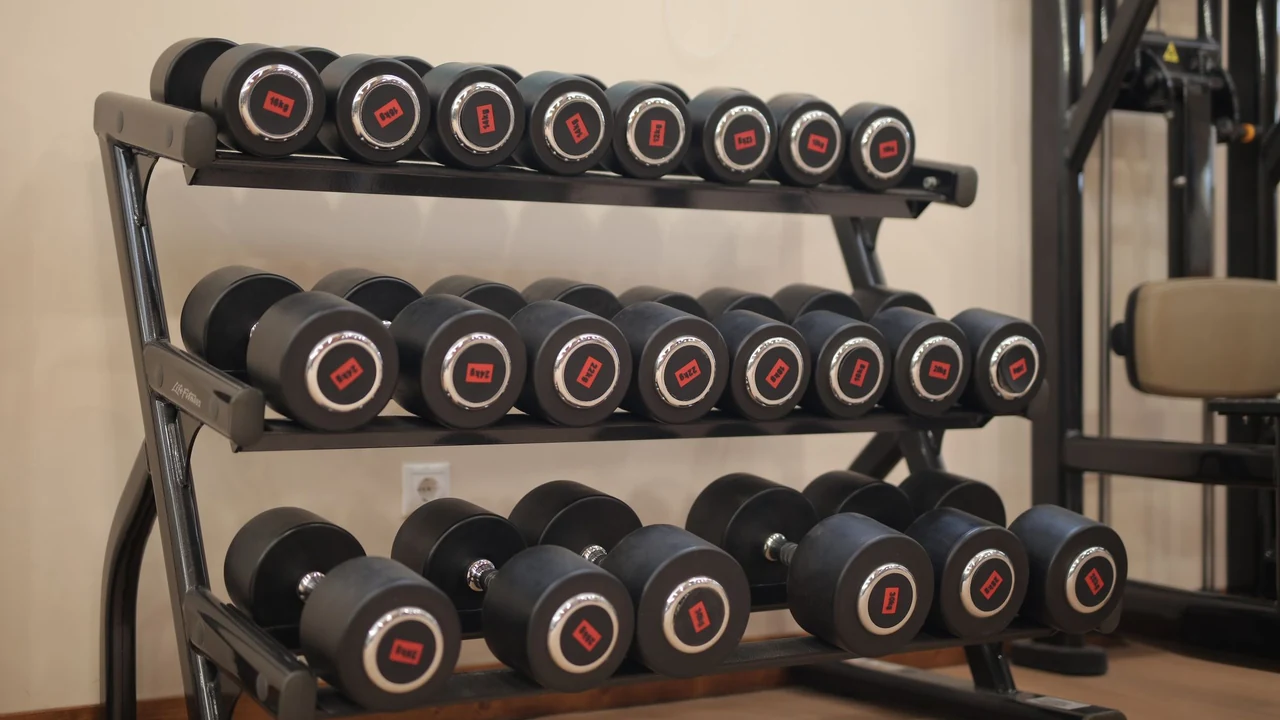
Keep strength training useful during weight loss. Review loads, weekly work, food and recovery with a clear log instead of chasing exhaustion at every session.
Illustrative licensed stock photograph. · Photo: Andrea Piacquadio · pexels.com
The short answer
Keep a repeatable resistance-training routine and monitor performance, effort and recovery. If the plan becomes difficult to recover from, review optional work, food intake and sleep before changing several variables at once. Group research does not guarantee that an individual will maintain all muscle or strength.
Table of Contents
- Decide what you are trying to preserve
- Keep effort useful without making failure compulsory
- Change one training variable at a time
- Support the sessions you want to keep
- Read trends, not one weigh-in or one workout
- Build next week from evidence you can actually collect
- Sources
- Explore this topic
Strength training in a calorie deficit should still look like strength training. Keep a repeatable routine, record performance and adjust the amount of work when recovery becomes difficult. Turning every session into a sweaty calorie-burning circuit makes it harder to judge whether your muscles are receiving a consistent training stimulus.
The goal need not be a personal best every week. During weight loss, maintaining useful performance can be a worthwhile outcome. A meta-analysis of resistance training during energy restriction found that lean-mass gains were reduced compared with training without an energy deficit, while strength gains did not differ significantly. That is a group finding, not a guarantee that an individual will keep every kilogram of muscle or every repetition.
Decide what you are trying to preserve
Choose a small set of familiar movements that cover your main training goals. Record the exercise, load, repetitions and how many good repetitions you think remained. Keep the technique and range of motion comparable between sessions.
For example, “goblet squat, the same dumbbell, three controlled sets” is useful only if depth and effort are reasonably consistent. Replacing it every week with a different machine, tempo or circuit can hide both progress and fatigue. You can still change an exercise for comfort or available equipment; mark the change in the log instead of treating the numbers as directly interchangeable.
Our guide to progressive overload without adding weight explains several ways to track improvement. In a deficit, use those options selectively rather than trying to progress every variable simultaneously.
Keep effort useful without making failure compulsory
The 2026 ACSM resistance-training position stand supports progressive resistance training for healthy adults and finds that training to momentary failure is not consistently necessary for better outcomes. It also distinguishes prescriptions for strength from those aimed at muscle growth. A tiring session is not automatically the most productive one.
For routine monitoring, note whether your last repetitions stayed controlled and whether the same load suddenly feels much harder. If you are unsure what an effort estimate means, start with repetitions in reserve. The estimate is a communication tool, not a laboratory measurement.
Avoid using a calorie deficit as a reason to repeatedly test maximum lifts. Your log can tell you more from a familiar, manageable session than from an all-out attempt with changing sleep, food and equipment.
Change one training variable at a time
Suppose your usual week contains two full-body sessions and an optional accessory session. If the first two remain comfortable but the third repeatedly leaves you exhausted, the optional session is an obvious place to review. You do not need to abandon the entire routine because one part no longer fits.
| What you notice | A practical review question |
|---|---|
| One poor session after travel | Was this a temporary disruption rather than a trend? |
| Later sets deteriorate repeatedly | Could fewer accessory sets preserve better-quality work? |
| Every exercise feels harder for several sessions | Are food intake, sleep, illness or the size of the deficit contributing? |
| Sharp pain or unusual symptoms | Should the exercise stop and the symptom be assessed? |
These are coaching prompts, not a validated diagnostic test. Discuss persistent changes with a qualified trainer or clinician as appropriate. The point is to make an adjustment that you can observe, rather than cutting food, adding cardio and changing the lifting programme on the same day.
Support the sessions you want to keep

Illustrative licensed stock photograph. · Photo: Karen Irala · pexels.com
View full size ↗Look at ordinary meals before buying another supplement. Are you regularly missing lunch, finishing an evening workout without eating, or relying on a shake that you cannot tolerate? A training plan cannot compensate for a food routine that is consistently impractical.
A systematic review of protein intake during energy restriction and resistance training found benefits for lean mass from protein above the adult recommended dietary allowance under those conditions. It does not give every reader the same supplement prescription. Use the daily protein guide to understand food planning and discuss individual requirements when you have medical considerations.
If appetite is reduced by treatment, tell the prescriber when eating enough becomes difficult. Avoid celebrating persistent weakness, inability to eat or rapid unwanted decline as evidence that a weight-loss plan is “working.”
Read trends, not one weigh-in or one workout
A holiday week in Bali can alter your schedule, sleep and training environment at once. Note those changes alongside performance. A different gym machine may use different leverage and weight markings; comparing its stack directly with your home machine produces a misleading result.
Review a consistent stretch of sessions before making a routine change, unless pain or illness requires earlier action. Look at more than one exercise and include how you feel between workouts. Stable numbers with miserable recovery still deserve attention. Conversely, one lower number does not establish muscle loss.
For the broader distinction between scale weight, fat and lean tissue, see body recomposition. A bathroom scale cannot explain which tissue changed after a single day.
Build next week from evidence you can actually collect
Keep the familiar exercises that you can perform well. Decide in advance which optional work you will reduce if recovery is poor. Record your food and sleep obstacles alongside the training numbers, then address the obstacle that occurs most often.
This creates a routine you can assess with a coach: what you performed, how demanding it felt and what happened afterward. The useful question is whether the plan remains repeatable while weight changes, not whether you can make every session feel harder than the last.
Instructions & useful references
- Energy deficiency impairs resistance training gains in lean mass but not strength: A meta-analysis and meta-regressionScandinavian Journal of Medicine & Science in Sports · Resistance training with versus without energy deficit; lean-mass and strength outcomes. Group findings, not individual guarantee.
- Resistance Training Prescription for Muscle Function, Hypertrophy, and Physical Performance in Healthy AdultsAmerican College of Sports Medicine · 2026 overview of reviews in healthy adults; progressive training, weekly volume and no consistent necessity for momentary failure.
- Protein Intake Greater than the RDA Differentially Influences Whole-Body Lean Mass Responses to Purposeful Catabolic and Anabolic StressorsAdvances in Nutrition · Protein above the RDA during energy restriction and resistance training; lean-mass outcomes, not a universal dose.
Sources checked on October 4, 2026. This guide provides general information, with practical planning suggestions. It is not an individual treatment plan.