

How Many Sets per Muscle per Week? A Useful Way to Count
Everyday guidesPublished 5 min readhow to
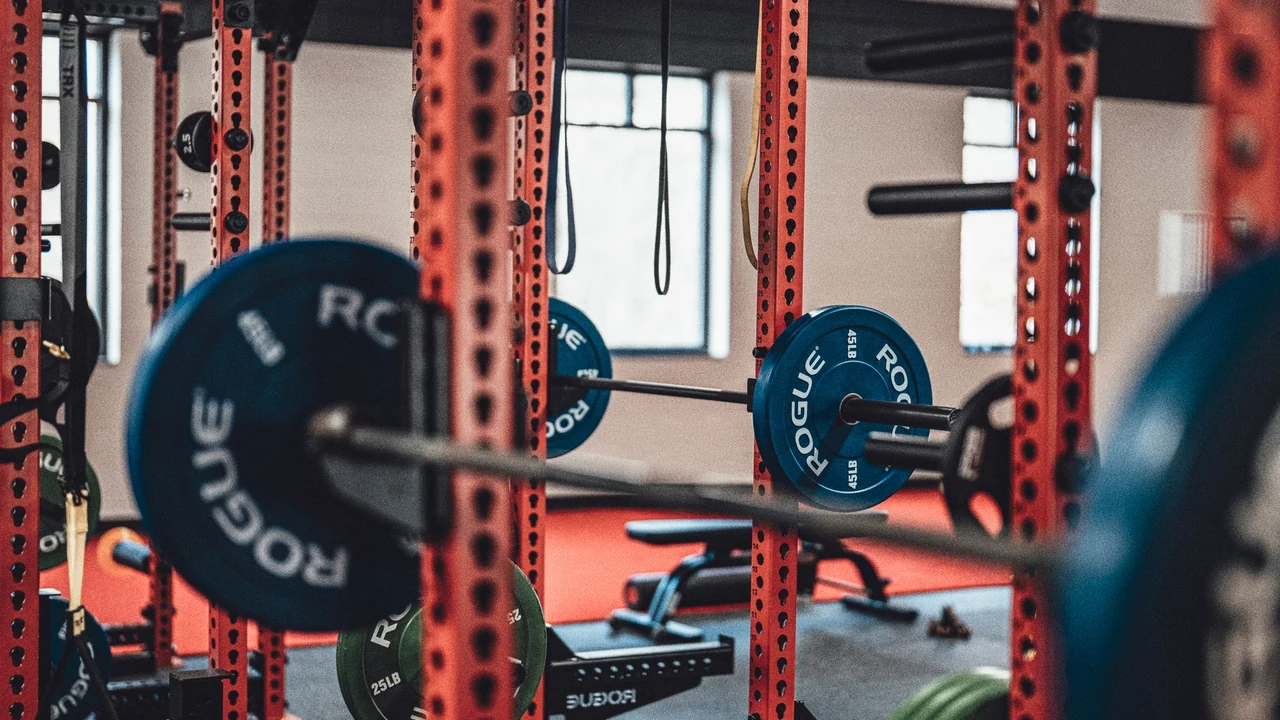
Count weekly working sets without confusing warm-ups and assisting muscles. Use a clear example to track completed training and adjust volume sensibly.
Illustrative licensed stock photograph. · Photo: Jason Morrison · pexels.com
The short answer
Count completed working sets consistently, keep warm-ups separate and note assisting-muscle exposure rather than assigning every compound set full credit everywhere. Research supports higher volumes for hypertrophy, but an individual's starting point and adjustments depend on training history, effort, performance and recovery.
Table of Contents
- Define a working set before counting it
- Keep direct and assisting work visible
- Add the week before adding more exercises
- Spread work where it remains manageable
- Change the total for a reason
- Keep the log simple enough to maintain
- Sources
- Explore this topic
Weekly sets are a useful way to describe resistance-training volume, but only if you count them consistently. Start with the working sets you actually complete, distinguish the main muscle being trained from muscles that assist, and keep warm-ups in a separate column. An impressive total is not useful if it combines unlike work.
For muscle growth, the 2026 ACSM position stand found better results with higher weekly volumes, including ten or more sets per muscle group. This is a summary of research in healthy adults, not a requirement that everyone immediately perform ten sets or a guarantee that twenty will outperform ten for a particular person.
Define a working set before counting it
For your log, use “working set” to mean a planned training set performed with the intended technique and effort, after your preparation sets. This is an accounting convention, not a claim that warm-ups have no physiological effect.
Imagine a squat session with three progressively heavier warm-up sets followed by three planned work sets. Record three work sets, with the warm-ups noted separately. Otherwise, changing the length of your warm-up would appear to change your muscle-building programme even when the main work stayed the same.
Effort matters to interpretation. Three very easy sets and three challenging sets are not automatically equivalent stimuli. Add an effort note using the repetitions-in-reserve guide so the count retains some context.
Keep direct and assisting work visible
Compound lifts involve several muscles. A row trains the back while the elbow flexors assist; a press involves the chest, shoulders and triceps to different degrees depending on the exercise. There is no need to pretend each assisting muscle receives an identical full set of isolated work.
Use two columns: primary work and assisting exposure. If a coach uses a fractional-counting system, use the same system consistently and label it. Do not switch between full, half and zero credit whenever you want the weekly total to look better.
| Example exercise | Primary entry in a simple log | Additional exposure to note |
|---|---|---|
| Chest press | Chest working sets | Triceps and anterior shoulder involvement |
| Row | Back working sets | Elbow-flexor involvement |
| Biceps curl | Biceps working sets | Do not add another full “arm” total afterward |
| Lateral raise | Lateral shoulder working sets | Record technique and effort consistently |
This is an illustrative bookkeeping method, not an anatomical measurement. Exercise selection, technique and individual proportions all limit the precision of a set count.
Add the week before adding more exercises
Suppose Monday includes three chest-press work sets and Thursday includes three more. That is six primary chest sets. If Thursday also includes two sets of a chest fly, your primary total becomes eight. Warm-ups stay separate, and triceps work is listed in its own record.
Now compare that with a week in which you planned eight sets but completed only five. Use five in the completed column. A programme on a notes app does not create training volume by itself. Recording both planned and completed work makes missed sessions visible without turning them into a moral judgement.
The same principle helps during travel. If a hotel gym lacks your usual machine, record the substitute instead of quietly assigning it an identical training effect. Our machines versus free weights guide can help you think through practical substitutions.
Spread work where it remains manageable
Illustrative licensed stock photograph. · Photo: Brett Jordan · pexels.com
View full size ↗ACSM's 2026 guidance summary emphasises regular training and working the major muscle groups. A weekly number still needs a schedule that you can follow. Placing every set for a muscle into one rushed session is not the only way to reach the total.
For example, splitting eight planned sets across two sessions may be easier to organise than adding them all at the end of a long workout. That is a scheduling example, not a claim that this split is uniquely effective. Compare the quality of the later sets, the time available and your recovery before deciding.
If the schedule itself is the problem, read full-body versus upper/lower training. Keep the question of programme layout separate from the arithmetic of weekly work.
Change the total for a reason
Before adding sets, ask whether you are completing the current routine, using consistent technique and allowing adequate rest. A rushed session with shorter rests can feel harder even though the weekly count is unchanged. The rest-between-sets guide covers that separate variable.
Make one small, observable change rather than adding exercises for every muscle at once. Record what happens to performance and recovery over the following sessions. Persistent pain, unusual exhaustion or worsening function needs attention; it is not proof that the programme is sufficiently demanding.
Use a trainer's help when you cannot identify what an exercise is meant to train or how to perform it comfortably. Counting cannot rescue an exercise that is unsuitable for you.
Keep the log simple enough to maintain
A useful weekly record has the exercise, work sets, repetitions, load, effort and any important change in technique or equipment. Summarise primary muscle groups afterward. You do not need a complex spreadsheet before your first session.
The purpose of counting is to support decisions: whether you completed enough repeatable work to assess the plan, and whether a change is worth trying. Consistent records are more useful than claiming a perfectly precise muscle-by-muscle total that the exercises cannot actually provide.
Instructions & useful references
- Resistance Training Prescription for Muscle Function, Hypertrophy, and Physical Performance in Healthy AdultsAmerican College of Sports Medicine · 2026 overview of reviews in healthy adults; progressive training, weekly volume and no consistent necessity for momentary failure.
Sources checked on October 4, 2026. This guide provides general information, with practical planning suggestions. It is not an individual treatment plan.