

Sauna Before or After a Workout? Plan Around Heat and Recovery
Everyday guidesPublished 4 min readhow to
1:35 · English narration Continue reading the article ↓
Video chapters
Read the video transcript
A sauna adds heat stress; it is not the same as warming up. Keep the main session, hydration and how you feel at the centre of the decision.
If you combine sauna and exercise, placing sauna after training or in a separate session avoids extra heat before the main task. That is a practical arrangement, not proof of a universal timing advantage for every person.
Sitting in heat does not rehearse your exercises or gradually introduce the effort you will use. Keep a movement-based warm-up before training. Feeling warm and being prepared for the actual workout are different things.
A small infrared-sauna trial found benefits for selected recovery outcomes after exercise. It did not compare every before-and-after routine or prove the same effects for all saunas. The protocol and outcome matter when interpreting the finding.
Cool down and notice how you feel before deciding to enter. Skip sauna when unwell or already overheated. Consider fluids appropriately, and do not force a drinking challenge or an endurance contest to complete a planned ritual.
Follow facility directions and individual medical advice. Avoid sauna around alcohol and leave if you feel unwell. If health conditions or medicines affect heat tolerance, ask a clinician whether it fits your situation before experimenting.
Sauna does not replace food, sleep or a sensible training plan. A scale drop from sweating is not proof of fat loss. Use sauna if it fits comfortably, and leave it out when it makes the day harder.
Download transcript · English captions · Footage and production credits
Illustrative Pexels footage, original explanatory graphics and music, with synthetic English narration. People shown do not endorse products.
A sauna adds heat stress; it is not the same as warming up. Keep the main session, hydration and how you feel at the centre of the decision.
The short answer
If you combine sauna and exercise, placing the sauna after the workout or in a separate session avoids adding heat exposure before the main training task. That is a practical choice, not proof that post-workout sauna is best for everyone. Cool down, reassess and skip it if unwell; sauna is optional and does not replace a warm-up.
Table of Contents
- Feeling warm is not the same as warming up
- Sauna adds another demand
- What a recovery trial actually tested
- Build in a reassessment after training
- Use the facility's directions, without endurance contests
- Keep sauna separate from weight-loss accounting
- A practical order for the day
- Sources
- Explore this topic
If you want both a workout and a sauna, keep the workout first or put the sauna in a separate session. This avoids adding heat exposure before the main training task. It is a practical way to organise the day, not evidence that post-workout sauna is universally superior.
Sauna is optional. A good training session does not become incomplete because you shower and leave, and sitting in heat is not a replacement for a movement-based warm-up.
Feeling warm is not the same as warming up

Illustrative licensed stock photograph. · Photo: Andrea Davis · pexels.com
View full size ↗A warm-up prepares you for the movements and effort you are about to perform. Sitting in a hot room may make you feel warm, but it does not rehearse a squat, gradually introduce running pace or help you assess an exercise's load.
Use a suitable warm-up before the workout. Our guide to warming up for strength training explains that process.
Do not use sauna time to replace the warm-up and then jump straight into heavy working sets. The two activities have different purposes even if both change how warm you feel.
Sauna adds another demand
Heat exposure changes the session rather than simply cancelling fatigue. Sweating and feeling relaxed afterwards are not proof that you accelerated every part of recovery.
Consider the conditions you have already experienced. A hard outdoor workout in Bali's humidity followed by more heat is a different proposition from a comfortable indoor session on a cool day.
Harvard Health's sauna guidance advises avoiding sauna when ill or around alcohol, leaving if you feel unwell and seeking individual advice for relevant heart or blood-pressure concerns. General advice cannot clear every person for heat exposure.
What a recovery trial actually tested
A small trial in sixteen male basketball players tested a specific infrared sauna protocol after exercise. It reported improvements in selected recovery outcomes.
That study did not compare every possible sauna-before-workout routine with every sauna-after-workout routine. Infrared settings, exposure, participants and measured outcomes limit how widely the result can be applied.
Do not turn one favourable recovery finding into a promise of better muscle growth, a guaranteed next-day performance boost or proof that a traditional hot sauna will produce the same effect.
| Claim | Useful limitation |
|---|---|
| “Sauna improves recovery” | Which protocol, people and outcome? |
| “After is always better than before” | Was that timing comparison actually tested? |
| “Sweating means fat loss” | Short-term water loss is not the same outcome |
| “I feel relaxed” | A useful experience, but not a measure of every recovery process |
Build in a reassessment after training
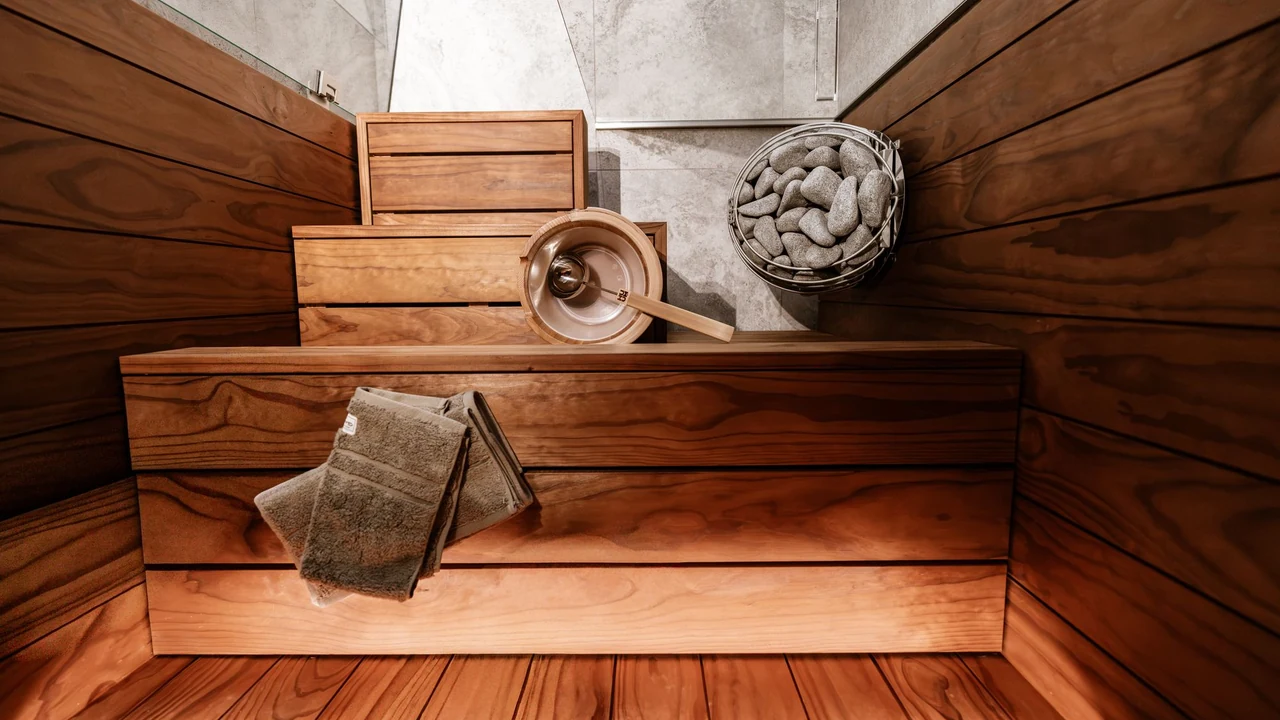
Illustrative licensed stock photograph. · Photo: HUUM │sauna heaters · pexels.com
View full size ↗Finish the workout, cool down and check how you feel before deciding whether to enter. Do not treat the sauna booking as a commitment you must complete despite dizziness, nausea or unusual fatigue.
Drink appropriately and consider what you have lost through sweating. The CDC's heat guidance discusses fluids in context and warns that forcing excessive water can also be harmful. A rigid drinking challenge is not a sensible companion to a sauna challenge.
If the workout has already left you feeling overheated or unwell, skip the sauna. Rest, cooling and appropriate care take priority over completing a recovery ritual.
Use the facility's directions, without endurance contests
Different saunas have different conditions. Follow the facility's operating guidance and any medical advice that applies to you. Begin conservatively if the experience is unfamiliar.
Leave if you feel unwell. Do not compete with another person's duration or use discomfort as proof that you are obtaining more benefit.
If you take medicines or have a condition that affects heat tolerance, fluid balance or cardiovascular responses, ask a clinician whether sauna is appropriate. You do not need to list those private details to other gym members to justify leaving early.
Keep sauna separate from weight-loss accounting
A lower scale reading after sweating largely reflects short-term fluid change, not proof of fat loss. Do not plan a sauna to hit a body-weight number.
Our guide to whether sweating burns fat explains the difference. Replacing lost fluid is not undoing a workout; it is responding to a different kind of change.
A practical order for the day
Plan the workout, its warm-up, food and ordinary recovery first. If you still want sauna, place it afterwards with time to cool down and reassess, or choose a separate occasion.
Judge the addition by comfort, enjoyment and how it fits your routine. If it makes the session rushed, leaves you feeling worse or becomes another obligation, leave it out. Sauna can be an optional part of the day without becoming the centre of the training plan.
Instructions & useful references
- A post-exercise infrared sauna session improves recovery of neuromuscular performance and muscle sorenessBiology of Sport · 16 male basketball players, infrared43±5C, specific outcomes; not every sauna or visitor.
- Sauna Health Benefits: Are saunas healthy or harmful?Harvard Health Publishing · Avoid alcohol, illness and overheating; leave when unwell; individual heart/blood-pressure concerns warrant clinician advice.
- Heat and Cold Illness in TravelersCDC · Fluid and electrolyte replacement: ordinary mild/moderate exertion versus many hours in heat; avoid forced excessive water; food can replace salt.
Sources checked on October 1, 2026. This guide provides general information, with practical planning suggestions. It is not an individual treatment plan.