

Retatrutide Before Surgery: What Your Anesthesia Team Needs to Know
Everyday guidesPublished 4 min readhow to

Prepare a clear medication timeline for surgery, anesthesia or sedation without guessing a retatrutide stopping period.
Illustrative licensed stock photograph. · Photo: DΛVΞ GΛRCIΛ · pexels.com
The short answer
Tell the procedure team the exact product, last use and current symptoms. Follow their individualized instructions; a generic GLP-1 rule is not a retatrutide plan.
Table of Contents
- Why the procedure team needs to know
- Prepare one clear medication note
- Ask for decisions in a form you can follow
- Do not improvise a fasting or stopping interval
- On the day, report what actually happened
- Sources
- Explore this topic
If you have used something described as retatrutide and have an operation, endoscopy or procedure with sedation planned, tell the anesthesia team before the appointment. Give the exact product details and the time it was last used. Do not turn a half-life estimate or another medicine's instructions into your own stopping schedule.
The useful task is disclosure and a written plan from the team responsible for the procedure. “I take a weight-loss peptide” is less informative than the product name, packaging, recent changes and symptoms. If the contents are uncertain, say so plainly.
Why the procedure team needs to know
The American Society of Anesthesiologists explains that GLP-1 medicines can delay stomach emptying. Stomach contents can create an aspiration risk during general anesthesia or deep sedation. Its patient guidance emphasizes telling the care team about medicines and supplements and making an individual plan.
That guidance discusses established GLP-1 medicines. It is not a validated retatrutide-specific washout protocol. Retatrutide is investigational, and the identity of a product bought outside a clinical trial may itself be uncertain.
The distinction is practical: bring the information to the anesthesia team instead of asking an online chart to decide whether your stomach is empty. A normal appetite or the absence of nausea does not supply that assessment.
Prepare one clear medication note
Use the original packaging or a clear photograph of the label. Keep the information factual and separate what the label says from what is independently known.
| Information | What to write |
|---|---|
| Product | Exact name, manufacturer or supplier as labelled, and format |
| Labelled contents | Ingredient names and amounts as stated, with units |
| Actual use | Dates and times, including the most recent use |
| Recent changes | A change of product or amount, with the date |
| Symptoms | Nausea, vomiting, abdominal pain, constipation or difficulty eating, with timing |
| Other treatment | Prescriptions, nonprescription medicines, vitamins and supplements |
| Procedure | Date, clinic and planned sedation or anesthetic if known |
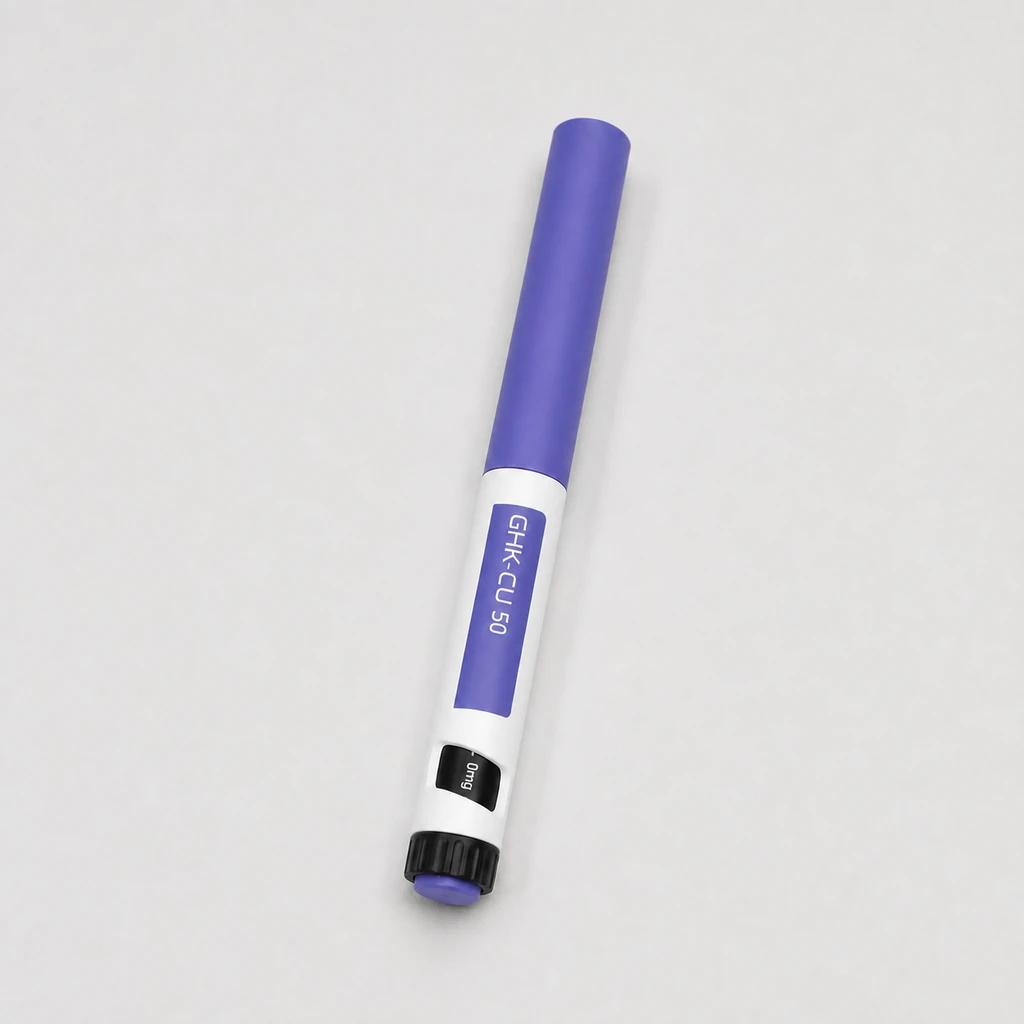
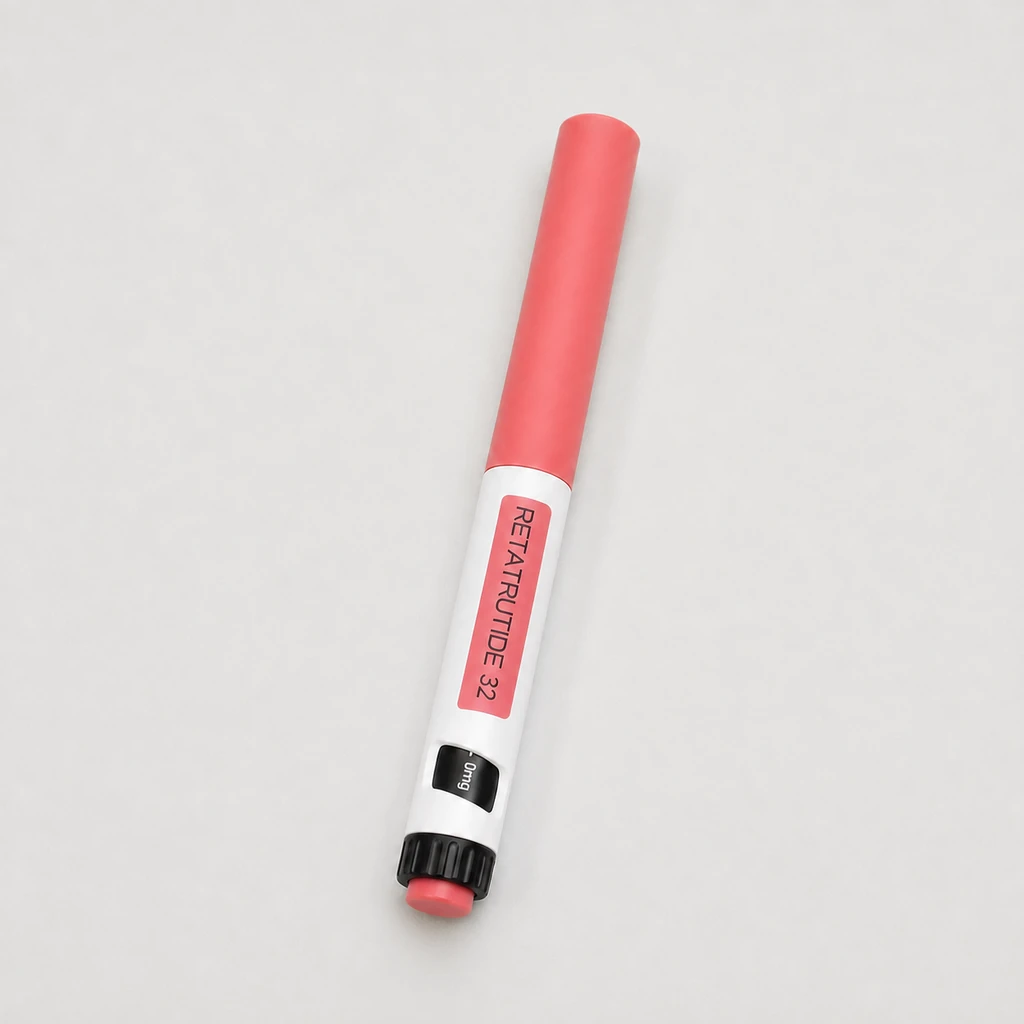
You are reporting history, not creating a treatment instruction. If you cannot establish a detail, write “unknown.” An accurate unknown is more useful than a confident guess based on the colour of a pen.
The NHS preparation guidance likewise recommends bringing medicine information and understanding the instructions about eating, drinking and usual medication. Put all instructions from the relevant team in one place so that a general leaflet is not mistaken for your personal plan.
Ask for decisions in a form you can follow

Illustrative licensed stock photograph. · Photo: Pavel Danilyuk · pexels.com
View full size ↗Before the procedure, ask who is making the medication decision and how to contact that person if something changes. Confirm the name of every medicine the instruction applies to, what the instruction says, and the relevant dates and times.
The team may consider symptoms, the procedure, other conditions and the medicine involved. ASA guidance describes options such as additional dietary instructions, assessment of the stomach and changes to the anesthesia approach. These are decisions for the procedure team, not a menu to select from yourself.
If different clinicians give conflicting advice, send the discrepancy back to them before acting. For example: “The clinic leaflet says one thing, but the pre-assessment message says another. Which instruction applies to my procedure and this product?” Keep their final reply with your appointment information.
Do not improvise a fasting or stopping interval
An online “six-day half-life” figure cannot show when an individual stomach is empty or when a procedure is safe. Our half-life explanation distinguishes drug elimination estimates from clinical stopping decisions.
Similarly, do not extend a fast because you are worried, or stop essential prescribed medicines while waiting for an answer. Follow the procedure team's specific instructions and contact them promptly when you do not understand a step. People taking medicines for diabetes may also need an explicit glucose-management plan.
If the procedure is tomorrow and you have not disclosed the product, contact the clinic now. Do not rely on telling a receptionist only that you are “on a diet”; ask for the information to reach the pre-assessment or anesthesia team.
On the day, report what actually happened
Tell the team about any use since the plan was agreed, any food or drink that differed from the fasting instructions, and any new symptoms. This information helps them decide how to proceed. Concealing it to avoid a possible delay removes information they need for your care.
For an emergency, seek emergency treatment without delaying to complete a planned washout. Tell the clinicians what you used and when as soon as you can. If possible, have someone bring the packaging or your medication note.
Before discharge, ask which medicines to continue or restart and who to contact if you cannot eat or drink normally. A pre-procedure instruction is not automatically a post-procedure instruction. The finished output should be one agreed plan covering the relevant medicines, the procedure and the return home.
Instructions & useful references
- GLP-1 medicines and anesthesiamadeforthismoment.asahq.org · Individual procedural assessment of gastric-emptying/aspiration considerations. Do not derive a universal retatrutide stopping period.
- Retatrutide development statuswww.lilly.com · Current developer page checked October 11: retatrutide remains investigational; phase 3 results exist. No retail-product equivalence or approved personal regimen is inferred.
- Preparing for surgerywww.nhs.uk · Provide medication history and follow the procedure team’s fasting and medicine instructions.
Sources checked on October 11, 2026. This guide provides general information, with practical planning suggestions. It is not an individual treatment plan.