

Can You Use Hyaluronic Acid and Niacinamide Together?
Everyday guidesPublished 4 min readhow to
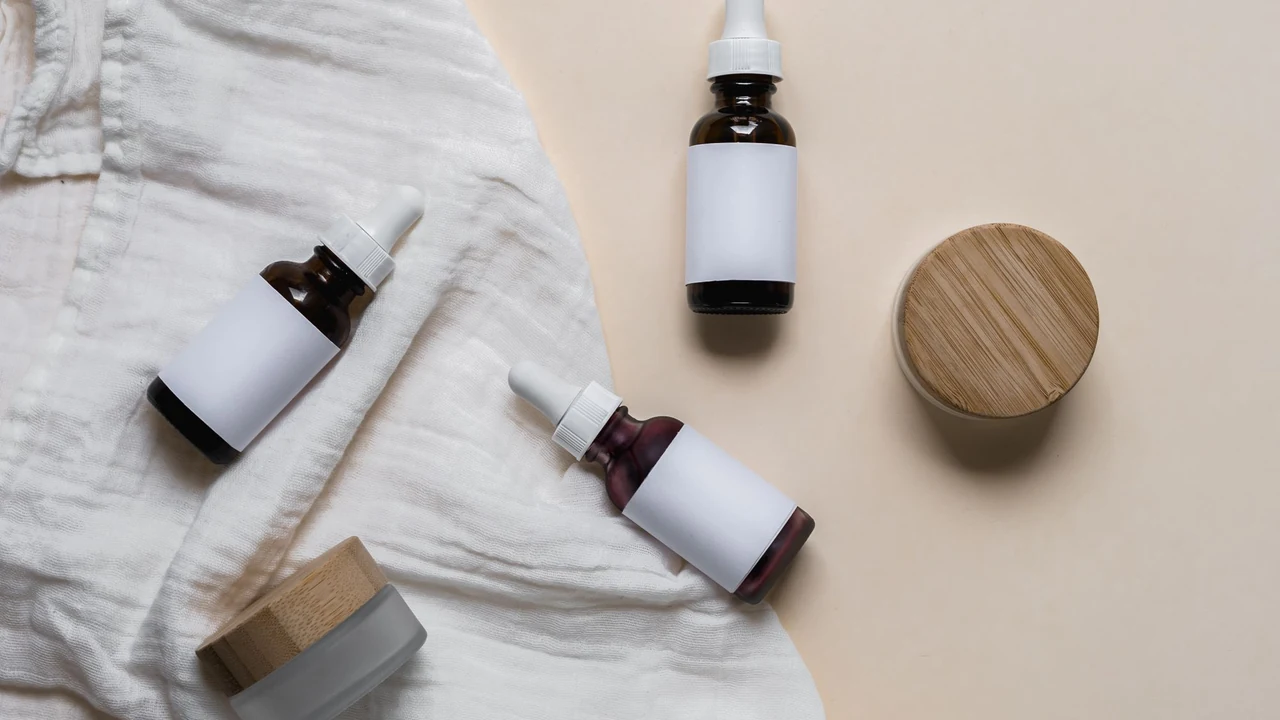
These ingredients can share a routine. Check whether you need two products, then introduce them without confusing compatibility with guaranteed tolerance.
Illustrative licensed stock photograph. · Photo: Polina ⠀ · pexels.com
The short answer
Hyaluronic acid and niacinamide can generally be used in the same skincare routine. You do not need a special separation interval just because those names appear together. Check each product's directions, start simply and remember that compatibility does not guarantee every formula will suit your skin.
Table of Contents
- Check what is already in your moisturizer
- What compatibility guidance actually means
- A simple order when you use both
- Introduce one product at a time
- More layers can create a texture problem
- Keep the endpoint practical
- Sources
- Explore this topic
Yes, hyaluronic acid and niacinamide can generally sit in the same skincare routine. You do not need to use one on odd days and the other on even days just because the ingredient names sound technical. The more useful questions are whether you need both products and whether their actual formulas feel comfortable together.
Compatibility is not a guarantee of tolerance. Two compatible ingredients can still arrive in products with other ingredients, textures or strengths that do not suit you.
Check what is already in your moisturizer
Before buying two serums, read the products you already use. Hyaluronic acid and niacinamide may already be included in a moisturizer or another leave-on formula. An ingredient does not have to come in its own dropper bottle to be part of the routine.
Ask what problem the new product is supposed to solve. If your skin is comfortable with a simple routine, a second serum may add cost and layering without a clear practical benefit.
If dryness or irritation is the main issue, first consider cleansing and moisturizer use. The NHS guidance on emollients explains the role of moisturizers in reducing water loss. More serum steps are not a substitute for a routine your skin tolerates.
What compatibility guidance actually means
The manufacturer The Ordinary discusses using hyaluronic acid and niacinamide together. That is helpful product guidance, but it is not a clinical guarantee covering every brand, concentration and combination on the market.
A label may also contain exfoliating acids, fragrance or other active ingredients. Read the complete directions, especially if the formula is a combination product. Do not decide the order or frequency from one highlighted ingredient while ignoring the rest.
“Compatible” means there is no general reason to separate this pair solely because of their names. It does not mean every person needs them, that stronger percentages are better or that using more produces faster results.
A simple order when you use both
Follow the individual directions first. In an ordinary routine, leave-on treatment products generally go after cleansing and before moisturizer. In the morning, sunscreen follows the relevant product directions and comes before makeup.
The AAD's skincare-order guidance supports keeping the sequence straightforward. It does not require a long waiting ceremony between every compatible ingredient.
If two separate serums are both directed for the same step, texture can help organise them: a lighter product may be easier to apply before a thicker one. This is a practical layering preference, not a claim that the reversed order makes either ingredient useless.
| Situation | Practical response |
|---|---|
| Both ingredients are in one product | Follow that product's directions |
| You own two compatible serums | Use the stated order and amounts; keep layers modest |
| Your moisturizer already includes them | Decide whether another product adds a real benefit |
| The combination rolls into little balls | Simplify layers and examine application |
| Skin burns or develops a rash | Stop the irritating experiment and reassess |
Introduce one product at a time
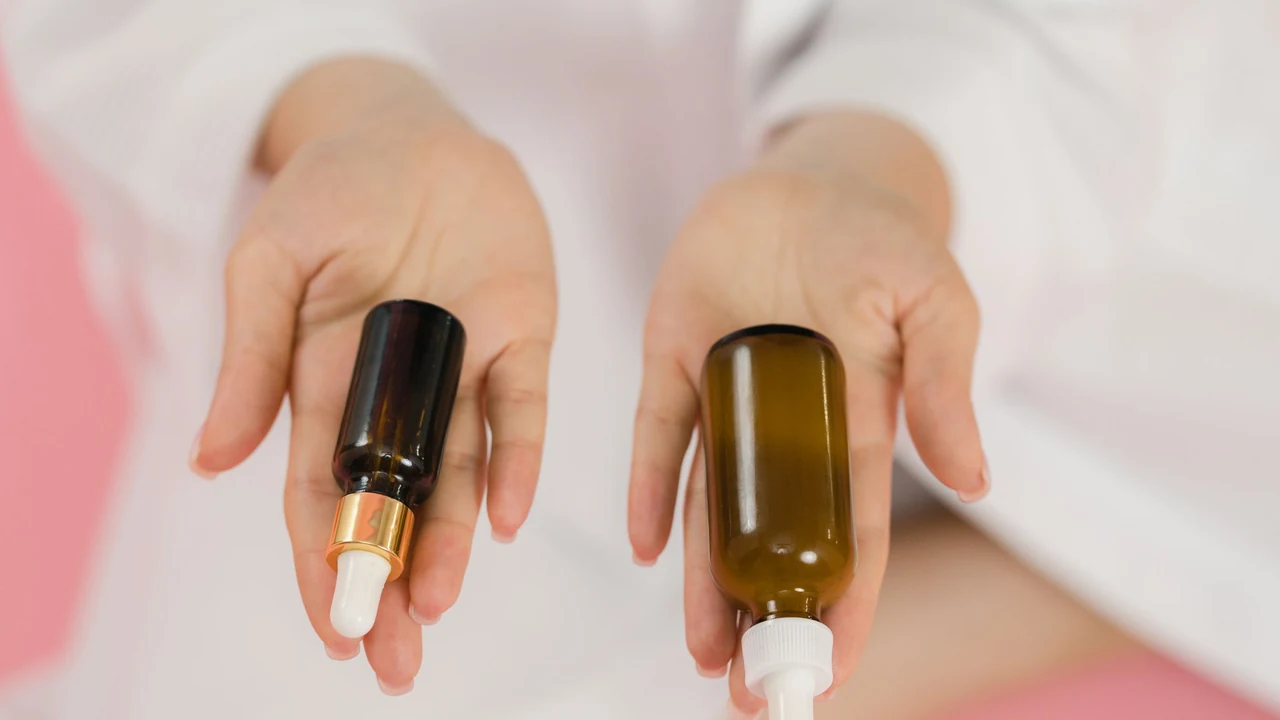
Illustrative licensed stock photograph. · Photo: SHVETS production · pexels.com
View full size ↗If both products are new, do not start them simultaneously. Use one first so that you can observe comfort. Introduce the second only when you understand how the first behaves.
Our guide to testing a new skincare product gives a practical process. A small-area trial reduces uncertainty but cannot guarantee that a product will never cause a reaction.
Keep the rest of the routine steady during the trial. Changing cleanser, exfoliant and sunscreen on the same weekend makes it difficult to connect any irritation with a particular product.
More layers can create a texture problem
If the routine becomes sticky or pills, that does not automatically mean the ingredients are chemically incompatible. The number of layers, product amounts, rubbing and formula combinations can all affect the visible finish.
Try removing an optional layer on a separate day while keeping the essential routine intact. Do not solve a pilling problem by using too little sunscreen. If makeup is involved, compare the finish before and after makeup rather than blaming the first serum you applied.
Keep the morning sequence simple; our guide to sunscreen and moisturizer order explains where the protection step fits.
Keep the endpoint practical
A useful combination feels comfortable, fits your budget and does the job you bought it for. It does not require a complicated schedule or the strongest concentration available.
If your skin remains irritated, adding more products labelled hydrating is not automatically the answer. Simplify the routine and seek advice for persistent symptoms. Hyaluronic acid and niacinamide can be used together, but neither the pairing nor the number of bottles is a measure of how well you care for your skin.
Instructions & useful references
- Fact vs Fiction: Using Hyaluronic Acid and Niacinamide TogetherThe Ordinary · Compatibility of cosmetic routines; manufacturer guidance not proof that every formula or concentration is equivalent.
- EmollientsNHS · Moisturizing barrier support, soap substitutes and practical cautions.
- Should I apply my skin care products in a certain order?AAD · Cleanse, treatment, moisturizer/sunscreen, then makeup; avoid too many products.
Sources checked on October 1, 2026. This guide provides general information, with practical planning suggestions. It is not an individual treatment plan.