

How Long Do Hard-Boiled Eggs Last in the Fridge?
Everyday guidesPublished 5 min readhow to
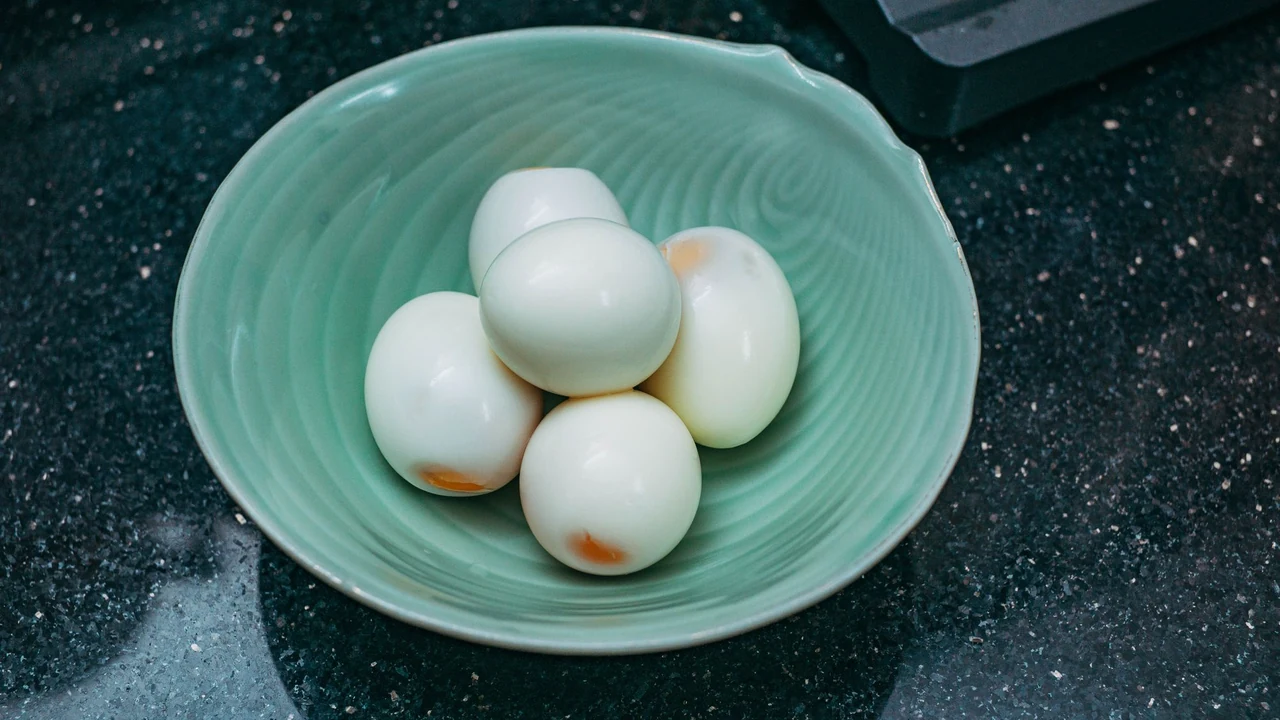
One week is the refrigerated limit in FDA guidance, but only when the eggs were handled safely before they reached the fridge.
Illustrative licensed stock photograph. · Photo: FOX ^.ᆽ.^= ∫ · pexels.com
The short answer
Use hard-boiled eggs within one week of cooking when kept refrigerated at 4°C or below. The FDA applies that advice to peeled and unpeeled eggs. Refrigerate within two hours, or within one hour when the temperature is above 32°C; a cold fridge cannot undo unsafe time outside it.
Table of Contents
- The three numbers worth remembering
- Label the cooking date
- Can you pack them for the gym or a day trip?
- Smell is not a safety test
- What changes when the egg becomes part of a meal?
- At an accommodation with a small fridge
- Sources
- Explore this topic
Hard-boiled eggs should be used within one week of cooking if they have been kept safely refrigerated. The FDA's egg-safety guidance applies this to eggs left in the shell and eggs that have been peeled.
The week is not a reset button. If eggs spent too long in a hot bag or on a kitchen counter before refrigeration, putting them in the fridge does not restore a fresh seven-day allowance.
The three numbers worth remembering
Keep the refrigerator at 4°C or below. Refrigerate cooked eggs within two hours; when the surrounding temperature is above 32°C, shorten that outside time to one hour. Use properly refrigerated hard-boiled eggs within one week.
These numbers describe different parts of the same handling chain. You need both safe time outside refrigeration and appropriate storage afterwards.
| Question | Practical limit from FDA guidance |
|---|---|
| How cold should the fridge be? | 4°C or below |
| How long can cooked eggs stay unrefrigerated? | No more than two hours |
| What if it is hotter than 32°C? | No more than one hour |
| How long in the fridge? | Use within one week of cooking |
| Does peeling restart the clock? | No |
In Bali, a car, beach bag or outdoor breakfast table can become a hot environment. Do not assume the longer limit applies simply because the eggs feel cool when you first pack them.
Label the cooking date
Write the cooking date on the container as soon as you prepare the batch. “Made sometime this week” is not a reliable system when several people use the same fridge.
Use a clean covered container and clean utensils. Keep batches separate rather than mixing newly cooked eggs into an older container and losing track of which is which.
If you peel only the eggs you need, that may make the routine simpler, but it does not create a longer official storage period for the unpeeled ones. The one-week limit still begins with cooking.
A small batch may be more practical than using every egg in the carton. Prepare an amount that fits the meals you have actually planned.
Can you pack them for the gym or a day trip?
Yes, but keep the cold-storage problem in view. A refrigerator at home does not protect the eggs after they leave it. Use a suitable insulated container with cooling packs if the food needs to remain cold during transport.
Track the time outside reliable refrigeration, including preparation, travel and time waiting to be eaten. Do not start a new clock every time the container changes location.
If you cannot keep the food cold, choose a different snack. Our guide to protein snacks without a fridge focuses on options that are easier to manage during a long outing.
A boiled egg can be a convenient food without being the right food for every transport situation.
Smell is not a safety test
Illustrative licensed stock photograph. · Photo: Antoni Shkraba · pexels.com
View full size ↗An obvious unpleasant change is a reason not to eat an egg, but an ordinary smell cannot prove that it was handled safely. Do not taste a questionable egg to decide.
A float test also cannot reconstruct the cooking date or the time spent warm. Those are handling facts, not things that a bowl of water can reveal.
When the history is unknown, be honest about that uncertainty. A labelled container prevents the problem more effectively than trying to diagnose it later from appearance.
What changes when the egg becomes part of a meal?
An egg salad, rice bowl or sandwich introduces other ingredients and handling steps. Do not assume the whole mixed dish inherits a one-week life simply because the hard-boiled egg would have that limit when stored appropriately.
Use the storage advice relevant to the finished food and its ingredients. Keep preparation clean and cold storage reliable. Mixing an older egg into fresh ingredients does not make the egg newer.
Our guide to cooked rice in the fridge covers a separate ingredient with its own handling considerations. A meal-prep routine should account for each component rather than borrow the longest storage period in the bowl.
At an accommodation with a small fridge
Check that the appliance keeps food genuinely cold. A drinks cooler or a poorly performing minibar may not provide the same conditions as a properly functioning refrigerator. A fridge thermometer is more informative than touching the outside of a container.
Avoid leaving the door open while deciding what to eat. Store only what the available space can handle without turning each meal into a search through tightly packed containers.
The useful routine is uncomplicated: cool and refrigerate promptly, label the cooking date, keep the eggs cold during transport and use them within the recommended week. If you cannot verify the storage history, replacing a few eggs is better than inventing an extra day from their appearance.
Instructions & useful references
- What You Need to Know About Egg SafetyFDA · Hard-cooked eggs one week refrigerated; two hours out or one hour over90F; safe cooking and cold storage.
Sources checked on October 1, 2026. This guide provides general information, with practical planning suggestions. It is not an individual treatment plan.