

Frozen vs Fresh Vegetables: Choosing for Your Routine
Everyday guidesPublished 5 min readcomparison
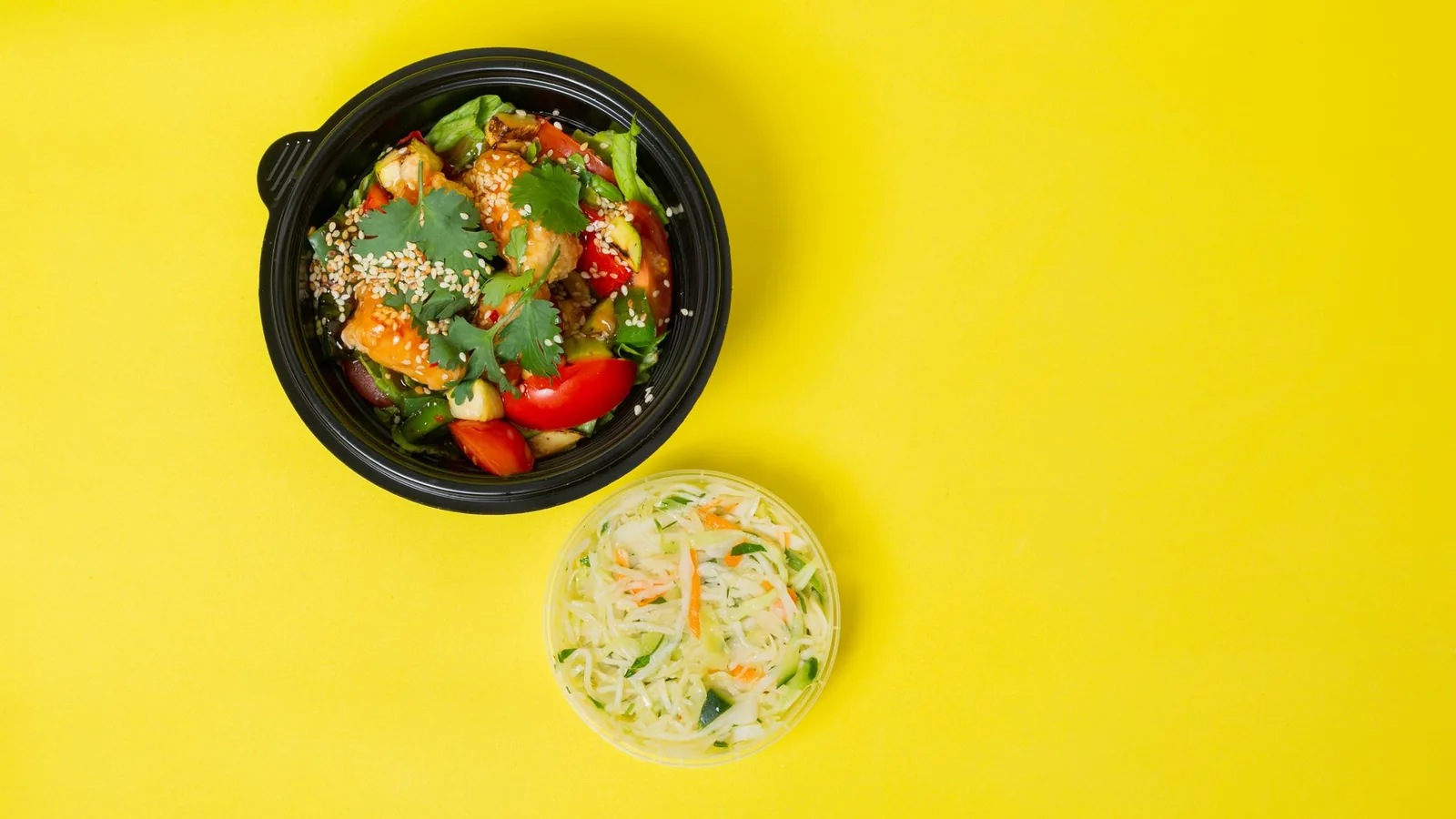
Choose vegetables for the meal, storage facilities and amount you will actually use.
Frozen and fresh vegetables side by side; an illustrative comparison, not a prescribed meal. · Photo: Ivan Babydov · pexels.com
The short answer
Choose vegetables for the meal, storage facilities and amount you will actually use.
Table of Contents
- Start with the meal you intend to cook
- Compare the product, not just the word “frozen”
- Work out a realistic cost
- Make storage part of the decision
- Build meals around more than vegetables
- A useful mixed approach
- Sources
- Explore this topic
Choose fresh or frozen vegetables according to the meal, storage space and amount you will actually use. Both can contribute to a varied diet; NHS guidance includes fresh, frozen and canned vegetables in its fruit-and-vegetable recommendations. [1] There is no useful reason to buy fresh produce that will spoil untouched when a frozen option fits your cooking routine better.
The comparison changes with your accommodation. A bag of frozen vegetables is convenient in a kitchen with a reliable freezer and a hob. It is a poor purchase for a room with only a drinks cooler. Fresh vegetables may be easier for a meal you will prepare today, while a mixture of formats can work well for a longer stay.
Start with the meal you intend to cook
Picture the finished dish before choosing the format. Do you need crisp raw texture, pieces that will hold their shape, or vegetables that will be mixed into a cooked meal? That tells you more than a general claim that one aisle is healthier than another.
| Your intended use | What to consider |
|---|---|
| A raw salad or crunchy garnish | Fresh produce suitable for eating raw |
| Soup, stew or a cooked mixed dish | Fresh or frozen vegetables that suit the recipe |
| Small portions over several meals | A frozen pack, if reliable freezer storage is available |
| One meal before moving accommodation | A quantity you can finish without storing leftovers |
| No freezer or cooking equipment | Choose food that suits the facilities you actually have |
This is a cooking comparison rather than a nutrient ranking. Texture preferences are individual. If you dislike a particular frozen vegetable in one dish, try a different preparation before deciding that the whole format is unsuitable.
Compare the product, not just the word “frozen”
Read the ingredient list. Plain vegetables and vegetables packaged with a sauce are different products. A sauce may be something you want, but include it in the comparison instead of assuming every bag contains only the vegetable pictured on the front.
Check preparation instructions too. Some frozen foods need cooking and should not be treated as ready to eat. Follow the product's instructions rather than adding an uncooked handful to a salad because the pieces look clean. Freezing and washing are not substitutes for a required cooking step. [2]
For fresh produce, inspect quality and buy an amount that fits your plans. A large discount bag is not a saving if most of it is discarded. Think about the edible portion and the meals you will be present to cook, particularly near the end of a trip.
Work out a realistic cost
Use the price for a comparable usable amount. A fresh vegetable with substantial trimming may not be directly comparable with a bag of prepared pieces. You do not need to calculate every gram precisely; simply recognise when the package weights represent different amounts of food you will eat.
Try a small shopping comparison. Write down the pack price, the approximate number of meals it will cover and whether you expect any waste. Include the practical cost of missing ingredients: a cheap vegetable that needs a recipe you will never make may be less useful than a slightly more expensive option that goes straight into dinner.
Avoid treating this as a contest you must win every week. Seasonal availability, shop prices and your schedule change. The useful habit is checking how the purchase fits the next few meals rather than automatically buying the largest or most photogenic option.
Make storage part of the decision
Frozen vegetables need freezer storage according to the package. A small ice compartment is not automatically suitable for every frozen product or length of storage. Check the appliance and instructions before relying on it. Do not buy several frozen meals on the assumption that any hotel refrigerator will keep them frozen.
For fresh vegetables, follow relevant storage directions and keep ready-to-eat foods protected from contamination. If a product needs refrigeration, organise the journey back from the shop accordingly. FDA guidance emphasises prompt chilling of perishable foods. [3]
Label opened packs or prepared portions so you know what they are and when you handled them. An unlabelled container at the back of a shared refrigerator is easy to forget. A smaller, clearly planned shop often works better than buying a week's produce without knowing when you will cook.
Build meals around more than vegetables
Vegetables are one part of dinner. Add the other foods that make the meal useful for your appetite and activity: a starchy component, a protein food and whatever seasoning or sauce fits the dish. NHS balanced-diet guidance considers the overall pattern rather than requiring a perfect balance in every mouthful. [4]
If you are increasing vegetables and other fibre-rich foods after eating little of them, make the change manageable. There is no need to replace your entire food routine overnight. If the meal also needs a protein component, daily protein planning provides context without turning vegetables into a protein substitute.
A stomach illness is a separate consideration. Use the guide to what to eat with Bali belly when symptoms are affecting food and fluid intake, rather than assuming a large vegetable meal is always the immediate priority.
A useful mixed approach
For a kitchen with proper cold storage, consider buying fresh vegetables for meals where you want their particular texture and keeping a plain frozen option for cooked dishes. For a short hotel stay, buy only what you can prepare and finish safely with the equipment available.
At the end of the week, review what you ate and what remained. That tells you more about the right format for your routine than an abstract fresh-versus-frozen debate. Keep the products that made meals easier, reduce the quantities that went unused and let the next shopping list reflect what actually happened.
Instructions & useful references
- 5 A Day: what counts?NHS · Fresh, frozen and canned vegetables can count; no claim of identical nutrient content.
- Cooking your foodFood Standards Agency · Frozen vegetables and manufacturer cooking instructions; source redirected from food.gov.uk.
- Are You Storing Food Safely?US Food and Drug Administration · Prompt refrigeration, 40 F refrigerator guidance, 2-hour/1-hour storage boundaries and limits of smell.
- The Eatwell GuideNHS · Overall meal pattern and balance across a day or week.
Sources checked on September 23, 2026. This guide provides general information, with practical planning suggestions. It is not an individual treatment plan.