

Does Sunscreen Prevent Tanning? What a Colour Change Can Tell You
Everyday guidesPublished 4 min readhow to
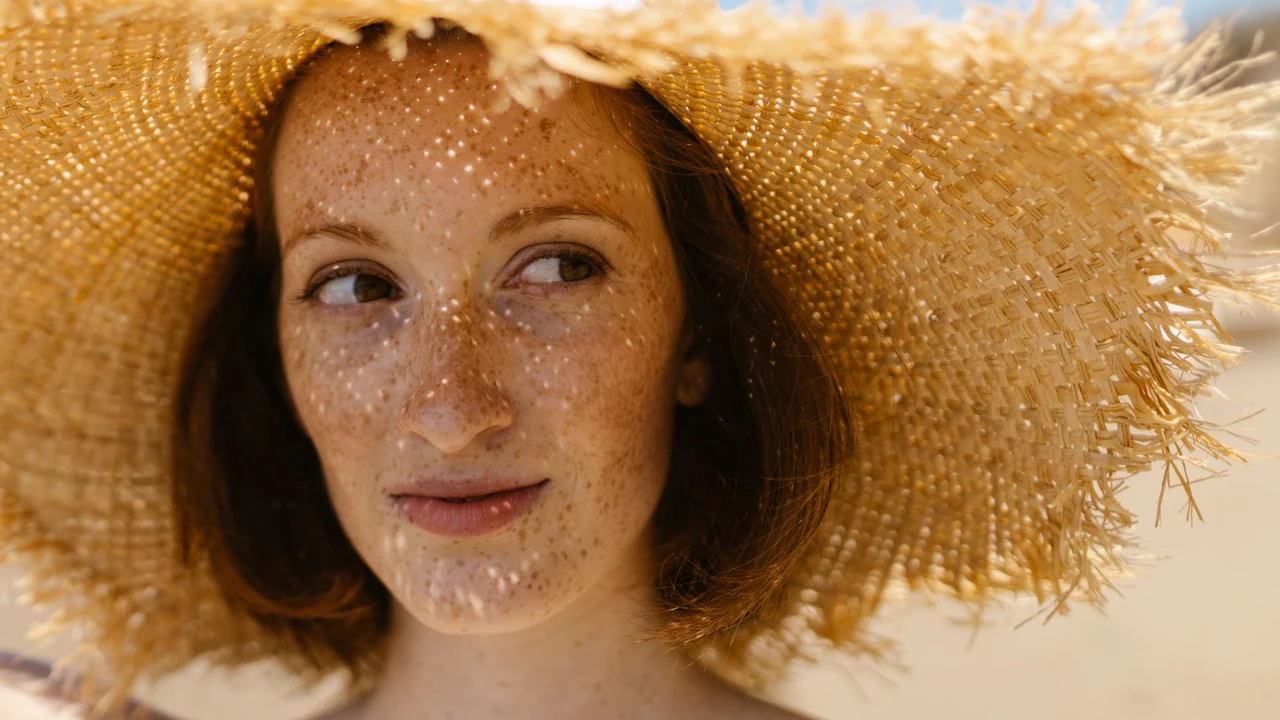
Sunscreen reduces ultraviolet exposure, but a tan is not a useful test of protection. Combine it with shade and clothing rather than chasing colour safely.
Illustrative licensed stock photograph. · Photo: RDNE Stock project · pexels.com
The short answer
Sunscreen can reduce tanning by reducing ultraviolet exposure, but it does not block every UV ray or guarantee that skin will not change colour. A tan is a response to UV damage, not proof of safe exposure. Do not use tanning as a test of whether sunscreen is working.
Table of Contents
- A tan is not a protective achievement
- Why colour can still change while wearing sunscreen
- Do not run a half-face experiment
- Make the outdoor plan do some of the work
- What if you want the appearance of a tan?
- Check the routine instead of checking the colour
- Sources
- Explore this topic
Sunscreen reduces ultraviolet exposure, but it cannot guarantee that your skin will not tan. A colour change is not a useful test of whether the sunscreen worked well enough, and the absence of a tan does not measure all the exposure your skin received.
If the goal is to protect your skin, combine sunscreen with shade and clothing. If the goal is to obtain a tan without UV damage, sunscreen cannot turn intentional tanning into a damage-free activity.
A tan is not a protective achievement
The American Cancer Society explains that a tan from ultraviolet exposure is a sign of skin damage. A “base tan” is not a reliable strategy for protecting yourself during a holiday.
This matters because tanning is often described as a gradual preparation process: get some colour now so you can tolerate more sun later. That framing encourages additional exposure while presenting it as protection.
Do not use how quickly you tan, how rarely you burn or how much colour you already have as permission to extend sun exposure. Those observations do not replace a protection routine.
Why colour can still change while wearing sunscreen
Real-world protection depends on application, coverage, reapplication and exposure. Missed areas, rubbing, water and sweat can all complicate the routine. No sunscreen blocks all ultraviolet radiation.
A small amount applied in the morning and forgotten during a full outdoor day is a different situation from following the product's directions throughout the day. The bottle's SPF is not a promise that every pattern of use produces the same protection.
The AAD's sunscreen guidance recommends broad-spectrum protection, SPF 30 or higher and water resistance, alongside other protective measures.
| What you notice | What it cannot establish |
|---|---|
| You developed a tan | That the exposure was safe |
| You did not visibly tan | That no UV reached your skin |
| You rarely burn | That you do not need protection |
| A sunscreen has a high SPF | That one morning application covers every activity |
| You already have a base tan | That you can safely stay out longer |
Do not run a half-face experiment
Applying sunscreen to one arm and leaving the other unprotected may seem like an easy test, but it deliberately exposes skin and does not produce a useful personal safety measurement.
Likewise, comparing holiday photographs cannot reliably separate sunscreen performance from lighting, exposure time and other factors. Protection should be based on established directions, not a colour contest.
If you suspect a product has been stored badly or is out of date, check the product and replace it when necessary. Our guide to sunscreen expiry and heat covers that more useful investigation.
Make the outdoor plan do some of the work

Illustrative licensed stock photograph. · Photo: 42 North · pexels.com
View full size ↗Think about where you will spend the longest time. A shaded table, protective clothing and a hat can reduce how much you rely on remembering a bottle while distracted.
Pack sunscreen where you can reach it rather than burying it under towels. If you are swimming or sweating, use the relevant water-resistance and reapplication directions. A plan that is easy to follow has a better chance of surviving an ordinary beach day.
Our Bali sunscreen guide brings these steps together for local conditions. You do not need to stay indoors all day to stop treating a tan as the objective.
What if you want the appearance of a tan?
A cosmetic colour change and a UV-induced tan are different things. If you use a sunless tanning product, check its directions and do not assume the resulting colour gives sun protection. A bronzed appearance does not replace sunscreen, shade or clothing.
Keep application expectations realistic too. A cosmetic product may mark clothing or look uneven; those are appearance issues rather than evidence of UV protection. Avoid making the next day's sun plan depend on the shade your skin appears to be.
You can choose an appearance preference while keeping the protection decision separate.
Check the routine instead of checking the colour
After an outdoor day, review a few practical points: did you cover the exposed areas, bring the product, follow reapplication directions and use shade when available? These are actions you can improve.
If you burned, avoid further exposure while the skin recovers and seek advice if the burn is severe or you feel unwell. Do not frame burning as a necessary first step towards an attractive holiday tan.
For the next outing, aim for a protection routine you can repeat. Sunscreen can reduce tanning, but preventing or achieving a particular shade is not the best measure of whether you looked after your skin.
Instructions & useful references
- Is Getting a Base Tan Safe?American Cancer Society · Tanning and UV damage; protection beyond sunscreen.
- Sunscreen FAQsAAD · All sunscreen filter types absorb UV; mineral also reflects; broad spectrum SPF30+, water resistance.
Sources checked on October 1, 2026. This guide provides general information, with practical planning suggestions. It is not an individual treatment plan.