

Has Heat Ruined Your Sunscreen? What the Expiry Date Can Tell You
Everyday guidesPublished 5 min readhow to
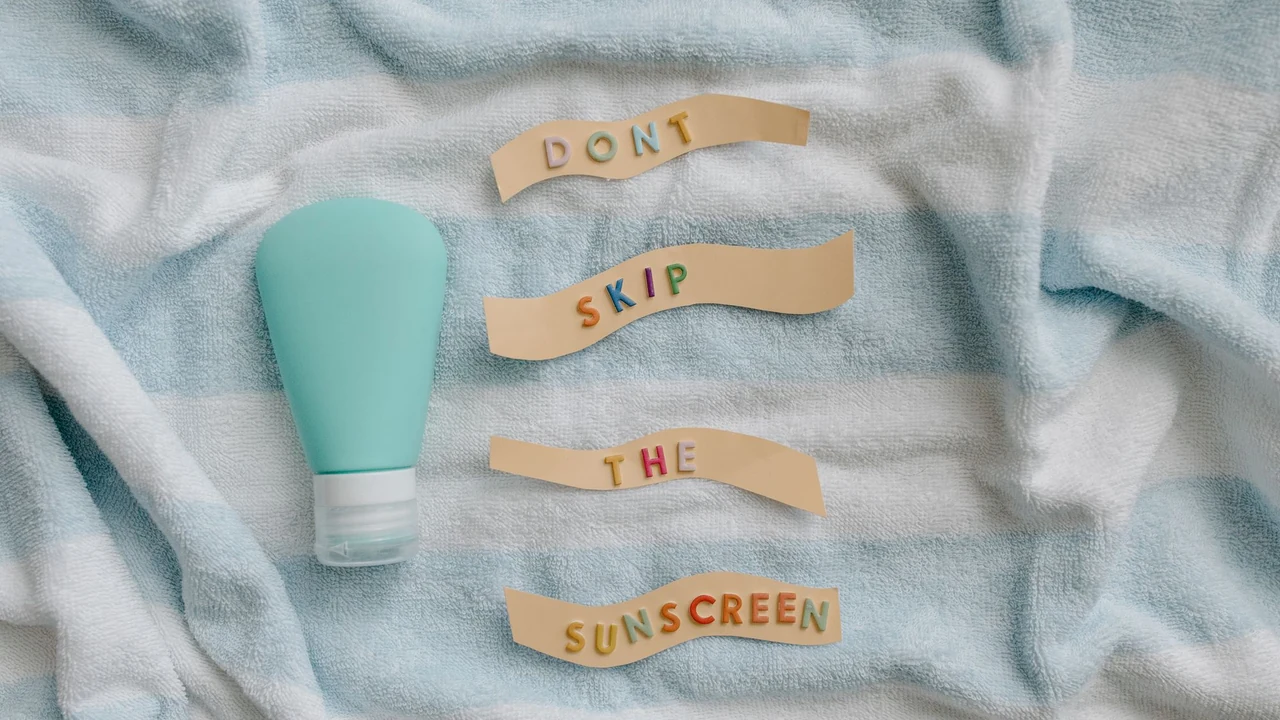
A printed expiry date assumes appropriate storage. Check the label, the product's history and the difference between an expiry date and a guess based on appearance.
Illustrative licensed stock photograph. · Photo: Tara Winstead · pexels.com
The short answer
Use sunscreen within its labelled expiry and storage conditions. Excessive heat is a reason to check the product's history, but there is no universal home calculation for remaining SPF after a hot car or beach bag. If the age or condition cannot be established, replacing the bottle is more dependable than inventing a new expiry date.
Table of Contents
- Read the date on the actual bottle
- The “three years” rule needs its country attached
- Storage instructions are part of the product information
- What appearance can and cannot tell you
- Build a beach-bag routine around the label
- A concise message for the manufacturer
- Sources
- Explore this topic
You find a half-used sunscreen in a scooter compartment after a hot afternoon. The printed date is still months away. Can you rely on it?
The date and the storage history are two separate checks. A future expiry date does not erase unsuitable storage. At the same time, you cannot calculate that a particular number of minutes in a hot bag has removed a precise percentage of protection.
The useful task is to establish what the manufacturer says, what happened to the bottle and what you can reasonably verify.
Read the date on the actual bottle
Find the expiry information and the storage directions before making a judgement from the front label. Check the outer box if you still have it. Photograph the date and batch details if they are difficult to read.
Do not assume a manufacturing code is an expiry date. If the printed information is unclear, ask the manufacturer with the exact product name, batch and photographs. Guessing how to decode an unfamiliar number can produce false confidence.
A retailer's product photo may show a different batch or regional version. The bottle in your hand is the relevant item.
The “three years” rule needs its country attached
The US FDA's sunscreen guidance says sunscreen without an expiry date should be considered expired three years after purchase. That advice sits within US requirements for products demonstrated to remain stable for that period. It is not a universal extension for any imported sunscreen with a missing label or an unknown age.
Do not use it to override a shorter printed expiry, documented storage problem or instructions on a product sold under another regulatory system. If you cannot remember when an undated product was bought, you do not have a reliable purchase-date starting point.
A small note of the purchase date can help with future bottles. It cannot reconstruct the history of the one you found today.
Storage instructions are part of the product information
The Australian TGA's therapeutic-sunscreen guidance links assigned shelf life to stability under specified conditions. Its examples include storage limits such as below 25°C or 30°C, depending on the product. Read the actual label rather than borrowing a temperature from another brand.
The FDA also advises keeping sunscreen away from excessive heat and direct sun. For a beach day, think about where the bag sits as well as what time you apply the sunscreen.
| Situation | Useful next step | Unsupported shortcut |
|---|---|---|
| Clearly in date, appropriate documented storage | Follow the product directions | Assuming the bottle lasts indefinitely once opened |
| Date unreadable or code unclear | Ask the manufacturer or replace | Guessing the code |
| Known prolonged hot storage | Give the manufacturer the specific history; replace if reliability is uncertain | Assigning a homemade “half-SPF” value |
| Unknown age and storage | Choose a product with a known history | Trusting appearance alone |
| Printed expiry has passed | Replace the product | Extending the date because it smells normal |
This table is a decision aid, not a laboratory test of your sunscreen.
What appearance can and cannot tell you

Illustrative licensed stock photograph. · Photo: Amar Preciado · pexels.com
View full size ↗A change that worries you—such as unexpected separation, texture or smell—is information to report to the manufacturer. It is not a method for measuring the remaining SPF.
The reverse is equally important. A bottle that looks normal has not thereby passed a stability test. Do not test whether old sunscreen works by deliberately spending longer in the sun and waiting to see whether you burn.
There is no reliable home equation that combines “one afternoon in a car,” a guessed temperature and the printed SPF into a revised protection number. Avoid articles or social posts that pretend otherwise.
Build a beach-bag routine around the label
Before leaving, check that you have enough suitable product for the planned outing. Bring the bottle with its directions readable. Keep it shaded and away from avoidable heat; do not turn a scooter compartment or dashboard into its regular storage place.
Think about the whole outing: transport, swimming, lunch and the trip home. A carefully stored bottle still needs correct use. This article answers the storage question; the Bali sunscreen guide covers choosing and applying protection.
If makeup makes the application question difficult, use the separate guide to reapplying sunscreen over makeup. An unclear expiry date is not solved by a different application technique.
A concise message for the manufacturer
If you want product-specific advice, send facts rather than asking only “Is this safe?”
Include the exact name and regional version, batch, expiry, when it was opened if known, where it was stored and the best available estimate of duration and temperature. State clearly which details are unknown. Add photographs of the label and any visible change.
A manufacturer may still be unable to establish the bottle's condition remotely. If uncertainty remains, choose a replacement with a known date and storage history. That decision is more practical than trying to rescue a bottle by inventing evidence about it.
Instructions & useful references
- Sunscreen: How to Help Protect Your Skin from the SunUS FDA · Expiry, US-specific undated three-year advice and avoiding excessive heat/direct sun.
- Understanding the regulation of therapeutic sunscreensAustralian Therapeutic Goods Administration · Version4August2025; stability, expiry and assigned storage conditions; product-specific25/30Cexamples.
Sources checked on September 28, 2026. This guide provides general information, with practical planning suggestions. It is not an individual treatment plan.