

Does Coffee Dehydrate You? Count Fluids Without Ignoring Caffeine
Everyday guidesPublished 5 min readhow to
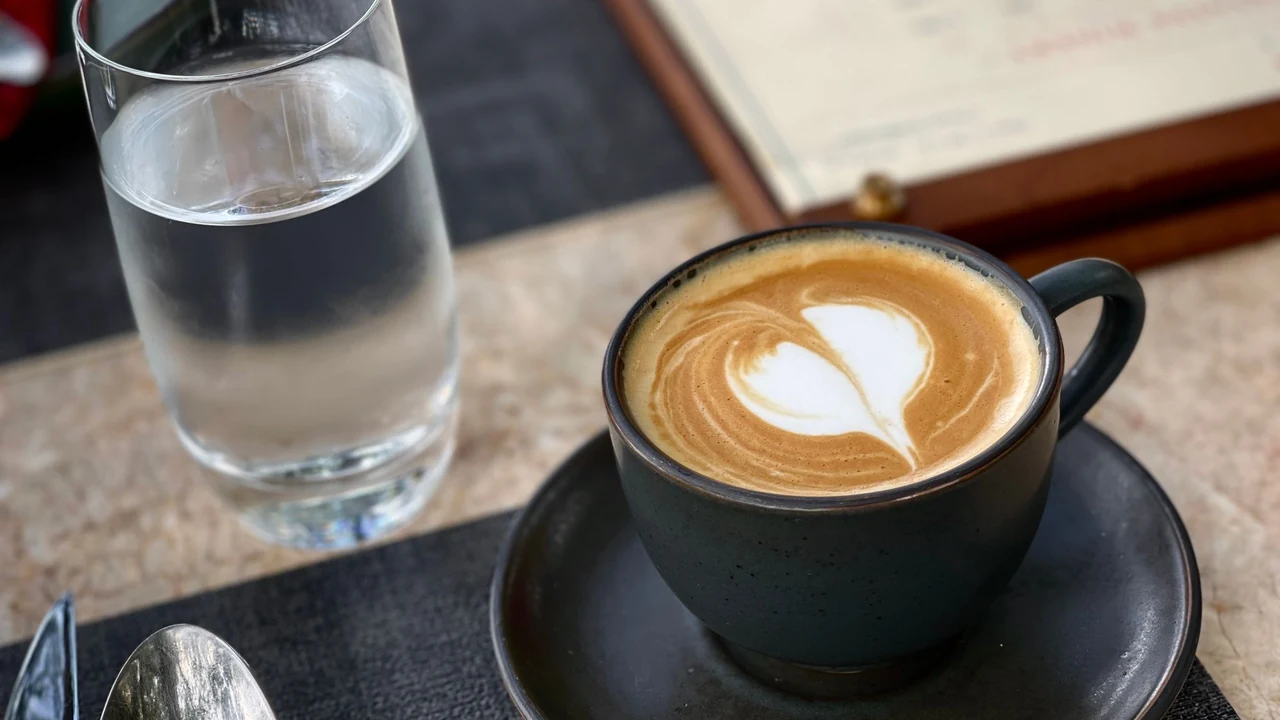
Coffee counts toward fluid intake, but caffeine needs its own consideration. Use a simple drink log to separate hydration, hot-weather needs and sleep.
Illustrative licensed stock photograph. · Photo: Toktak Phitsinee · pexels.com
The short answer
Coffee contributes fluid and does not automatically require cup-for-cup water replacement. Evidence from habitual healthy male drinkers does not cover every dose or illness. Keep safe water accessible, account for heat and activity, and consider caffeine amount, timing, medicines and personal sensitivity separately.
Table of Contents
- Why the dehydration claim is too simple
- Count the drink you actually have
- Do not mistake caffeine effects for a hydration score
- Adjust the day's plan when conditions change
- Be cautious with universal numbers
- Use the question to improve an ordinary day
- Sources
- Explore this topic
Coffee contributes fluid, so an ordinary cup does not automatically create a water debt that must be repaid cup for cup. That does not make unlimited coffee a good hydration plan. Separate two questions: how much fluid you are getting, and how caffeine affects your sleep, comfort and health.
This distinction is useful in Bali, where a morning café visit may be followed by hours outdoors. Coffee can be part of your fluid intake while safe drinking water remains the simplest drink to keep available through the day.
Why the dehydration claim is too simple
A controlled crossover study compared coffee and water in fifty men who habitually drank coffee. Over the short study periods, the tested coffee intake did not produce meaningful differences in the main hydration measures. The participants and conditions matter: this was not a trial of every caffeine dose, people with vomiting or someone completing a long tropical run.
The NHS hydration guide includes tea and coffee among drinks that count toward fluid intake. It also notes that needs vary with heat, activity and illness. Those points fit together: coffee supplies fluid, but a single café drink does not establish that your whole day is covered.
Count the drink you actually have
Cup names are poor measuring units. An espresso, a large iced coffee and a mug of filter coffee contain different amounts of fluid and can contain different amounts of caffeine. Milk and water in a coffee drink still contribute to its volume; the caffeine question needs separate information.
Try a simple one-day note rather than setting a permanent target from memory.
| Drink | Approximate volume | Caffeine information | Context |
|---|---|---|---|
| Morning coffee | Use the cup or menu size | Record what is known; do not guess precisely | Before breakfast |
| Water bottle | Record how much you finish | None | During errands |
| Afternoon drink | Include refills | Check if coffee, tea or an energy drink | Before exercise or near bedtime |
This is an example of how to record drinks, not a recommended daily menu. If you have been given a fluid limit or individual medical advice, follow that plan instead of using a general tracker to override it.
Do not mistake caffeine effects for a hydration score
Feeling wired, having palpitations or struggling to sleep does not tell you exactly how hydrated you are. Drinking extra water is not a reliable way to cancel too much caffeine. The FDA's caffeine guidance explains that sensitivity varies with the person, medicines and health conditions, and that excessive intake can cause unpleasant effects.
If your main problem is feeling overstimulated, review all caffeine sources rather than counting only coffee. Tea, energy drinks, some supplements and certain medicines can contribute. Seek advice for concerning or persistent symptoms instead of assuming another bottle of water will settle them.
Our caffeine cutoff guide addresses timing for sleep. If you want the café routine with less caffeine, the decaf guide explains why decaffeinated does not always mean caffeine-free.
Adjust the day's plan when conditions change
Illustrative licensed stock photograph. · Photo: Doğu Tuncer · pexels.com
View full size ↗A quiet morning at a desk and an afternoon walk in humid heat are different contexts. Keep access to safe water and ordinary meals in the plan. Do not wait until a long outing to discover that the only drink you brought was a small coffee purchased hours earlier.
For exercise, consider the duration, intensity and weather. The Bali electrolytes guide explains when the question extends beyond carrying plain water. Coffee is not an oral rehydration treatment for an illness with substantial ongoing fluid loss.
If you are vomiting, have diarrhea or cannot keep drinks down, use illness-specific advice and seek care when needed. A hydration study in healthy habitual coffee drinkers cannot answer that situation.
Be cautious with universal numbers
You may see a recommended number of glasses, a caffeine ceiling or a formula based on body weight. Each refers to a different question and has limits. A general fluid guide is not a personalised prescription, and a caffeine amount tolerated by one adult is not a goal for everyone else.
Pregnancy, medicines, cardiovascular symptoms and other health circumstances can change the advice. Ask a clinician when those considerations apply. There is no need to prove tolerance by reaching an online maximum.
Also avoid a rigid “one glass of water for every coffee” rule as a claim about physiology. You can choose to have water alongside coffee because it is convenient and pleasant, without pretending the coffee removed an equal volume from your body.
Use the question to improve an ordinary day
If your drink record shows long stretches without access to fluid, solve that practical gap. If it shows several late caffeinated drinks and poor sleep, address timing and amount. If illness or symptoms are involved, get advice appropriate to those symptoms.
Coffee can count toward fluid intake while still deserving moderation for other reasons. Treating hydration and caffeine as related but separate decisions produces a more useful routine than labelling every cup either dehydrating or harmless.
Instructions & useful references
- No evidence of dehydration with moderate daily coffee intake: A counterbalanced cross-over study in a free-living populationPLOS ONE · 50 habitual male coffee drinkers, short-term coffee versus water; scope does not include illness or tropical endurance exercise.
- Water, drinks and hydrationNHS · Tea and coffee count toward fluid intake; needs vary with heat, exercise and illness.
- Spilling the Beans: How Much Caffeine is Too Much?FDA · Individual sensitivity, all caffeine sources, adverse effects and circumstances requiring personal advice.
Sources checked on October 4, 2026. This guide provides general information, with practical planning suggestions. It is not an individual treatment plan.