

How Much Caffeine Is in Decaf Coffee?
Everyday guidesPublished 4 min readhow to

Decaf usually contains a small amount of caffeine. Cup size, repeated servings and other sources determine how useful the switch is for you.
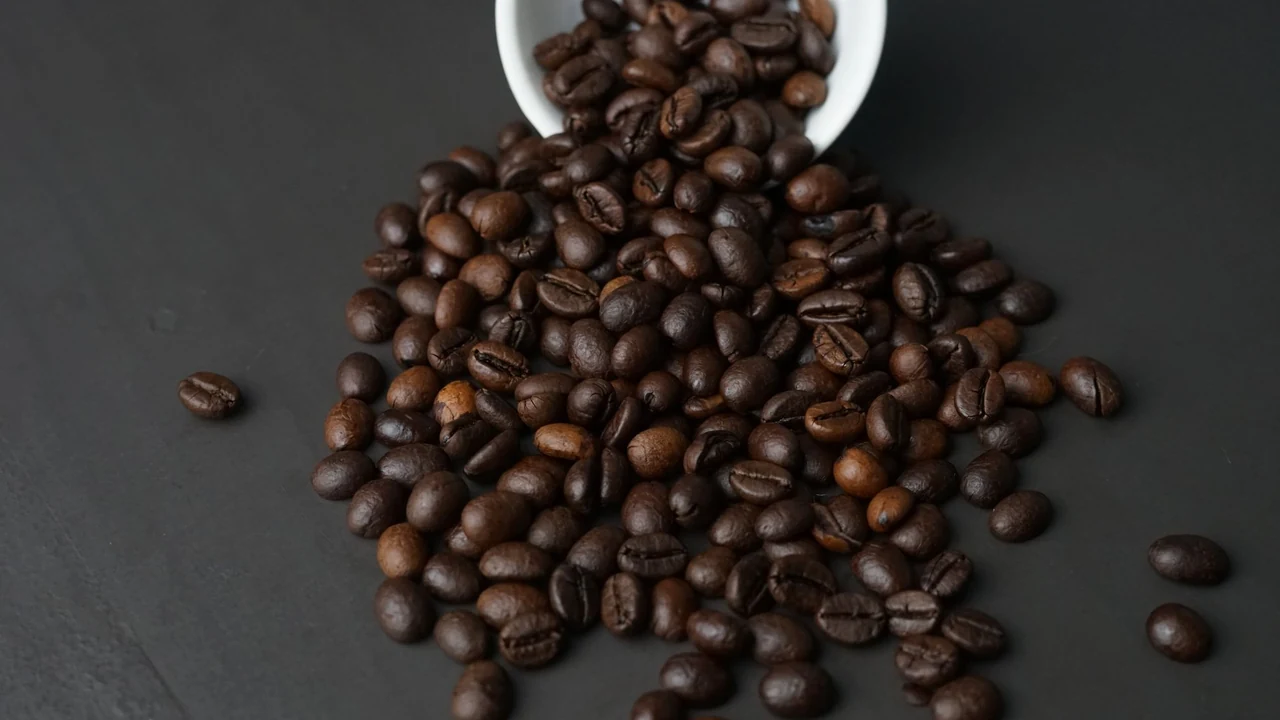
Illustrative licensed stock photograph. · Photo: khairi ismaik · pexels.com
The short answer
Decaf is lower in caffeine, not necessarily caffeine-free. The FDA gives a typical range of 2–15 mg in an 8-fluid-ounce cup, about 237 ml. Actual products and serving sizes vary, so count repeated cups and other caffeine sources if reducing intake is the goal.
Table of Contents
- Check the serving size
- Several small amounts can add up
- Decide why you are making the switch
- Use decaf to change the routine, not just the label
- What to ask when ordering in Bali
- Keep the decision proportionate
- Sources
- Explore this topic
Decaf coffee usually still contains some caffeine. The FDA gives a typical range of 2–15 milligrams in an eight-fluid-ounce cup, which is about 237 millilitres. That is a useful reference range, not a laboratory result for the cup a café serves you.
If you want less caffeine while keeping the taste and ritual of coffee, decaf can be a practical change. If you need to avoid caffeine completely, “decaf” alone is not the same promise as “caffeine-free”.
Check the serving size
A café's large cup may contain more liquid than the reference cup. An espresso-based drink may use one shot, two shots or another recipe. The caffeine amount depends on the actual coffee and preparation, not simply the size of the milk-filled cup.
Ask how the decaf drink is made if that detail matters to your plan. Do not assume that a larger latte contains less caffeine because it tastes mild, or that a short drink must contain less than a long one.
| Label or menu wording | What it tells you |
|---|---|
| Decaf | Much of the caffeine has been removed; some may remain |
| Half-caf | A blend or preparation with some regular coffee; ask about the recipe |
| Small or large | A serving description, not a complete caffeine value |
| Caffeine-free | A different claim from decaffeinated coffee |
| No caffeine amount listed | The exact amount remains uncertain |
A familiar café routine is easier to adjust when you know what normally goes into the drink.
Several small amounts can add up
One decaf cup and several decaf cups are different patterns. You do not need to become anxious about every milligram, but repeated servings matter if you are deliberately keeping intake very low.
For an illustrative calculation, three cups each containing ten milligrams would contribute thirty milligrams in total. That is arithmetic, not a measurement of any brand. Use actual product information where it is available rather than treating the example as a universal cup value.
Also include tea, chocolate, energy drinks and supplements where relevant. Replacing regular coffee while adding a caffeinated pre-workout later may not produce the reduction you expected.
Decide why you are making the switch
The right question depends on your goal. Are you trying to reduce afternoon stimulation, follow individual medical advice or simply enjoy coffee later without your usual regular-coffee intake?
Write down the purpose before choosing a rule. A general reduction can be achieved without pretending that every drink contains zero caffeine. A specific clinical restriction may require more precise product information and advice.
If a clinician has given you a limit, ask how residual caffeine in decaf should fit that plan. Do not substitute a general internet threshold for the advice that applies to your situation.
Use decaf to change the routine, not just the label
Illustrative licensed stock photograph. · Photo: Edo Nanda Tri Putra · pexels.com
View full size ↗If sleep is the concern, consider when you drink coffee as well as which beans are used. A late café visit can also involve a large meal, screens or a shifted bedtime. Changing only one factor makes it easier to see what helps.
Our guide to caffeine cut-off times for sleep explains the broader timing question. Decaf can make the transition easier while keeping the social or sensory part of the habit.
You might replace the later regular coffee first and keep the earlier routine stable. That is a practical experiment rather than a promise that decaf will solve every sleep problem.
What to ask when ordering in Bali
Check that decaf beans are available and that the drink will use them. “Less strong” is not the same order. A lighter taste, extra milk or a shorter extraction does not reliably turn regular coffee into decaf.
If the café cannot confirm the option, choose another drink rather than inventing an exact low-caffeine estimate. There is no need to make the interaction complicated; a clear request is enough.
For a packaged product, read the serving instructions and any available caffeine information. Keep the same preparation while you assess how the change fits your day.
Keep the decision proportionate
Decaf is useful precisely because it lets many people reduce caffeine without abandoning coffee. Its residual caffeine does not make it a failed product; it means the name needs to be understood correctly.
If symptoms persist despite reducing caffeine, do not keep narrowing the explanation to coffee alone. Discuss persistent concerns with an appropriate professional.
For the next week, note the number, size and timing of the drinks you actually have. Our coffee-and-creatine guide separates another common supplement question from caffeine timing. The practical takeaway here is straightforward: decaf means less caffeine, and the total depends on the whole routine.
Instructions & useful references
- Spilling the Beans: How Much Caffeine is Too Much?FDA · Decaf typically2–15mg/8floz; product variability and all-source accounting.
Sources checked on October 1, 2026. This guide provides general information, with practical planning suggestions. It is not an individual treatment plan.