

Can You Eat Salad in Bali? A Practical Food-Handling Checklist
Bali & IndonesiaPublished 5 min readhow to
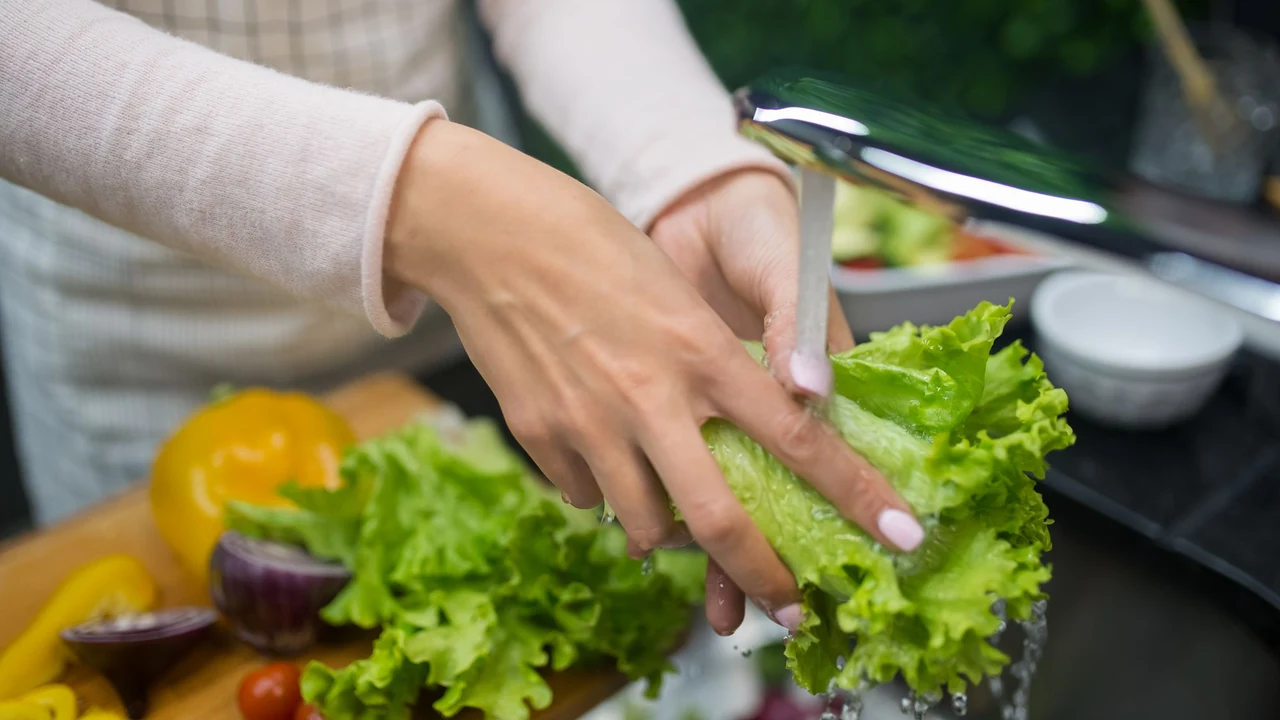
Raw vegetables require safe washing, preparation and storage. Ask about the handling rather than trusting a café's appearance or avoiding all vegetables.
Illustrative licensed stock photograph. · Photo: Kampus Production · pexels.com
The short answer
A salad is a reasonable choice only when raw ingredients have been washed with safe water and prepared and stored hygienically. You cannot verify that from appearance alone. If the handling is uncertain, choose vegetables cooked and served hot instead; no restaurant checklist can guarantee zero illness risk.
Table of Contents
- Start with the washing water
- Fresh-looking is not the same as safely handled
- Consider the whole bowl
- A useful alternative when you are unsure
- Preparing salad at your accommodation
- Accept that the checklist has limits
- The next time you order
- Sources
- Explore this topic
The question is how the salad was washed, prepared and stored, not whether all salads in Bali belong in one safe-or-unsafe category. Raw vegetables do not receive a final cooking step that can reduce many microbial hazards. Safe water and careful handling therefore matter.
If you cannot clarify the process and would rather avoid the uncertainty, choose vegetables cooked and served hot. You can still eat vegetables without making raw salad the test of whether a holiday meal is healthy.
Start with the washing water
Ask whether raw produce is washed with drinking-safe water. That is more informative than asking whether the salad is “fresh”, because recently harvested vegetables can still need appropriate cleaning and handling.
The CDC's food and water precautions advise care with raw produce and potentially unsafe water. A rinse is only as useful as the water and process involved.
A clear answer from staff can inform your decision. It is not an inspection certificate or a guarantee that you can verify every step in the kitchen.
Fresh-looking is not the same as safely handled
Crisp leaves and bright colours tell you about appearance. They do not establish water quality, clean utensils or appropriate storage. An attractive bowl can still have an uncertain preparation history.
Equally, a simple-looking venue is not automatically unsafe. Avoid using price, interior design or social-media popularity as a substitute for the relevant questions.
| What you can ask or notice | What it helps clarify |
|---|---|
| Water used to wash raw produce | A key preparation input |
| Whether salads are prepared to order | The venue's preparation routine |
| Cold storage for prepared ingredients | How food is held before serving |
| Clean utensils and separation from raw meat | Obvious handling practices |
| A clear answer when staff are asked | Whether the process is understood |
These are practical observations with limits. You cannot assess microbiological safety simply by looking across a counter.
Consider the whole bowl
A salad may include eggs, chicken, seafood, cheese or a dressing that needs appropriate handling. The leaves are not necessarily the only uncertain component.
Ask about the item you are actually ordering rather than assuming that every bowl on the menu is prepared in the same way. A made-to-order salad and a mixed bowl sitting for a long time in warmth raise different questions.
Do not assume that citrus juice, vinegar or a spicy dressing disinfects everything in the bowl. Flavour and safe food preparation are separate matters.
If the meal arrives with an unexpected raw garnish and you are avoiding raw produce, you can leave it uneaten. There is no need to turn that choice into a judgement about the entire cuisine.
A useful alternative when you are unsure
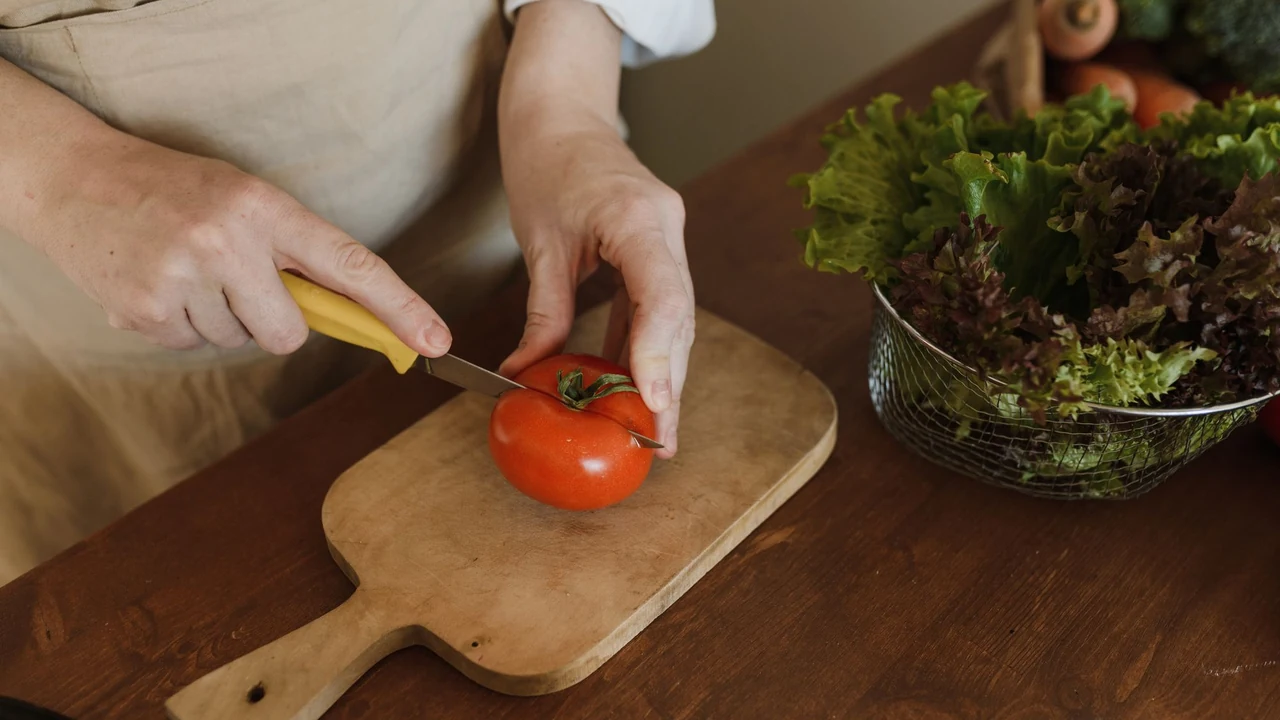
Illustrative licensed stock photograph. · Photo: Arina Krasnikova · pexels.com
View full size ↗Choose vegetables that are cooked and served hot, alongside a suitable protein source and other foods you enjoy. This is a practical alternative, not a claim that a destination's vegetables should be avoided.
A cooked meal can still be mishandled after cooking, so “hot when served” is part of the choice. Do not treat a long-standing lukewarm buffet tray as equivalent to a freshly prepared hot dish.
For ideas beyond a salad bowl, see vegetarian protein in Indonesian food. You can build varied meals without insisting that raw food is always the more nutritious or authentic option.
Preparing salad at your accommodation
Check the water available for washing food, clean hands and utensils, and use a preparation surface that has not been contaminated by raw meat. Keep ingredients that need refrigeration reliably cold.
Do not make a large batch if the accommodation has only uncertain cold storage. Preparing a manageable amount and eating it promptly is easier than trying to maintain a complicated meal-prep routine in a small minibar.
If you need to understand another water exposure, our guide to tap water and brushing teeth in Bali uses the same approach: identify the actual process rather than relying on a blanket destination rule.
Accept that the checklist has limits
The CDC's travellers' diarrhoea chapter notes that some food-safety factors are outside the traveller's control. Careful choices cannot eliminate all risk.
That limitation should not push you towards either panic or complete indifference. You can make a proportionate choice using the information available, then enjoy the meal without claiming certainty you do not have.
If you become ill, focus on hydration and appropriate care rather than confidently blaming the last salad. Timing alone cannot identify the cause.
The next time you order
Ask about safe washing water and the preparation routine. Consider the other ingredients and how the food is stored. If answers are unclear, choose a cooked, hot alternative.
The aim is a useful meal decision, not a list of venues declared safe from a single visit. Good questions about handling travel better than rules based on a café's appearance, the colour of the leaves or the price of the bowl.
Instructions & useful references
- Food and Water Precautions for TravelersCDC · Ice only from safe water; hot cooked food and peeled fruit; raw produce handling; no venue-level safety guarantee.
- Travelers' Diarrhea — CDC Yellow BookCDC · Oral rehydration solution for severe fluid losses; prepare packaged salts using the indicated safe-water volume. Food hygiene advice cannot eliminate risk.
Sources checked on October 1, 2026. This guide provides general information, with practical planning suggestions. It is not an individual treatment plan.