

When to Replace Running Shoes: Five Checks That Help
Everyday guidesPublished 6 min readhow to
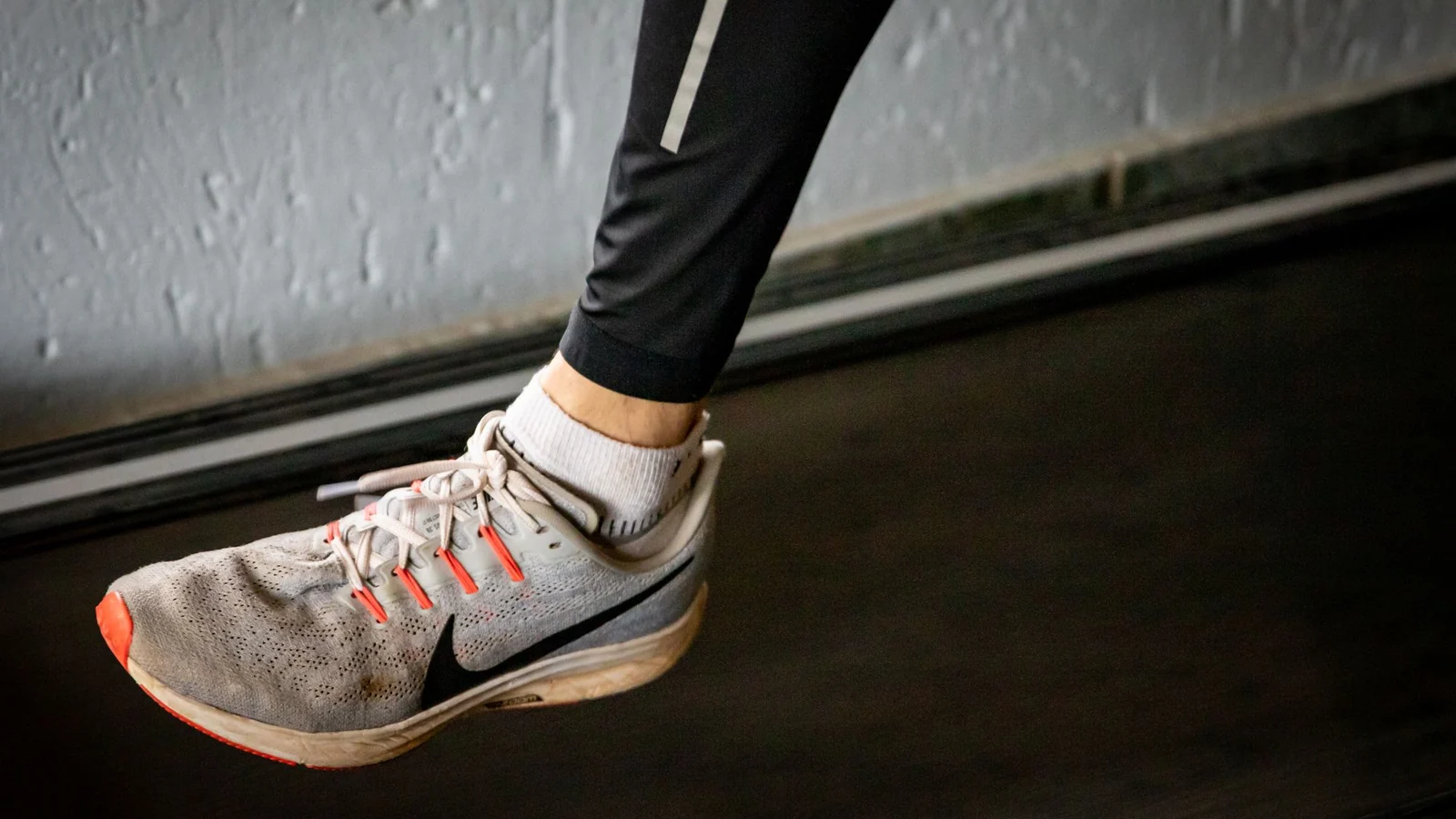
Know when to replace running shoes by checking the sole, heel, upper, fit and comfort. Use mileage as context and assess a new pair before a long run.
Photo: Magda Ehlers · pexels.com
The short answer
Inspect wear, damage and fit, using mileage as context rather than a universal replacement deadline.
Table of Contents
- Look at the pair before your next run
- Put mileage in context
- A five-minute check after the shoes dry
- Compare comfort on familiar conditions
- Choose the replacement for the activity
- Plan the first outings with a new pair
- Keep a useful shoe note
- Sources
- Explore this topic
Consider replacing running shoes when wear, damage or changing comfort means they no longer serve the activity reliably. Distance and age can prompt a check, but they are not a complete diagnosis of a shoe. The surface, construction and way you use the pair affect how it wears. Inspect both shoes and consider how they feel, rather than replacing them solely because an app reaches a round number. [1]
This is a practical equipment check, not a way to diagnose pain. If a foot, knee or other area hurts persistently, new shoes may not answer the underlying question. Reduce the activity that provokes pain and seek appropriate assessment instead of repeatedly buying another pair.
Look at the pair before your next run
Clean off enough dirt to see the sole and upper clearly. Compare the left and right shoe, and look for changes from how the pair originally sat and fitted. A photograph taken when shoes are new can make later comparisons easier, although it cannot measure their remaining lifespan.
| Area to inspect | What to notice |
|---|---|
| Outsole | Worn areas, damage and whether the grip suits the surface |
| Upper | Tears, seams coming apart or changes that affect fit |
| Heel area | Damage or a fit that no longer feels secure |
| Fastenings | Laces and eyelets that still hold as intended |
| Overall feel | A persistent change in comfort during familiar use |
The table does not assign a medical meaning to each wear pattern. Uneven wear alone is not a diagnosis of how you should run or which corrective shoe you need. Use it as a reason to inspect the equipment and, when needed, ask an appropriate professional.
Put mileage in context
AAOS gives broad replacement guidance while noting that shoe material, activity and surfaces influence wear. [1] A mileage record can remind you to inspect the pair, but it cannot capture every condition of use.
If the shoes also serve as your daily walking pair, a running app may miss much of their use. Equally, a pair stored for a long time may deserve inspection even if the running total is low. Look at the actual shoes rather than treating one data field as the whole history.
Do not wait for a threshold if there is obvious damage that affects safe use. Conversely, avoid assuming a shoe is automatically dangerous the moment a general range is reached. The sensible next step is an informed check, not a precise countdown invented for every model.
A five-minute check after the shoes dry
Place both shoes on a flat surface and compare them from behind. Check for separated sole layers, worn-through rubber and tears around the heel or lace holes. Remove a stone caught in the tread before deciding the sole is damaged. If the pair is wet, let it dry according to its care instructions before comparing its normal feel.
Then put on the socks you run in, lace both shoes and walk on a familiar surface. Write down a specific problem—heel slipping, toe rubbing or a split seam—rather than relying only on how old the shoes look. A dirty upper is different from a sole that has begun to separate.
When trying a replacement, AAOS recommends checking both shoes, allowing space ahead of the longest toe and wearing the socks used for the activity. Try them later in the day or after activity, when feet may be larger. [3]
Compare comfort on familiar conditions
Notice whether the fit has changed in a way you can describe. Is the heel moving more? Is part of the upper rubbing? Does a familiar short outing feel different with this pair? Specific observations are more useful than deciding the shoe is simply “dead.”
Keep other changes in mind. A new route, longer session or different socks can affect comfort too. If several things changed at once, avoid assigning the entire result to the shoe without considering the context.
Pain is a separate issue. The guide to muscle soreness after a workout discusses why not all discomfort should be treated as ordinary training soreness. Persistent or worsening symptoms warrant assessment rather than a shopping experiment.
Choose the replacement for the activity
Try shoes intended for the activity you actually do, and assess the fit with the socks or other equipment you normally use. AAOS emphasises matching shoes to the feet and activity rather than relying only on appearance. [2]
Walk around in the pair and pay attention to pressure, heel security and room where you need it. Do not buy an uncomfortable pair on the promise that an unspecified breaking-in period will fix every problem. Ask the retailer about its actual fitting and return arrangements before purchasing.
You do not need to change models because a new release exists. If you are considering a substantial change in shoe design, recognise that it may feel different and avoid making the first outing a demanding one. A product description cannot guarantee that a pair will suit your own use.
Plan the first outings with a new pair
Use a familiar, manageable route so you can notice fit without also solving a difficult navigation problem. Keep the option to stop if the shoe rubs or feels wrong. Do not make a long remote outing the first practical test.
Check the pair afterwards. Look for a clear source of rubbing or a fastening issue you can address. If discomfort persists, reconsider the fit rather than forcing repeated runs to justify the purchase.
In Bali or another hot destination, the environment still needs its own plan. The electrolyte and heat guide covers hydration context, but water and shoes are only parts of route preparation. Safe footing, traffic and access to shade remain relevant regardless of how new the footwear is.
Keep a useful shoe note
Record when you began using the pair, the main activities and any changes you notice. You can add mileage if it is already convenient, but the note should not become more work than the equipment check itself.
If you bring the shoes to a fitting appointment or clinical assessment, the history may help explain the problem. Include changes in training and symptoms rather than presenting the worn sole as proof of a diagnosis.
Before the next run, check the structure, fit and intended surface. Replace a pair when those checks show it no longer meets the job, and get help for pain that a shoe inspection cannot explain. That gives you a clearer decision than either ignoring visible damage or treating every mileage reminder as an instruction to buy immediately.
Instructions & useful references
- Safe ExerciseAmerican Academy of Orthopaedic Surgeons · Gradual return, rest, shoe wear variation and injury symptoms; prescriptive fluid schedule excluded.
- Shoes: Finding the Right FitAmerican Academy of Orthopaedic Surgeons · Activity-appropriate shoe fit and trying shoes; no endorsement.
- Athletic ShoesAmerican Academy of Orthopaedic Surgeons · Tips for Finding the Right Athletic Shoe
Sources checked on September 24, 2026. This guide provides general information, with practical planning suggestions. It is not an individual treatment plan.