

Tirzepatide and Sulfur Burps: What to Track and When to Get Help
Everyday guidesPublished 4 min readhow to

Understand sulfur burps while using tirzepatide: record meals and symptoms, review possible triggers and recognize when digestive symptoms need medical help.
Illustrative licensed stock photograph. · Photo: Katya Wolf · pexels.com
The short answer
Track timing, meals and accompanying symptoms rather than using the smell to diagnose a cause. Persistent symptoms warrant a prescriber review; severe pain, repeated vomiting or inability to keep fluids down need urgent assessment.
Table of Contents
- Separate the burps from the symptoms around them
- Use a short meal-and-symptom record
- Make food changes manageable
- Know when a diary is not enough
- Questions worth taking to the appointment
- Sources
- Explore this topic
Sulfur burps are burps with an unpleasant, often egg-like smell. If they appear while you are using tirzepatide, the useful next step is to look at their timing, meals and accompanying symptoms. The smell alone cannot identify a cause or tell you whether the medication is working.
Cambridge University Hospitals includes this symptom in its dietary guidance for people using tirzepatide. That makes it a reasonable subject to discuss with your prescriber, rather than something you have to describe vaguely as “bad digestion.”
Separate the burps from the symptoms around them
Record whether you also have nausea, burning reflux, loose stools, constipation or abdominal pain. These details make the report more useful than a smell rating. Tirzepatide can slow gastric emptying and cause gastrointestinal adverse effects, according to the Mounjaro medicine information. Neither fact proves why an individual episode occurred.
For example, “burps after dinner” and “burps with repeated vomiting and persistent pain” need different responses. Do not wait to complete a food diary if you feel seriously unwell.
Use a short meal-and-symptom record
You do not need to count every ingredient. A few clear entries can give the clinician something concrete to review:
| Record | Useful detail |
|---|---|
| Timing | When the burps started and how long they lasted |
| Food and drink | Meal size, rich or fried foods, alcohol and carbonated drinks |
| Medication context | Exact product, last administration and any recent prescribed change |
| Other symptoms | Pain, reflux, vomiting, bowel changes and ability to drink |
| Practical effect | Interrupted sleep, missed meals or difficulty going about the day |
Keep the record descriptive. Writing “large late dinner, symptoms two hours later” is more useful than deciding in advance that one ingredient must be responsible. In Bali, where restaurant meals may vary considerably from day to day, a photo of the meal can be an easy memory aid.
Make food changes manageable

Illustrative licensed stock photograph. · Photo: Alexy Almond · pexels.com
View full size ↗The Cambridge guidance suggests smaller, more frequent meals and reviewing possible food triggers. Large, fatty meals, fizzy drinks and certain sulfur-containing foods feature in its symptom advice. It also makes clear that these measures do not work for everyone and persistent symptoms need professional review.
Instead of removing many nutritious foods at once, use your record to discuss a manageable adjustment. If you already struggle to eat enough, ask a dietitian how to preserve a balanced intake. A restrictive internet “sulfur detox” is not a substitute for finding out what is happening.
Avoid turning the symptom into an experiment with extra medication. A pharmacist or prescriber can review any proposed remedy alongside your other medicines. Do not change the tirzepatide amount or schedule to test whether the burps disappear.
Know when a diary is not enough
Seek urgent assessment for severe or persistent abdominal pain, repeated vomiting, or an inability to keep fluids down. These are more important than the smell of the burps. The hospital’s tirzepatide patient information explains why significant abdominal symptoms and dehydration need attention.
If symptoms are milder but keep returning, arrange a review. Bring the product label and your notes so the clinician can consider the medication, diet and other possible causes together.
Questions worth taking to the appointment
Ask whether your pattern needs investigation, whether any of your other medicines could contribute, and what would make the situation urgent. Also agree on what to do if eating or drinking becomes difficult before the next review.
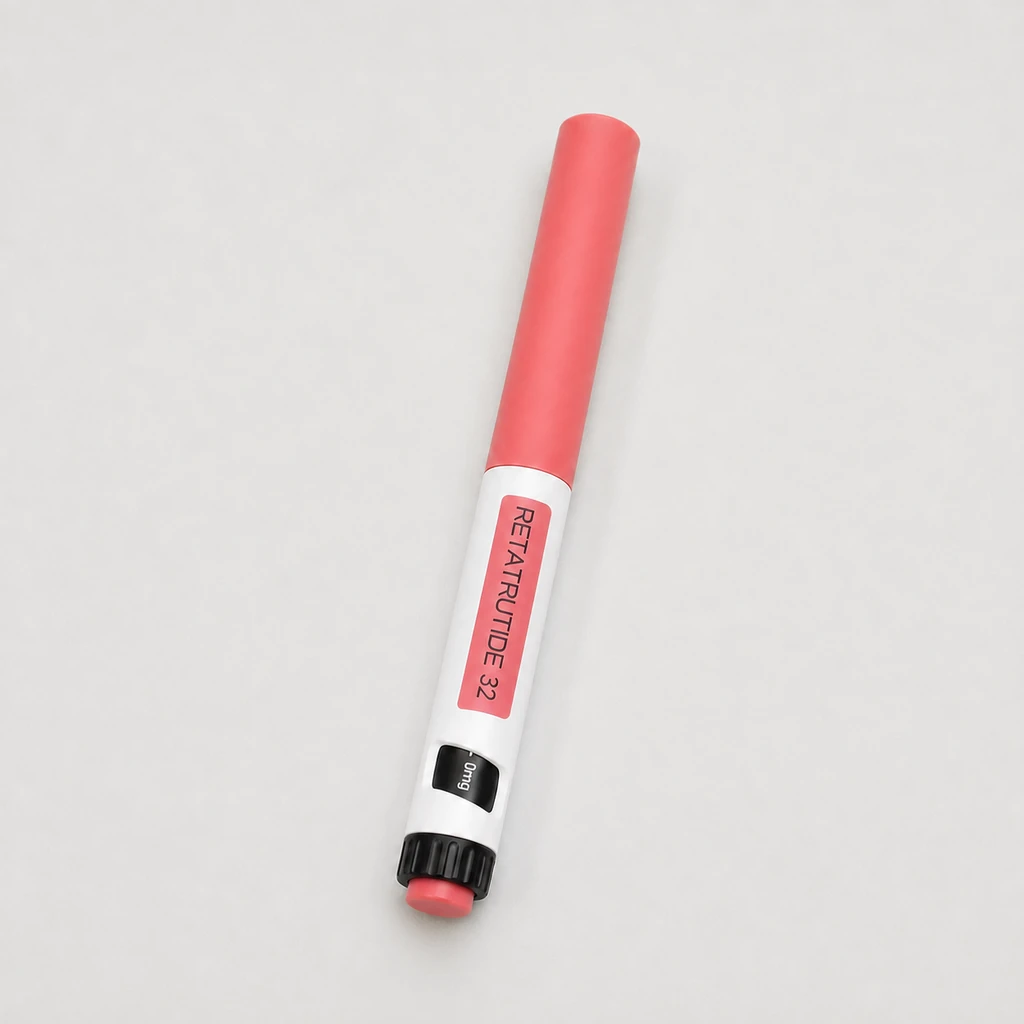
Our tirzepatide listing identifies the catalog formats. It cannot establish the cause of digestive symptoms. For that, the important information is the exact product you use and what has changed in your own routine.
Instructions & useful references
- Dietary advice for people using tirzepatideCambridge University Hospitals · The patient guidance includes sulfur burps, smaller meals, possible food triggers and review of persistent symptoms.
- Mounjaro medicine overviewEuropean Medicines Agency · Tirzepatide medicine indications, gastrointestinal adverse effects and delayed gastric emptying.
- Your obesity treatment: tirzepatideCambridge University Hospitals · Significant abdominal symptoms, vomiting and dehydration warrant clinical attention.
Sources checked on October 8, 2026. This guide provides general information, with practical planning suggestions. It is not an individual treatment plan.