

Tirzepatide and Sarcopenic Obesity: Strength Before Scale Targets
Bali & IndonesiaPublished 3 min readcomparison
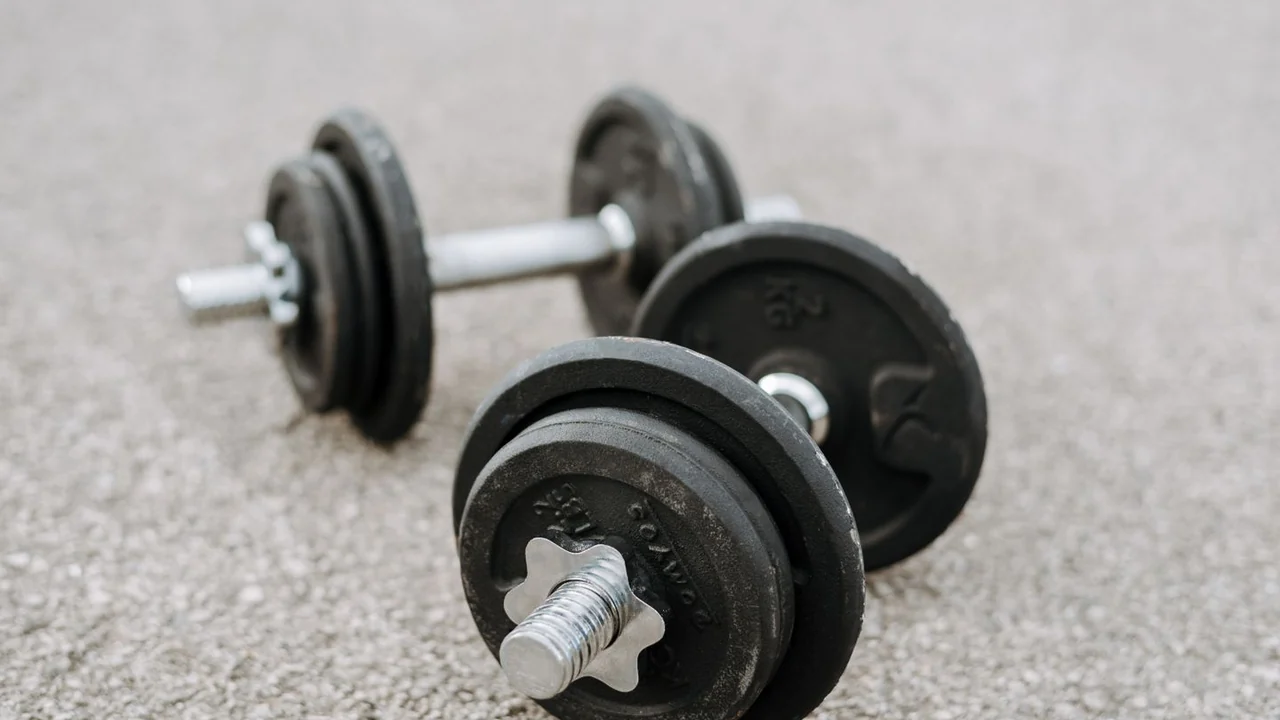
Sarcopenic obesity combines excess body fat with low muscle mass and function. Understand which strength and nutrition questions matter during weight treatment.
Illustrative stock photograph; not a customer, clinical result or product-testing record. · Photo: Anete Lusina
The short answer
Sarcopenic obesity means excess adiposity occurring alongside low muscle mass and function. A person can therefore have a high body weight and still have limited muscle reserve. If that is the concern, a weight-loss target alone is an incomplete starting point for a tirzepatide discussion.
Table of Contents
- Why a heavier body does not rule out weak muscles
- Define the result you want to preserve
- Food intake and exercise belong in the same plan
- What a product comparison cannot decide
- Sources
- Explore this topic
Sarcopenic obesity means excess adiposity occurring alongside low muscle mass and function. A person can therefore have a high body weight and still have limited muscle reserve. If that is the concern, a weight-loss target alone is an incomplete starting point for a tirzepatide discussion. [2]
Why a heavier body does not rule out weak muscles
Body weight combines several tissues and fluids. It does not measure whether someone can rise comfortably from a chair, carry groceries or recover from a familiar activity. A change in those abilities deserves attention even if the scale has barely moved.
The ESPEN/EASO consensus recommends considering sarcopenic obesity in at-risk people with excess body size and indicators of low muscle function or mass. Its diagnostic sequence begins with muscle function and then uses body-composition assessment to confirm the relevant tissue pattern. It is not a diagnosis made from a photograph or a home scale's single muscle number. [2]
Define the result you want to preserve
For one person, the meaningful goal may be getting up stairs without needing a pause. For another, it may be maintaining strength through a period of weight treatment. Write down the particular task, how it has changed and whether there has been a fall or a new limitation.
These observations can guide a clinical assessment. They should not become a homemade diagnostic score: pain, joint disease and other conditions can also affect movement.
Food intake and exercise belong in the same plan
Illustrative stock photograph; not a customer, clinical result or product-testing record. · Photo: Jb Moordiana / Pexels
View full size ↗The joint GLP-1 nutrition advisory emphasizes nutritional assessment, adequate protein and exercise, including resistance training, within individualized care. It also explains why simply adding protein is not a substitute for the exercise component. [1]
For someone whose appetite has fallen, the practical question is whether smaller meals still supply useful foods throughout the day. An easy-to-finish breakfast and a planned lunch may matter more than an elaborate supplement routine that leaves meals missing.
| Track alongside weight | What it helps describe |
|---|---|
| Familiar daily tasks | Whether function is being maintained |
| Meals actually eaten | Whether a smaller appetite is displacing essential foods |
| Exercise participation | Whether the agreed activity plan remains feasible |
| Clinical assessment | Whether changes need investigation or an adjustment to care |
What a product comparison cannot decide
A 30 mg or 60 mg Tirzepatide pen is a commercial format, not an assessment of muscle reserve. [3] Choosing a larger pack does not answer whether treatment is appropriate for someone with frailty or declining function.
Bring the weight goal and the strength goal to the same discussion. The aim is to understand what needs to change and what needs to be preserved, using the person's actual health and abilities rather than treating every kilogram lost as the same outcome.
Instructions & useful references
- Nutritional priorities to support GLP-1 therapy for obesity: a joint Advisory from the American College of Lifestyle Medicine, the American Society for Nutrition, the Obesity Medicine Association, and The Obesity Society.Original study or consensus indexed by NCBI · Study population, formulation, design and endpoints read in the official NCBI abstract; limitations retained in the article.
- Definition and Diagnostic Criteria for Sarcopenic Obesity: ESPEN and EASO Consensus Statement.Original study or consensus indexed by NCBI · Study population, formulation, design and endpoints read in the official NCBI abstract; limitations retained in the article.
- tirzepatide product presentationPeptides in Bali · Actual labelled contents and presentation, not evidence of a clinical outcome.
Sources checked on October 16, 2026. This guide provides general information, with practical planning suggestions. It is not an individual treatment plan.