

Constipation on Tirzepatide: A Practical First-Step Checklist
Everyday guidesPublished 4 min readhow to
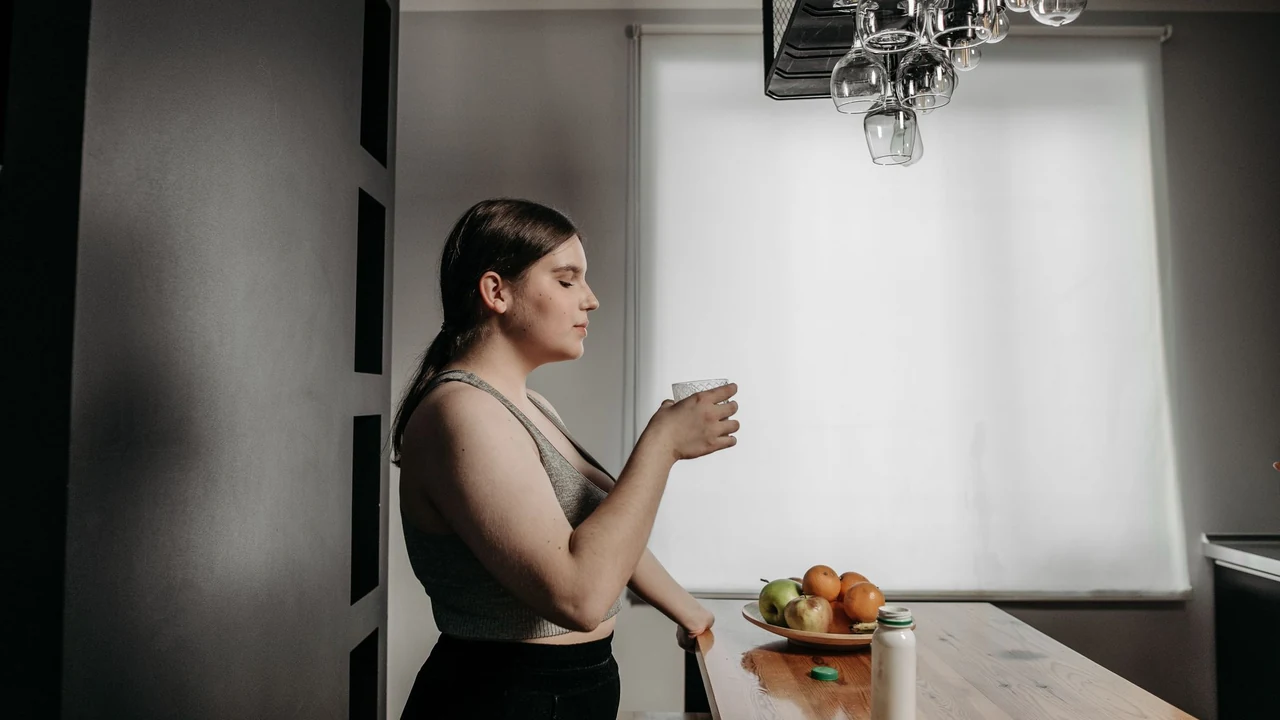
Less food, less fluid and a new medicine can change bowel habits. Use a short record to choose sensible first steps and get specific advice.
Illustrative licensed stock photograph. · Photo: Pavel Danilyuk · pexels.com
The short answer
Constipation is a recognized side effect of tirzepatide. Review fluid intake, gradually restore fibre-containing foods, keep suitable activity and contact the prescriber if symptoms persist. Constant abdominal pain, vomiting, inability to pass gas or bleeding needs prompt medical assessment rather than more fibre or a home laxative experiment.
Table of Contents
- Check the symptoms before changing the menu
- Notice what reduced appetite has changed
- Make food changes gradual and manageable
- Give the bathroom routine some room
- When a laxative discussion is more useful than another food tip
- Sources
- Explore this topic
Constipation can occur during tirzepatide treatment. It is listed among the medicine's common adverse reactions, and it is worth addressing early if bowel movements become hard, painful or difficult to pass. Fewer meals may also mean fewer opportunities for fibre and fluid, so look at the whole routine.
For mild symptoms without warning signs, useful first steps include regular fluids, gradual changes to fibre-containing foods, suitable activity and an unhurried toilet routine. Persistent symptoms deserve advice from the prescriber or pharmacist. Do not change the medicine's dose yourself to solve the problem.
Check the symptoms before changing the menu
Constipation is more than missing one usual toilet visit. Stool hardness, straining, pain and a sense of incomplete emptying matter as well as frequency. Write down what has changed compared with your normal pattern.
Seek medical attention promptly if constipation comes with constant or severe abdominal pain, vomiting, inability to pass gas, blood in the stool or fever. The NIDDK symptom guidance identifies associated symptoms that should not be managed by simply adding more fibre.
This distinction comes first because a bag of seeds, a larger shake or an over-the-counter laxative is not the right response to every painful abdomen.
Notice what reduced appetite has changed
Think through yesterday's intake rather than estimating how “healthy” it felt. Perhaps breakfast became coffee, lunch became half a sandwich and water was forgotten during meetings. A smaller food intake may be easier to tolerate, but it can also leave less variety and fewer fibre-containing foods.
Make a brief record of meals, drinks and bowel symptoms. Include travel, a disrupted routine and other medicines or supplements. Iron, some pain medicines and several other products can contribute to constipation; a pharmacist can review the complete list.
The tirzepatide label establishes that constipation is a recognized adverse effect. It cannot tell you which factor is responsible for a particular person's symptoms or which remedy is appropriate.
Make food changes gradual and manageable

Illustrative licensed stock photograph. · Photo: Yaroslav Shuraev · pexels.com
View full size ↗Bring back familiar fibre-containing foods in amounts you can comfortably eat. Options might include oats, fruit, vegetables, beans or wholegrain foods. There is no need to add large quantities of all of them in one day.
If a sudden fibre increase leaves you uncomfortable, the answer is not automatically another larger increase. Our guide to increasing fibre without bloating focuses on making the change gradually.
Drink regularly, especially when increasing fibre. If a clinician has set a fluid restriction, follow that advice rather than borrowing a generic water target. Heat and a busy Bali day can make it easy to lose track of what you have actually drunk.
| What you notice | A useful next step |
|---|---|
| Long gaps without drinks | Put water beside an existing daily routine |
| Most meals have lost fruit, vegetables or grains | Restore one familiar fibre source gradually |
| You regularly ignore the urge to go | Make an unhurried bathroom opportunity |
| Several new supplements or medicines | Bring the full list to a pharmacist |
| Symptoms persist despite simple changes | Contact the treating team |
These are prompts for ordinary self-care, not a treatment algorithm or a way to exclude an underlying problem.
Give the bathroom routine some room
The NIDDK treatment guidance includes regular activity and bowel habits alongside food and fluids. Respond to the urge to go when possible, and avoid making every visit a hurried attempt between appointments.
A comfortable walk can fit into a normal day if you feel well enough. It is not a guaranteed remedy and should not become a strenuous workout when you are unwell or dehydrated.
Do not spend long periods straining. If pain or difficulty is becoming a recurring part of the routine, that is useful information to share with a clinician rather than a challenge to push through.
When a laxative discussion is more useful than another food tip
If symptoms do not settle, ask which option is suitable for your circumstances, how to use it and when to seek further advice. Different products work differently. Combining them or repeatedly changing products without guidance makes it harder to assess the response.
Bring a short record: when symptoms began, recent treatment changes, bowel frequency and stool description, associated symptoms, food and fluid changes, and everything already tried. This is far more useful than saying only “the medicine has blocked me up.”
Keep general eating on tirzepatide separate from symptom treatment. A nourishing menu supports the bigger plan, while persistent constipation deserves its own assessment and an agreed next step.
Instructions & useful references
- Zepbound prescribing informationEli Lilly · Constipation among common adverse reactions; delayed gastric emptying and hypoglycaemia interactions.
- Treatment for ConstipationNIDDK · Diet, fluids, activity, bowel habits and clinician-guided medication review.
- Symptoms & Causes of ConstipationNIDDK · Symptoms and urgent associated features: persistent pain, vomiting, inability to pass gas, bleeding.
Sources checked on October 1, 2026. This guide provides general information, with practical planning suggestions. It is not an individual treatment plan.