

Somatropin & Water Weight: A Guide for Bali
Bali & IndonesiaPublished 4 min readlocal guide
Understand why scale weight during Somatropin treatment does not equal muscle gain. Separate fluid changes, measurements and clinical review in Bali.
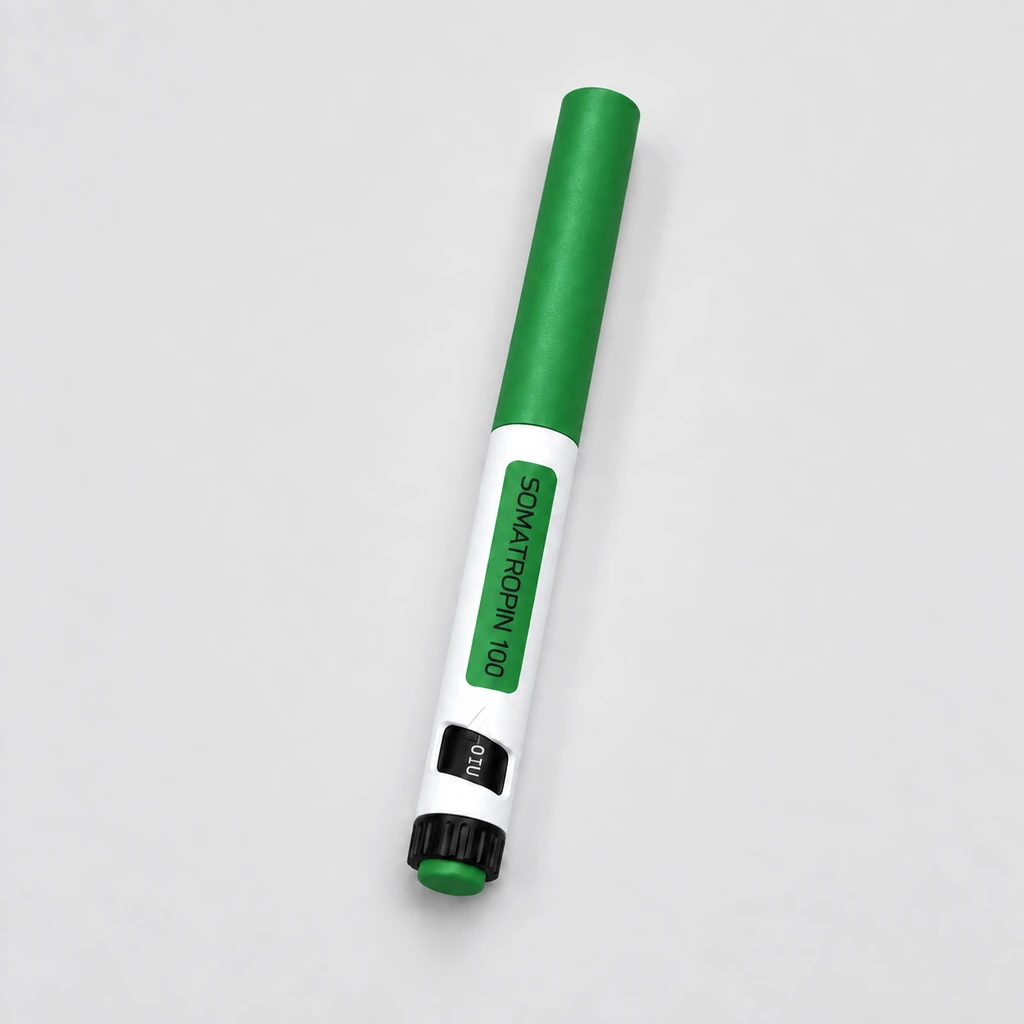
Existing catalogue image of the listed product; not a clinical-result photograph. · Photo: Peptides in Bali catalogue
The short answer
A rise in scale weight during Somatropin treatment does not demonstrate muscle gain. Fluid retention is a recognized effect, so new swelling or rapid changes need clinical interpretation rather than an assumption that the product is working better.
Table of Contents
- Why the scale cannot identify what changed
- What research on body water adds
- Use a short record instead of a progress claim
- When staying in Bali changes the practical problem
- Keep body-composition goals separate from symptoms
- Frequently asked questions
- Sources
- Explore this topic
A higher scale reading during Somatropin treatment is not proof of new muscle. Fluid changes can contribute, and the timing matters. For someone in Bali noticing tighter rings, a different shoe fit or a rapid change in weight, the useful next step is to describe what changed clearly and obtain clinical advice.
This article focuses on interpreting that change. It does not suggest adjusting treatment, adding another drug or using a scale to decide a dose.
Why the scale cannot identify what changed
A scale measures total mass. It does not separate muscle, fat, body water or the contents of the digestive tract. A single measurement therefore cannot establish which tissue accounts for an increase.
Somatropin prescribing information recognizes fluid retention in adults, including swelling and related symptoms. This is a reason to review an unexpected change rather than label it “successful growth.” See the GENOTROPIN information.
Keep the distinction precise: recognizing a possible effect does not prove that every change in weight or every swollen ankle is caused by somatropin. A clinician needs the broader picture.
What research on body water adds
A clinical study in GH-deficient adults examined sodium and extracellular water during short-term GH treatment. It demonstrated that treatment-related water changes can be measured separately from a simple body-weight reading. Read the primary study.
A separate study compared methods for assessing body water during GH treatment, including bioelectrical impedance. That matters when a consumer scale presents a calculated muscle or body-fat figure as though it were a direct tissue measurement. See the measurement study.
Neither paper gives a home formula for deciding how much of an individual's weight change is water. Their practical value is showing why measurement method and clinical context cannot be skipped.
Use a short record instead of a progress claim
A useful record lets another person understand the sequence without guessing.
| Record | Why it helps |
|---|---|
| Date the change was first noticed | Establishes the sequence |
| Whether it is one-sided or affects both sides | Makes the symptom description more specific |
| Changes in rings, shoes or visible swelling | Adds observations beyond one scale number |
| Exact treatment and other medicine history | Helps identify what changed together |
| Measurement conditions | Avoids comparing unrelated readings |
| Other symptoms | Helps determine the urgency of review |
Describe observations rather than giving them a diagnosis. “Both shoes feel tighter than last week” is more useful than “I gained healthy lean mass.” Keep photographs private and, if relevant, share them with the clinician who is assessing the change.
When staying in Bali changes the practical problem
If you started a prescribed plan overseas, arrange a way to reach the prescriber while you are away. A change first noticed after arriving in Uluwatu still belongs in the same treatment history; it should not become a separate discussion with every new provider.
When contacting a clinician, give your current location and whether you can attend in person. Severe or sudden symptoms, especially breathing difficulty or chest pain, need urgent medical assessment rather than waiting for a routine product enquiry.
The store's Somatropin page identifies the catalogue item. It cannot tell you why your body weight changed or replace an examination.
Keep body-composition goals separate from symptoms
If the original goal involved body composition, decide with the responsible clinician which measurements actually answer that question. Use consistent methods and dates. Do not treat every short-term upward movement as muscle or every downward movement as fat.
A useful review can include both the desired outcome and unwanted changes. Reporting swelling does not invalidate the rest of your experience; it gives the clinician information needed to assess the whole intervention.
For organizing laboratory documents alongside symptoms, use the IGF-I follow-up guide. The two records answer different questions: a laboratory report describes the measured sample, while a symptom record describes what happened to you.
Frequently asked questions
Can a smart scale prove I gained muscle?
A consumer estimate alone cannot establish that. Ask what the device measures directly and what it calculates, especially when fluid balance may have changed.
Should I ignore mild swelling if my weight is improving?
Report the change to the responsible clinician. A desired change in another measure does not explain the swelling.
Can I calculate water weight from the change overnight?
Not reliably from the scale alone. The observation is useful as part of the timing record, not as a diagnostic calculation.
Should I change the product myself?
Do not use this article to make a dose or product change. Seek advice from the clinician responsible for treatment and make sure they know the exact preparation.
Instructions & useful references
- Measuring body water during growth hormone treatmentPrimary clinical study, PubMed · Body-water measurement methods during GH replacement, including bioelectrical impedance.
- GENOTROPIN prescribing informationPfizer · Somatropin identity, GH replacement, fluid retention. Label belongs to named product.
- GH treatment, body sodium and extracellular waterPrimary study, PubMed · Water changes during GH treatment in deficient adults.
Sources checked on October 19, 2026. This guide provides general information, with practical planning suggestions. It is not an individual treatment plan.