

Retinol vs Retinal: One Conversion Step Does Not Compare the Whole Product
Everyday guidesPublished 4 min readhow to
1:36 · English narration Continue reading the article ↓
Video chapters
Read the video transcript
Retinal is one conversion step closer to retinoic acid, but that fact alone cannot rank two finished skincare formulas.
Retinal is one conversion step closer to retinoic acid than retinol. That explains the molecular relationship, but it does not rank every skincare bottle. Formula, directions and your skin's tolerance still matter when choosing between products.
Retinol converts to retinaldehyde, then to retinoic acid. The pathway is not a universal percentage conversion chart. One fewer step does not establish a fixed number of times faster for every formula, person or visible result.
Check the exact ingredient, complete directions and what else the formula contains. Ask which outcome the evidence supports. A dramatic speed claim is less useful than a product that fits your concern and is comfortable enough to use.
Using retinol and retinal together is not a necessary transition. Keep the rest of the routine stable while assessing a new product. If you use prescribed treatment, ask before adding another retinoid to that plan.
Repeated discomfort does not mean a product is working better. Reassess persistent irritation and keep sun protection in the routine. Avoid retinoids during pregnancy and discuss alternatives or other individual concerns with a qualified healthcare professional.
If a retinol product already suits you, retinal is not an automatic upgrade you must buy. Compare the complete product and your practical goal. A sustainable routine matters more than collecting the newest ingredient name.
Download transcript · English captions · Footage and production credits
Illustrative Pexels footage, original explanatory graphics and music, with synthetic English narration. People shown do not endorse products.
Retinal is one conversion step closer to retinoic acid, but that fact alone cannot rank two finished skincare formulas.
The short answer
Retinol and retinal are related topical retinoids. Retinal is one conversion step closer to retinoic acid, but that does not make every retinal product stronger, faster or better tolerated than every retinol product. Compare the full formula, directions and your skin's response rather than treating percentages as directly equivalent.
Table of Contents
- The conversion pathway, without the shortcut
- Compare products on the same practical questions
- Tolerance is part of the result
- Switching does not require using both
- Sunscreen remains a separate essential step
- When to get individual advice
- A better shopping decision
- Sources
- Explore this topic
Retinal is one conversion step closer to retinoic acid than retinol, but that does not rank every bottle on the shelf. The whole formula, concentration, stability, directions and your skin's tolerance still matter.
If a retinol product already suits you, switching to retinal is not automatically an upgrade you need. If you are starting from scratch, the best choice is not necessarily the product with the most dramatic “faster” claim.
The conversion pathway, without the shortcut

Illustrative licensed stock photograph. · Photo: RDNE Stock project · pexels.com
View full size ↗Retinol can be converted to retinaldehyde, commonly called retinal, and then to retinoic acid. A clinical guide to topical retinoids describes the different compounds and their roles.
That pathway explains a relationship between molecules. It does not establish a universal conversion chart for cosmetic percentages. A particular percentage of retinol cannot be assumed to equal a particular percentage of retinal in every formulation.
Nor does one fewer conversion step establish a fixed number of times faster for every real-world outcome. A claim about a molecule needs evidence for the finished product and the outcome being advertised.
Compare products on the same practical questions
Start with what the product is intended to do and whether that matches your concern. Cosmetic texture and appearance goals differ from treating a diagnosed skin condition with prescribed medication.
Then read the directions. Check whether the product combines the retinoid with other active ingredients and whether the manufacturer describes a gradual introduction.
| Question | Why it helps |
|---|---|
| Which retinoid is actually listed? | Similar names do not mean identical ingredients |
| What are the complete directions? | Frequency and application matter |
| What else is in the formula? | Tolerance is not determined by one ingredient alone |
| What outcome is supported? | A marketing speed claim may not match your concern |
| Can I use it comfortably? | An irritating routine is hard to maintain |
Price and packaging can be sensible shopping considerations, but neither proves a clinical advantage.
Tolerance is part of the result
A product that repeatedly leaves your skin uncomfortable is not necessarily working better. Irritation can make you stop using it, overcomplicate the routine or struggle with sunscreen.
The AAD's retinoid and retinol guidance discusses choosing and introducing these products with attention to sensitivity. Use the product's directions and professional advice where relevant rather than improvising an aggressive schedule.
Do not add a stronger retinoid and several exfoliants at the same time. If the skin reacts, you will have created a difficult detective problem.
Our guide to skin purging versus irritation explains why every reaction should not be dismissed as something you must endure.
Switching does not require using both
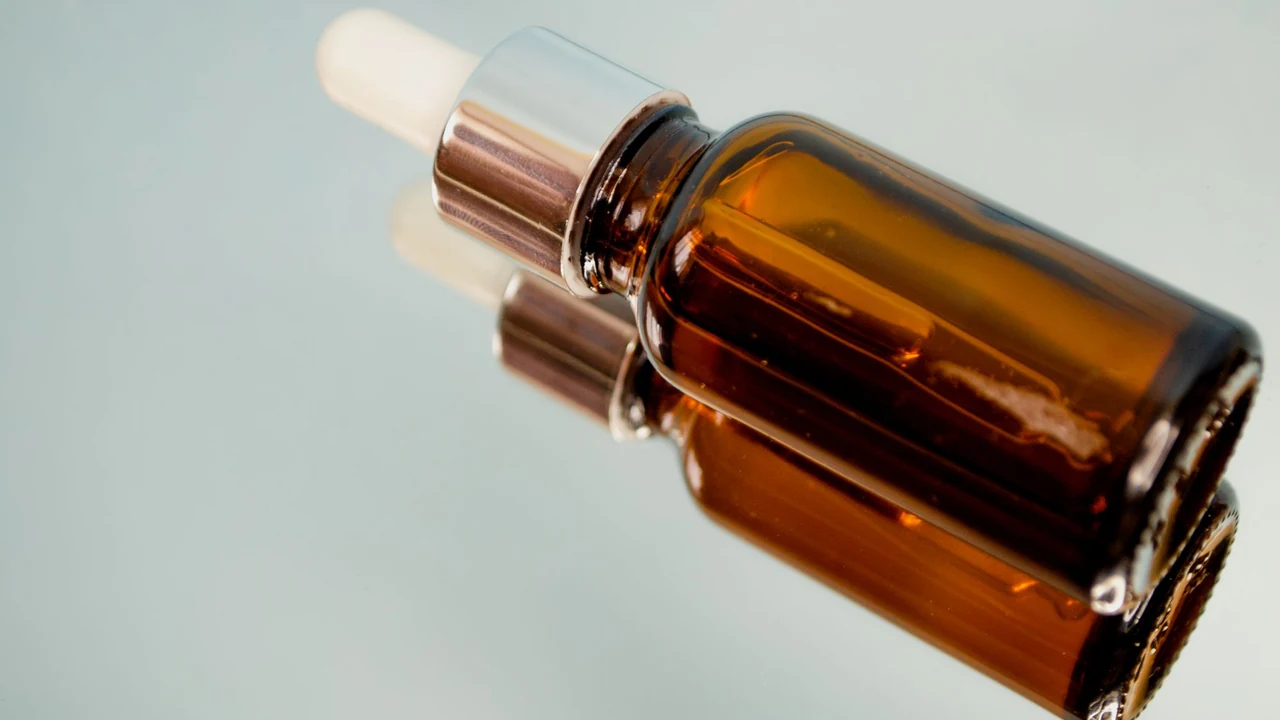
Illustrative licensed stock photograph. · Photo: Mirа Fialkova · pexels.com
View full size ↗If you decide to change products, doubling up on retinol and retinal is not a necessary transition step. You are comparing routines, not trying to collect every version of the ingredient.
Keep the rest of the routine simple and stable while you assess the new product. Record when you used it and whether the skin was comfortable rather than relying on memory after several changes.
If you use a prescribed retinoid or another treatment, ask the prescriber before layering a cosmetic retinoid into that plan. Over-the-counter availability does not mean every combination is useful.
Sunscreen remains a separate essential step
A night-time product does not replace morning sun protection. Keep a sunscreen routine you can follow comfortably, particularly when outdoor time is substantial.
Do not reduce sunscreen to make a new serum sit better under makeup. If layering becomes a problem, simplify optional steps and compare formulas rather than cutting the protective layer.
The sunscreen-in-Bali guide covers the practical day-to-day plan. A skincare upgrade that makes the rest of the routine harder may not be an upgrade in practice.
When to get individual advice
Avoid retinoids during pregnancy and discuss suitable alternatives with a healthcare professional. Ask for individual advice if you are trying to conceive, have a persistent skin condition or are unsure how a product fits prescribed treatment.
A painful or significant reaction needs reassessment. Do not let a claim about rapid results persuade you to ignore persistent burning, swelling or a worsening rash.
A better shopping decision
If you are comparing two bottles, write down the exact ingredient, product directions, the concern you want to address and the routine you can realistically maintain. Ask what evidence supports the claimed result for that formulation.
Choose the product that fits those answers. Retinal's position in a conversion pathway is useful context, but it is not a substitute for comparing the complete product. You do not need to chase the next retinoid name when the current routine is comfortable and serves your goal.
Instructions & useful references
- A Clinician's Guide to Topical RetinoidsJournal of Cutaneous Medicine and Surgery · Retinol→retinaldehyde→retinoic acid; formula and tolerability distinctions, pregnancy avoidance.
- Retinoid or retinol?AAD · Gentle introduction, irritation, pregnancy and skin context.
Sources checked on October 1, 2026. This guide provides general information, with practical planning suggestions. It is not an individual treatment plan.