

Retatrutide Weight-Loss Plateau: A Practical Review Before Changing Anything
Everyday guidesPublished 4 min readhow to
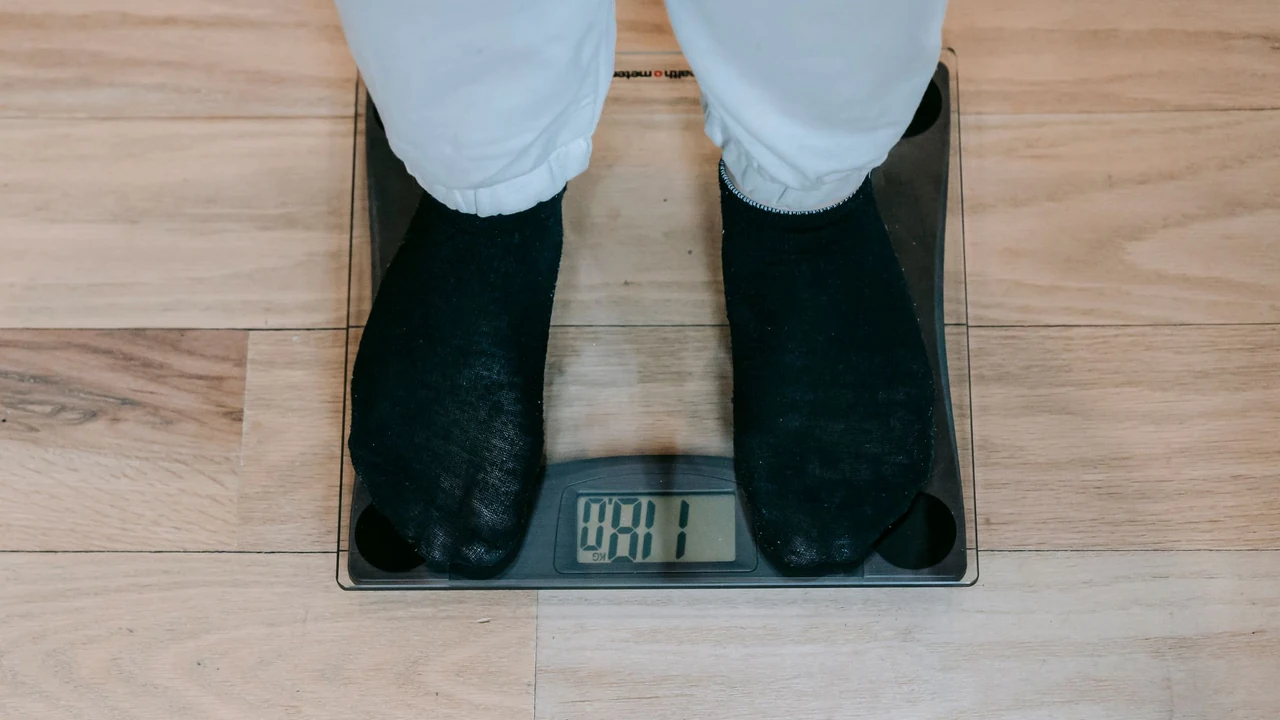
Review a retatrutide weight-loss stall with comparable measurements, meal patterns and activity before changing your plan.
Illustrative licensed stock photograph. · Photo: Andres Ayrton · pexels.com
The short answer
A few flat readings do not establish a plateau. Review the longer pattern and clinical context; do not automatically increase an amount or add another compound.
Table of Contents
- Decide what has actually stopped changing
- Separate a flat scale from a flat overall trend
- What “no plateau in the trial” does and does not mean
- Review the routine without blaming yourself
- Check the product record separately
- Leave the appointment with an agreed question and review date
- Sources
- Explore this topic
A few unchanged scale readings are not enough to diagnose a retatrutide weight-loss plateau. Start with comparable measurements, then review the longer pattern, food intake, activity and symptoms. A stall is a reason to understand what is happening, not an instruction to increase an amount or add another compound.
This review is especially useful when travel, café meals, heat and changing training routines make your Bali weeks difficult to compare.
Decide what has actually stopped changing
Write down the first date of the apparent stall and the measurements behind it. “My weight has stayed around the same range for several weeks” is a useful description. “Nothing is happening” leaves out the information needed to assess it.
Check the scale surface, time of day and clothing. Use one device. NHS guidance recommends consistent weighing conditions; our weighing guide explains how to make that routine practical. NHS recording guidance.
If you record a weekly average, keep the number and timing of observations reasonably comparable. An average based on one post-flight reading should not be treated as equivalent to a week of morning readings.
Separate a flat scale from a flat overall trend
Add a consistently measured waist and one repeatable activity observation. Do clothes fit differently? Has the usual workout changed? Is food intake manageable? These questions help describe the situation without claiming that every stalled scale conceals fat loss.
Record recent constipation, travel, menstrual timing where relevant, unusually salty meals and demanding exercise. These are context, not a licence to dismiss a persistent issue. If the pattern remains flat, bring the record to a clinical review rather than continually inventing reasons to ignore it.
What “no plateau in the trial” does and does not mean
The phase 2 retatrutide obesity report described continued weight reduction through the 48-week treatment period, without a clear group-level plateau in the reported trajectory. That observation does not mean each participant lost weight every week, or that an individual stall proves a product has failed. Phase 2 trial.
A group curve averages people with different responses. It is not a troubleshooting algorithm. There is no personal dose change hidden inside the slope of the published graph.
Review the routine without blaming yourself

Illustrative licensed stock photograph. · Photo: Pixabay · pexels.com
View full size ↗Look at a few representative days, including a weekend. Note meal structure, drinks, snacks and training. The purpose is to find a practical mismatch: for example, lunch becoming too small to support an evening session, followed by a different eating pattern later.
Avoid making the review a punishment. Cutting food further is not automatically the right response, particularly if you are already struggling to eat or feeling weak. General weight-management guidance recognizes that people may need ongoing support rather than a single instruction to try harder. NHS overview of obesity care.
One clear adjustment is easier to evaluate than six simultaneous changes. You might restore a regular lunch, make the walking routine consistent, or improve the quality of the measurement log. Medication decisions belong with the clinician responsible for care.
Check the product record separately
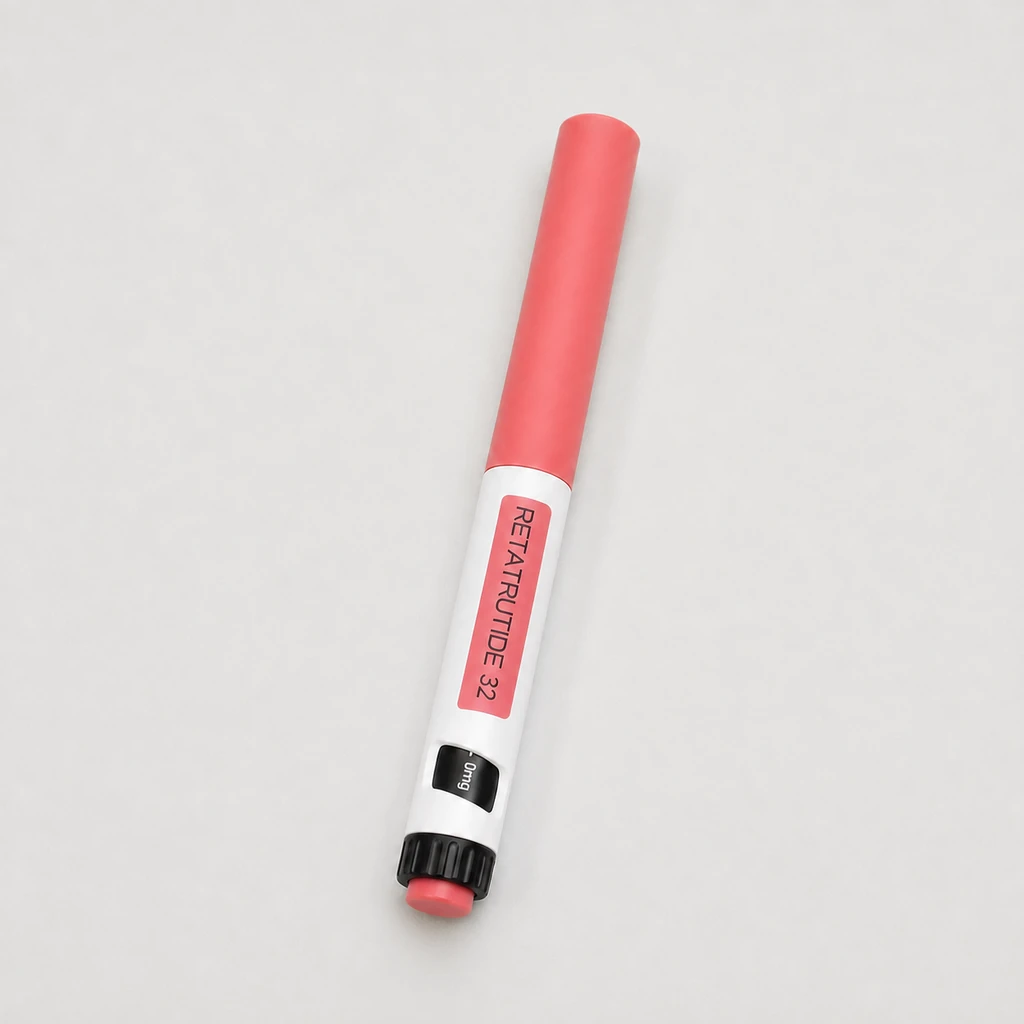
Bring the exact product name, label, total content, batch details and any supplied instructions to the review. Note interruptions or storage questions. Do not infer concentration or device output from a headline amount on a box.
The Retatrutide product page can help you identify the listed format. If a supplied item does not match its description, contact the seller about the discrepancy. A slower scale trend alone cannot confirm or disprove the identity of a product.
Leave the appointment with an agreed question and review date
A concise summary could be: “The comparable weight range has been stable since this date; waist and usual activity have changed in these ways; these symptoms or practical problems are present.” This is much more actionable than asking which extra product will restart weight loss.
Ask what would count as a meaningful change, which measurements to keep, and when to review again. Seek earlier care for significant symptoms rather than waiting for the planned check. The value of a plateau review is a better-informed next decision, not a promise of uninterrupted weekly loss.
Instructions & useful references
- How to record your weightNHS England · Consistent time, scale and weighing conditions; comparable records.
- Retatrutide phase 2 obesity trialNew England Journal of Medicine · 338 adults with obesity without diabetes; 48-week trial; highest-dose group average 17.5% at 24 weeks and 24.2% at 48 weeks. Group averages do not predict individual trajectories.
- Overweight and obesityNHS · Weight management includes nutrition, activity and appropriate clinical assessment.
Sources checked on October 9, 2026. This guide provides general information, with practical planning suggestions. It is not an individual treatment plan.