

Retatrutide and Type 2 Diabetes: Reading TRIUMPH-2 Results
Bali & IndonesiaPublished 3 min readcomparison
Why retatrutide weight-loss and A1C results in type 2 diabetes need their own comparison, and what the TRIUMPH-2 findings mean for product research.
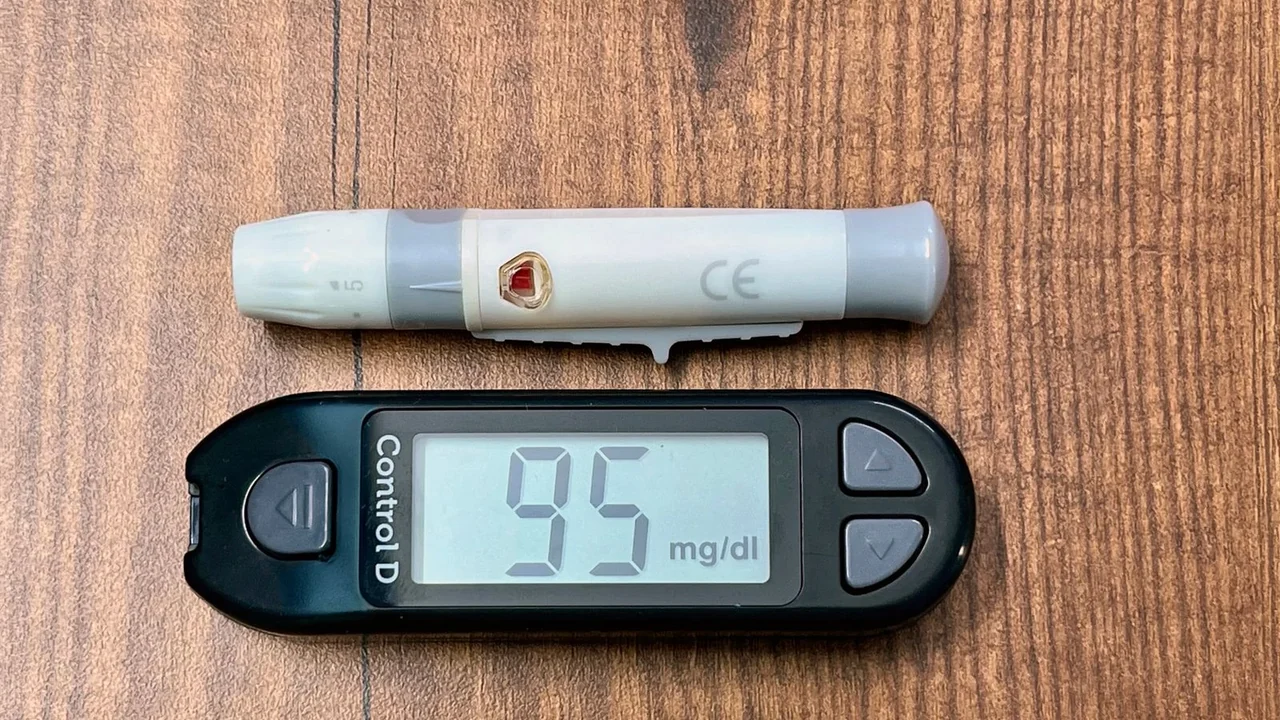
Illustrative stock photograph; not a customer, clinical result or product-testing record. · Photo: Arunangshu Banerjee
The short answer
TRIUMPH-2 studied retatrutide in adults with type 2 diabetes and obesity or overweight. Its results answer a different clinical question from an obesity trial that excludes diabetes. For a reader comparing headlines, the population belongs beside the percentage.
Table of Contents
- What the diabetes trial reported
- Why the no-diabetes headline is different
- Weight and A1C use different units
- Bring the relevant question to the product comparison
- Sources
- Explore this topic
TRIUMPH-2 studied retatrutide in adults with type 2 diabetes and obesity or overweight. Its results answer a different clinical question from an obesity trial that excludes diabetes. For a reader comparing headlines, the population belongs beside the percentage.
What the diabetes trial reported
Lilly's July 2026 topline report describes an 80-week, placebo-controlled study. Under the efficacy estimand, the highest retatrutide assignment produced a mean 20.8% weight reduction, compared with 4.0% for placebo. The report also describes improvements in A1C, a measure of longer-term glucose exposure. These are sponsor-reported trial findings, not outcomes measured in customers buying a retail pen. [4]
Why the no-diabetes headline is different
A person searching for retatrutide weight loss may encounter a larger percentage from TRIUMPH-1. That study concerned a population without diabetes. It would be misleading to turn the difference between two trial averages into a prediction about what diabetes will change for one individual. [3]
The trials did not randomly assign people to have or not have diabetes. Their participants, background care and starting characteristics were different. Comparing results across studies can reveal useful questions, but it cannot isolate the cause of every numerical difference.
Think of two classroom averages: knowing which class scored higher does not tell you how the same pupil would have performed in both rooms. The same distinction applies when a buyer tries to make a personal forecast from two research populations.
Weight and A1C use different units

Illustrative stock photograph; not a customer, clinical result or product-testing record. · Photo: Vanessa Loring / Pexels
View full size ↗Weight reduction is often presented as a percentage of starting body weight. A1C is itself reported as a percentage, so its change is more clearly described in percentage points.
For an arithmetic illustration, moving from 8.0% to 6.5% A1C is a fall of 1.5 percentage points. It is not a loss of 1.5% of body weight. This example explains the units; it does not forecast a treatment response or define an individual target.
When taking notes from an article, use two separate columns: the glucose outcome and the weight outcome. Add the week and the comparison group to each. That small habit prevents a striking number from losing the detail that makes it interpretable.
Bring the relevant question to the product comparison
For someone living with diabetes, current treatment and glucose records belong in a clinical discussion. A weight-loss headline alone cannot decide whether another treatment should be started, stopped or substituted. Retatrutide remains investigational in the developer's current information. [2]
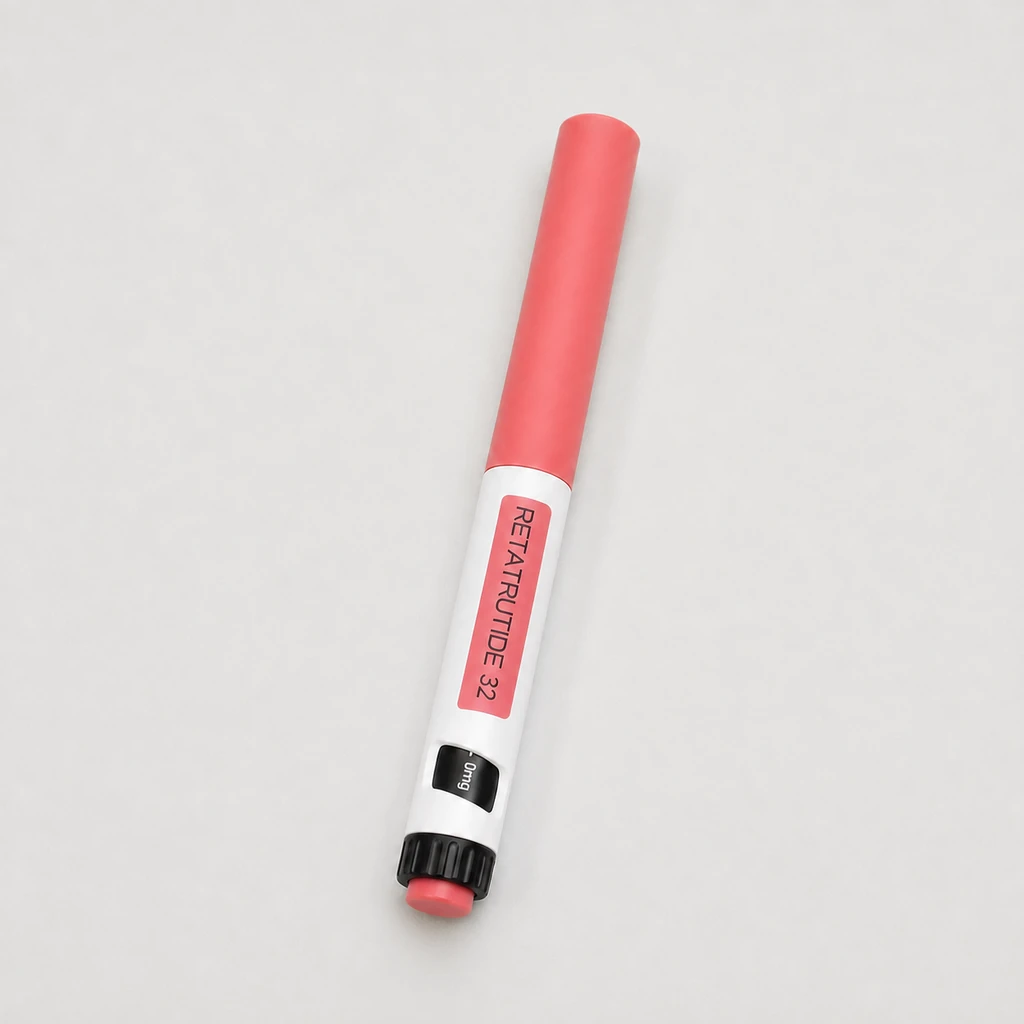
The Retatrutide listing describes a pen with 32 mg of labelled total contents. That is a commercial pack specification, not the TRIUMPH-2 treatment assignment or proof that the finished product matches the research preparation. [1]
Use the study to understand the diabetes research question and the product documents to identify the item being offered. Keeping both descriptions precise makes a comparison more useful than borrowing the largest percentage from another population.
Instructions & useful references
- retatrutide product presentationPeptides in Bali · Actual labelled contents and presentation, not evidence of a clinical outcome.
- What to know about retatrutideEli Lilly and Company · Investigational status, triple receptor mechanism and absence of retail-product equivalence.
- Retatrutide TRIUMPH-1 and 104-week extensionEli Lilly and Company · 80-week efficacy and treatment-regimen estimands; selected 532-person extension population and 104-week results.
- Retatrutide TRIUMPH-2 and TRIUMPH-3 topline resultsEli Lilly and Company · TRIUMPH-3 cardiovascular event estimates and confidence intervals; distinguish exploratory events from weight and biomarker outcomes.
Sources checked on October 16, 2026. This guide provides general information, with practical planning suggestions. It is not an individual treatment plan.