

Retatrutide and Muscle Loss: What to Measure Alongside Your Weight
Everyday guidesPublished 4 min readhow to
Understand fat mass, lean tissue and strength during retatrutide-related weight loss, with a simple record for clinical review.
Illustrative licensed stock photograph. · Photo: Jason Morrison · pexels.com
The short answer
Track strength and function alongside comparable weight and waist measurements. Lean mass is not the same as muscle, and the retatrutide substudy did not show zero lean-tissue loss.
Table of Contents
- What the direct body-composition evidence shows
- Lean mass and muscle are different measurements
- Choose a strength check you can repeat
- Protect the meal routine before adding complexity
- Train for consistency, then review the response
- Use a combined review, not a single percentage
- Sources
- Explore this topic
Retatrutide-related weight loss should not be judged by the scale alone. Fat mass, lean tissue and physical function answer different questions. The available body-composition study does not establish that all lost weight is fat, and a smart scale's “muscle” number cannot settle the question for one person.
If keeping strength matters to you, track a small set of repeatable measurements and discuss nutrition and training alongside weight change.
What the direct body-composition evidence shows
A phase 2 substudy in adults with type 2 diabetes assessed body composition with DXA over 36 weeks. It enrolled 189 people; 103 completed treatment with both baseline and end-of-treatment scans. Retatrutide reduced fat mass, while the proportion of lean-mass loss relative to weight loss was described as similar to other obesity treatments. Original substudy.
That is a more limited conclusion than “retatrutide preserves every gram of muscle.” The population had diabetes, the scan subset was smaller than the original enrolled group, and lean mass is not identical to skeletal muscle. The paper does not establish the effects of a particular gym program, protein target or retail pen.
Lean mass and muscle are different measurements
Lean tissue includes more than the muscles you train. A change in a body-composition estimate can involve water and other tissues as well as muscle. Even a useful clinical scan needs interpretation in context.
Home bioimpedance devices add another layer: their estimates depend on an electrical measurement and a model. A different hydration state can change the reading without demonstrating a corresponding overnight change in muscle tissue. Record the device and conditions if you use one; avoid comparing percentages from different devices as if they were a single continuous measurement.
For an introduction to the broader issue, see our guide to muscle during GLP-1 weight loss. The practical question is whether the measurement will change a decision, rather than whether another graph is available.
Choose a strength check you can repeat
Pick movements already familiar and appropriate for you. Record the exercise, load, repetitions and how difficult it felt. Keep the setup comparable: the same machine, seat position and range of movement where possible.
A sudden personal-best attempt is a poor monitoring tool. So is comparing a rested session in an air-conditioned gym with a session after a long flight and little food. A simple log makes those differences visible.
You can also note ordinary function: carrying usual shopping, getting up from a chair or completing a familiar walk. These observations do not diagnose muscle loss, but they give a clinician or qualified exercise professional something concrete to assess.
Protect the meal routine before adding complexity
Illustrative licensed stock photograph. · Photo: Annushka Ahuja · pexels.com
View full size ↗With a smaller appetite, it is easy to eat less protein simply because you eat less of everything. Review where protein appears in the day. Does breakfast contain any? Is lunch mostly a drink? Is dinner doing all the work?
A useful first step is to include a manageable protein-containing food at regular meals, then review total needs with an appropriate professional. Kidney disease and other medical circumstances can alter advice; an online bodybuilding target is not a universal requirement.
Cambridge University Hospitals advises people using tirzepatide to include protein and muscle-strengthening activity. This supports the general discussion of weight-loss care, rather than proving a specific retatrutide training protocol. Dietary advice.
Train for consistency, then review the response
Keep a program that fits your current capacity. Our two-day strength-training guide can help organize the basics. If you are new to training, returning after injury or experiencing unexplained weakness, get an assessment before increasing demands.
Reducing food sharply while adding much more training makes it harder to interpret fatigue. Change one practical feature at a time where possible, such as restoring lunch or returning to a manageable session length. A brief note about the change helps the next review.
Use a combined review, not a single percentage
Bring weight trend, waist method, strength log, food-intake concerns and any scan report together. Include the complete report rather than a screenshot of one highlighted result. Persistent weakness, dizziness or inability to maintain food and fluid intake should be discussed promptly.
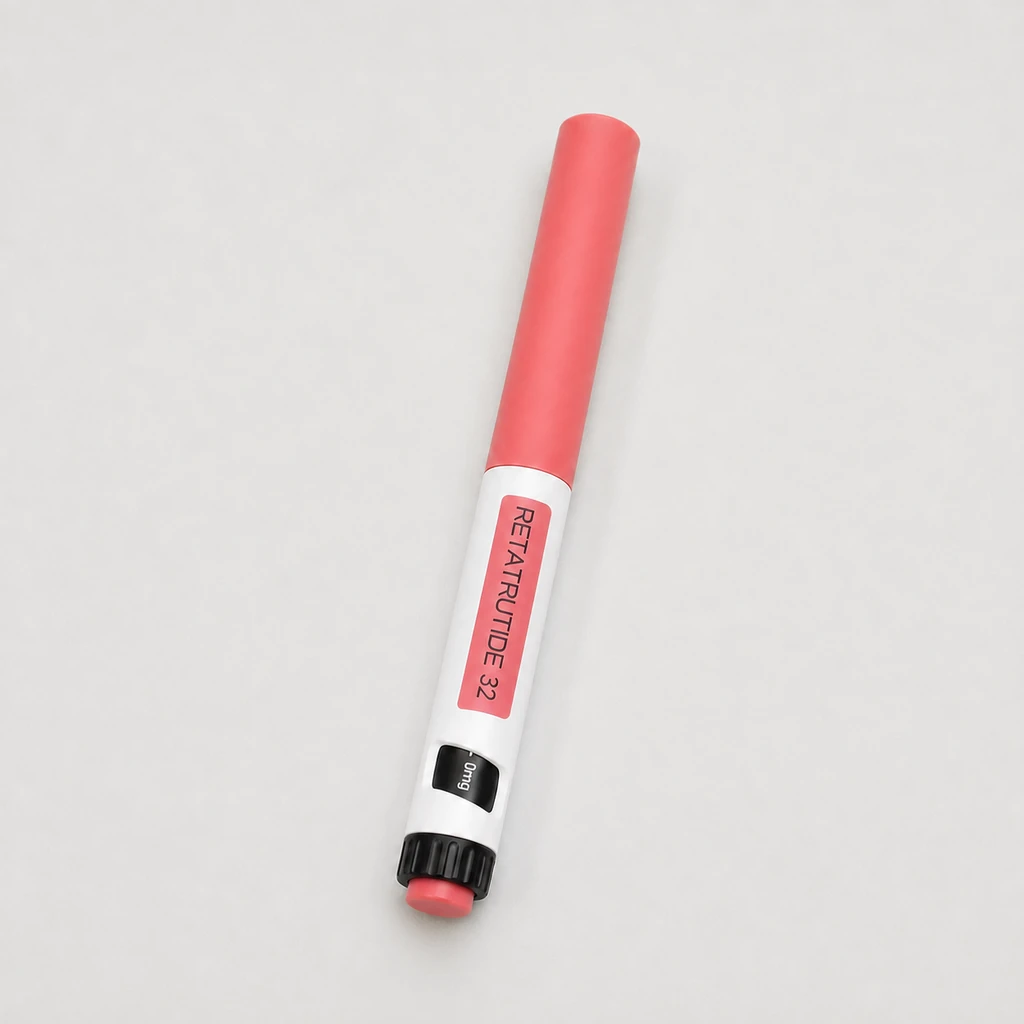
The Retatrutide listing identifies the catalog product. It does not prove a muscle-preserving effect. A useful decision rests on your clinical circumstances and repeatable measurements, with research interpreted at the level it actually supports.
Instructions & useful references
- Retatrutide body-composition substudyOriginal clinical study / PubMed · Type 2 diabetes, 36 weeks; 189 enrolled, 155 baseline DXA, 103 both scans. Lean-mass loss was not zero; lean tissue is not identical to skeletal muscle.
- Dietary advice for people using tirzepatideCambridge University Hospitals · Protein, adequate nutrition and activity with appetite change. Tirzepatide patient guidance is context, not a retatrutide-specific prescription.
Sources checked on October 9, 2026. This guide provides general information, with practical planning suggestions. It is not an individual treatment plan.