

Retatrutide and Alcohol: The Questions a Drink Calculator Cannot Answer
Everyday guidesPublished 4 min readhow to

Calculate alcohol units and prepare a useful discussion of food, symptoms and medicines around retatrutide.
Illustrative licensed stock photograph. · Photo: Rachel Claire · pexels.com
The short answer
An alcohol-unit calculation describes the drink, not its safety with retatrutide. Review the whole medication and health context rather than inventing a safe waiting interval.
Table of Contents
- What a drink calculation can tell you
- Why food intake and other medicines matter
- Three situations that need different conversations
- Make the information easy to share
- What retatrutide evidence does not settle
- Sources
- Explore this topic
There is no established retatrutide-specific number of drinks or waiting period that makes alcohol safe. Retatrutide is investigational, and advice for another medicine cannot fill that evidence gap. If you are assessing alcohol use alongside appetite changes or other medicines, the useful starting points are the actual amount of alcohol, food intake, symptoms and your medical history.
“One drink” is a particularly weak measurement. A large beer, a generously poured wine and a cocktail may contain very different amounts of alcohol. In a restaurant or beach club, the glass size tells you little about the amount of spirit inside it.
What a drink calculation can tell you
The NHS alcohol-unit method uses the drink's volume and alcohol-by-volume percentage, or ABV. In UK units, multiply millilitres by the ABV number and divide by 1,000. Other countries define a standard drink differently, so retain the unit system in your notes.
These hypothetical examples show the arithmetic:
| Known serving | Calculation | UK units |
|---|---|---|
| 330 ml beer at 5% | 330 × 5 ÷ 1,000 | 1.65 |
| 500 ml beer at 5% | 500 × 5 ÷ 1,000 | 2.5 |
| 150 ml wine at 12% | 150 × 12 ÷ 1,000 | 1.8 |
| 45 ml spirit at 40% | 45 × 40 ÷ 1,000 | 1.8 |
Adding soda or ice changes the concentration in the glass, not the amount of alcohol poured into it. A cocktail with two spirit measures requires both to be counted. When the quantity or strength is unknown, a precise-looking unit total is not reliable.
This calculation measures alcohol. It does not provide a retatrutide interaction threshold, a driving clearance time or a way to cancel an interaction by drinking water.
Why food intake and other medicines matter
An evening can look very different when you have eaten little because your appetite is low. Record that context rather than assuming your previous experience with alcohol will apply unchanged.
For people with diabetes, NIDDK's information on low blood glucose identifies alcohol without enough food and certain glucose-lowering medicines as relevant risks. If you use insulin or a sulfonylurea, ask your diabetes team how alcohol fits with your existing plan. This is not a claim that every retatrutide user will develop hypoglycaemia.
Bring the complete medication list, including sleep aids, pain medicines and occasional products. The FDA's interaction guidance includes drug–beverage interactions among the reasons a pharmacist needs more than the name of the newest medicine.
Three situations that need different conversations
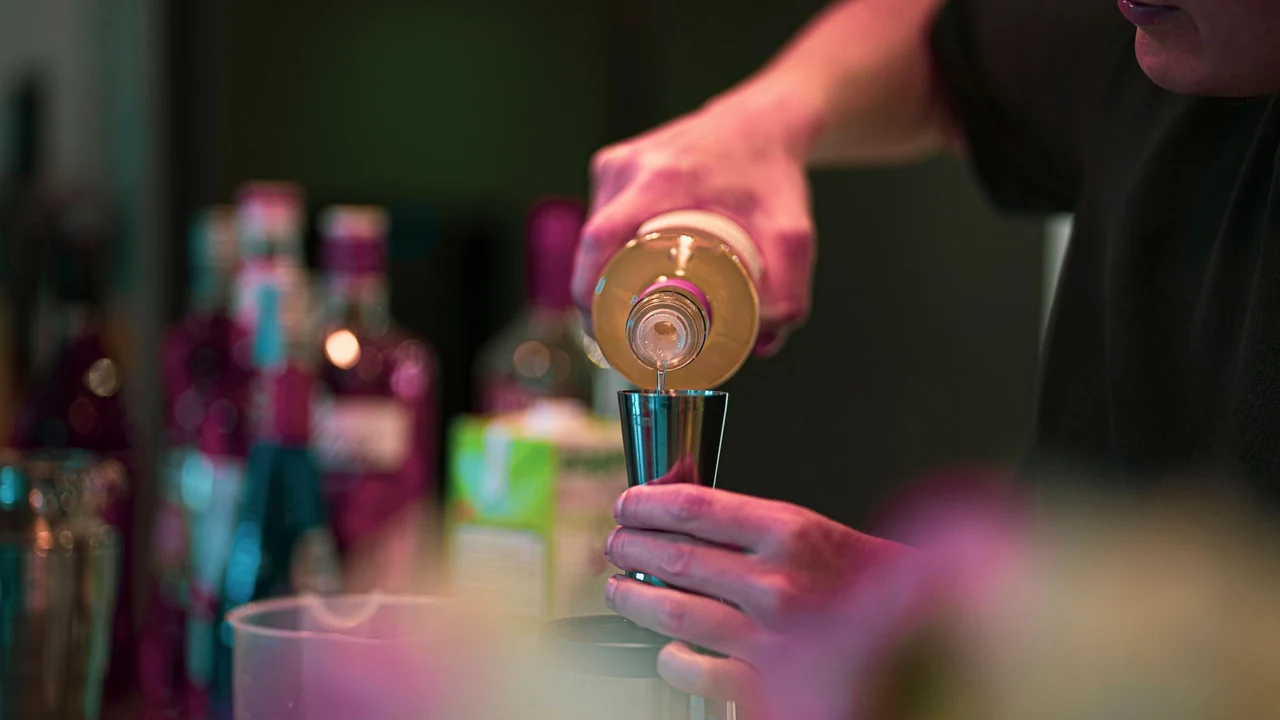
Illustrative licensed stock photograph. · Photo: James Dollin · pexels.com
View full size ↗You are planning an evening out and feel well. Do not search for an unofficial number of “safe days after the injection.” If you need an interaction assessment, ask the clinician or trial team who knows the exact product and your medicines. An alcohol-free option avoids having to solve that uncertainty at the table.
You already feel nauseated, are vomiting or cannot manage normal food and fluids. Treat the symptoms as the problem to assess. Avoid using alcohol tolerance as a test of whether you are improving. Contact a healthcare professional, especially if symptoms persist or you cannot keep fluids down.
You drank and now feel unwell. Tell the person assessing you what, how much and when you drank, what you ate, and every medicine or product used. Do not assume severe abdominal pain, confusion, fainting or repeated vomiting is “just a hangover”; seek urgent care for severe symptoms.
These situations should not be reduced to one blanket instruction to skip, delay or double a medicine. Changing a prescribed plan needs the responsible clinician, and a trial participant should contact the study team.
Make the information easy to share
A short note can be more useful than an argument about whether a drink was “small.” Record the brand or ABV if known, serving volume, approximate time, food eaten, symptoms and relevant medicine timing. You do not need to publish the note or log every detail indefinitely; keep it for the assessment it is intended to support.
For example: “Two 330 ml bottles labelled 5%, between 19:00 and 21:00; ate half my normal dinner; nausea started around 22:00.” This is a fictional reporting example. It describes an exposure and sequence without diagnosing the cause.
What retatrutide evidence does not settle
Lilly's current information describes retatrutide as an investigational treatment. A trial weight-loss percentage is not an alcohol-interaction study, and an unknown retail preparation introduces additional uncertainty about what was taken.
If you are reducing alcohol because appetite, sleep or routine has changed, make that choice practical: choose the drink in advance, keep a meal in the plan and arrange transport that does not depend on you driving. The aim is a workable evening and clear information, rather than a calculator result that promises more than it can establish.
Instructions & useful references
- Calculating UK alcohol unitswww.nhs.uk · UK units equal ABV percent multiplied by millilitres divided by 1000; not a drug-interaction safety threshold.
- Low blood glucosewww.niddk.nih.gov · Alcohol without food and glucose-lowering medicines can matter in hypoglycaemia assessment; no retatrutide-specific safe intake inferred.
- Understanding drug interactionswww.fda.gov · Medication review includes prescription medicines, nonprescription products, supplements and alcohol.
- Retatrutide development statuswww.lilly.com · Current developer page checked October 11: retatrutide remains investigational; phase 3 results exist. No retail-product equivalence or approved personal regimen is inferred.
Sources checked on October 11, 2026. This guide provides general information, with practical planning suggestions. It is not an individual treatment plan.