

A Resistance-Band Workout for Travel Days
Everyday guidesPublished 5 min readhow to
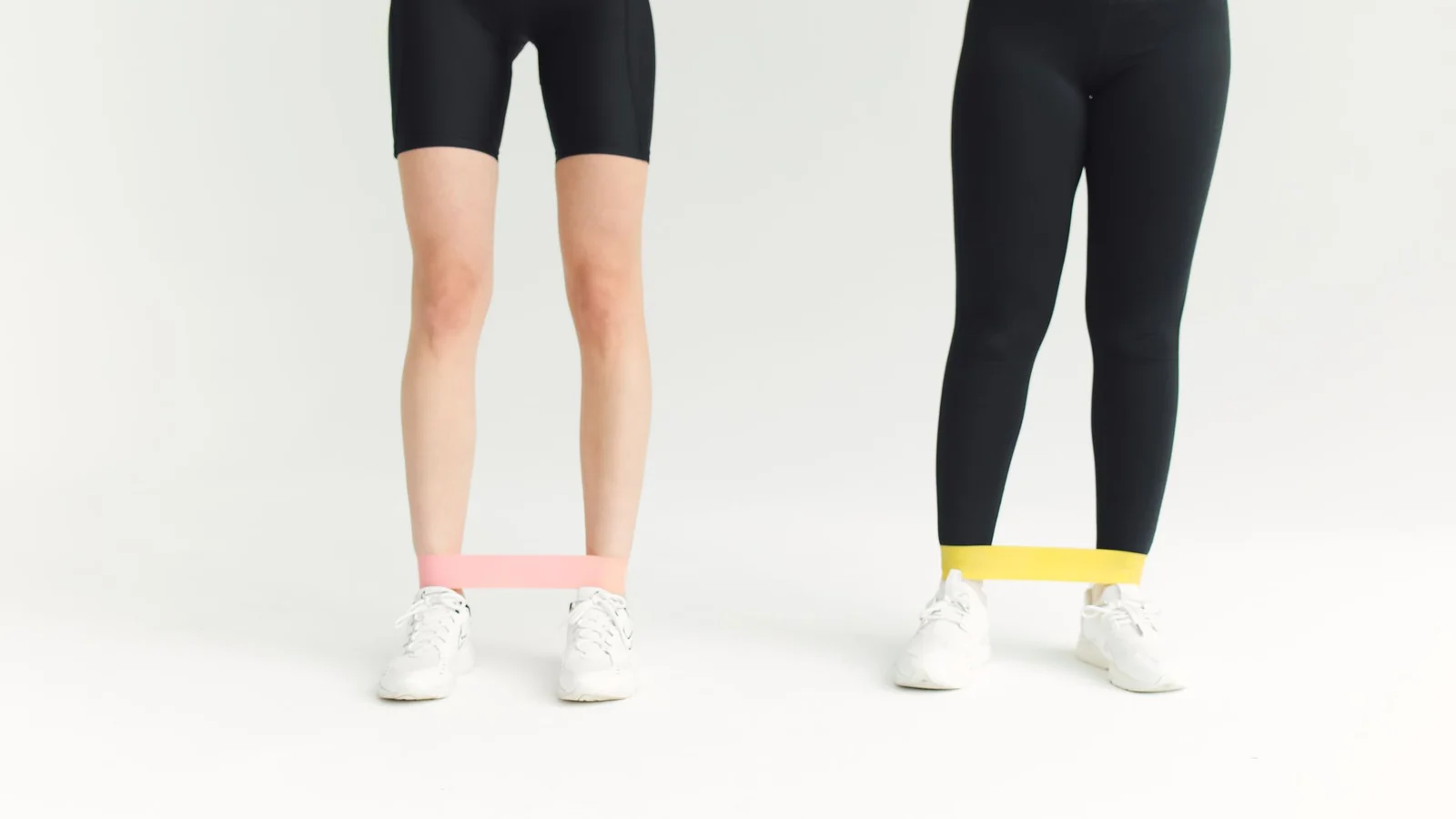
Build an adaptable travel workout with a resistance band, familiar movements and a clear setup. Check equipment, avoid makeshift anchors and record resistance.
Illustrative short-band exercise; follow the setup instructions for your own equipment and movement. · Photo: Polina Tankilevitch · pexels.com
The short answer
Use a suitable band and familiar movements to build an adaptable travel session. Check the band and space first, follow the manufacturer’s setup and stretch limits, and choose controlled repetitions. A small routine is a travel option, not a promise to replace every gym program.
Table of Contents
- Pack for the movements you already know
- Check the band and the space
- Choose a small movement menu
- Adjust the challenge without chasing failure
- Save the setup, not just the repetition count
- Sources
- Explore this topic
Pack for the movements you already know
A resistance-band travel workout is most useful when you can set it up consistently. An unfamiliar band in a small hotel room is not automatically easier to use than familiar equipment at home. Choose the movements first, then pack a band that is intended for them.
Short loops, long flat bands and handled tubing suit different setups. Follow the instructions for your actual equipment, including stretch limits and attachment methods. Colour alone is not a reliable way to compare resistance across brands. If you normally use a lighter option for some exercises, allow for that before you pack.
The ACSM's 2026 guidance summary recognizes the usefulness of bands, bodyweight and home-based training. Its emphasis is on regular, appropriate training. It does not establish that every short holiday routine is equivalent to a specialist gym program.
Check the band and the space
Look for tears, cracks, punctures and other damage before each session. The NHS band-safety leaflet also highlights excessive stretching, insecure anchors and recoil near the head or eyes. Replace damaged equipment rather than hoping it will last one more trip.
Clear a dry area with enough room to move. Keep the band away from sharp edges and follow its care instructions, including protection from heat and direct sun. A balcony railing, decorative table or unknown hotel door is not a verified anchor. This example avoids improvised room attachments altogether.
If an exercise uses a band held under your feet, use the manufacturer's intended setup and a familiar movement. Anchor-free does not mean risk-free: check that the band can stay secure and that its potential recoil path is away from your face.
Choose a small movement menu
The table below is an original planning example for adults already comfortable with these movements. It is not a tested rehabilitation program or a requirement to do every row. If you have an injury or an existing rehabilitation plan, use the modifications given for you.
| Movement | A familiar option | A simpler choice |
|---|---|---|
| Squat pattern | A band squat using the equipment's intended setup | Bodyweight squat or controlled sit-to-stand |
| Hip hinge | A familiar hinge with a suitable long band held under the feet | Unloaded hinge practice |
| Pull | A familiar band row with a secure, manufacturer-approved foot-held setup | Use a pulling movement you already know safely, or omit it until suitable equipment is available |
| Push | Wall push-up or another familiar bodyweight push | Use a more upright, manageable wall position |
| Optional arm work | A familiar band curl within the equipment's limits | A lighter band or fewer controlled repetitions |
For a sit-to-stand, use a stable chair and rise and lower with control rather than dropping into the seat. For a wall push-up, place your hands on a stable wall, keep your body aligned and bend and straighten your elbows in a comfortable range. Do not use an unstable piece of furniture to make an exercise more difficult.
A bodyweight movement belongs perfectly well in a band session. There is no need to force every exercise to use the band or invent an attachment simply to complete the table.
Adjust the challenge without chasing failure
Start with a version you can control and rest as needed. The CDC describes eight to twelve repetitions as a general strengthening example, but that is not a compulsory range for every exercise, band or ability. A manageable introductory set can help you check the setup before deciding whether more work is appropriate.
Stop a movement that causes sharp pain. End the set before technique becomes uncontrolled, and do not keep shortening or stretching a band beyond its limits to manufacture resistance. Appropriate challenge and an equipment limit are different things.
If you want to progress over repeated sessions, change one element you can record: the band, the repetitions or the number of suitable sets. Keep the movement and setup comparable so you know what changed.
Save the setup, not just the repetition count
A useful note contains four items: movement, band, setup and controlled repetitions. “Row, light long band, familiar foot-held setup, comfortable set” tells you more than a bare number. Add how it felt and the next adjustment, if any.
Fit the session around realistic travel plans. A short visit, long transfer or poor night's sleep may change what is manageable. Our two-day strength-training guide covers organizing sessions across a week, while the muscle-soreness guide explains a separate question about the days after training.
Before leaving home, save the setup instructions for the exercises you already use. A familiar, repeatable routine is a more useful travel companion than a long list of new movements you cannot confidently set up in your room.
Instructions & useful references
- ACSM Resistance Training Guidelines Update 2026American College of Sports Medicine · Official summary: regular training, bands/bodyweight and individual tailoring; no universal travel circuit.
- Safety Advice when exercising with Resistance Bands or TubingAneurin Bevan University Health Board · Inspect wear, avoid excessive stretch and insecure anchors; protect from heat, sun and sharp edges.
- What Counts as Physical Activity for AdultsCenters for Disease Control and Prevention · Bands can provide strengthening; 8–12 repetitions is a general example, not a compulsory range.
Sources checked on September 26, 2026. This guide provides general information, with practical planning suggestions. It is not an individual treatment plan.