

Protein Before or After a Workout? Start With the Meals Around It
Everyday guidesPublished 4 min readhow to
1:31 · English narration Continue reading the article ↓
Video chapters
Read the video transcript
A protein-containing meal before training changes what you need afterwards. Build the plan around your actual day, not a stopwatch.
Before deciding on protein before or after training, look at the meals around it. A protein-containing lunch before the gym is a different situation from training after a long stretch with no food available.
A small ten-week trial in trained men found similar adaptations with protein immediately before or after training. It does not settle every situation, but it challenges the idea that only one narrow post-workout window can work.
If you train before breakfast, organise breakfast. If you have a long journey home, plan something portable. If dinner is ready nearby, a separate shake may add little. Choose around the actual gap in your day.
A large meal right before training or a forced shake immediately afterwards may feel uncomfortable. Adjust the arrangement to what you tolerate. The goal is a repeatable pattern of adequate food, not completing a supplement ritual.
The day's overall protein pattern deserves attention before you fine-tune one serving. Include protein-containing foods in ordinary meals. Follow individual advice if a medical condition changes your dietary needs rather than copying a study's serving size.
Prepare the next workout's meal plan before you leave. Notice hunger, comfort and whether the plan fits your schedule. An ordinary delay after exercise does not mean the workout was wasted; keep the whole day in view.
Download transcript · English captions · Footage and production credits
Illustrative Pexels footage, original explanatory graphics and music, with synthetic English narration. People shown do not endorse products.
A protein-containing meal before training changes what you need afterwards. Build the plan around your actual day, not a stopwatch.
The short answer
Protein before or after training can both fit a useful routine. Start with the protein-containing meals around the session and the day's overall intake. There is no universal rule that you must drink a shake within minutes of finishing, especially if you ate beforehand.
Table of Contents
- Start by drawing the day
- What a before-versus-after trial found
- A shake is an option, not a ritual
- Comfort can decide which side works better
- Do not count only the gym-day shake
- A two-session experiment
- Sources
- Explore this topic
Protein before and after a workout can both be useful; the meal pattern around the session matters more than racing to a shaker. If you ate a protein-containing meal before training and will eat again afterwards, you already have a routine to evaluate.
The harder situation is a long stretch without food: an early workout followed by a rushed commute, or an evening session after a missed lunch. In those cases, organising a meal may solve more than debating which side of the workout is theoretically perfect.
Start by drawing the day
Illustrative licensed stock photograph. · Photo: David Balbino · pexels.com
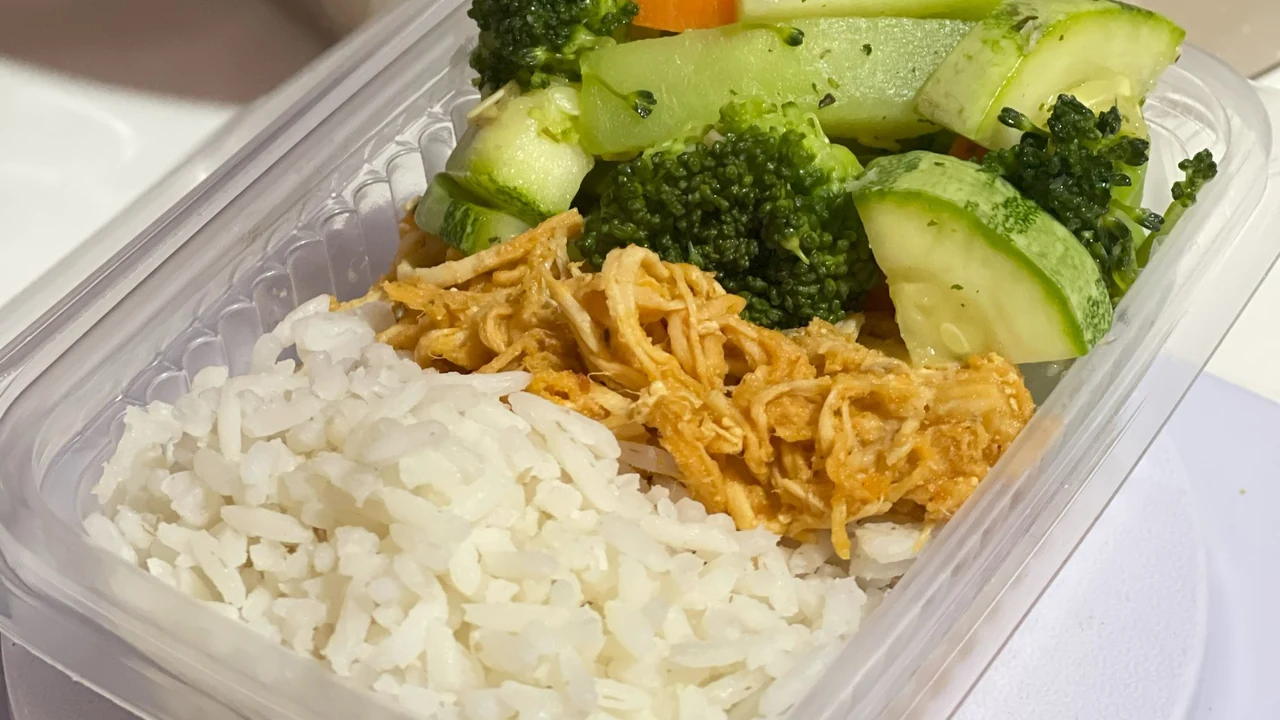
View full size ↗Write down when you last ate, when you train and when you expect to eat next. Include the food, not just the clock time. A coffee before the gym and a lunch with a meaningful protein source are different starting points.
Then ask whether the plan leaves an inconvenient gap. You do not need a minute-by-minute tracking app. A rough timeline often makes the problem obvious.
| Your day looks like this | Useful planning question |
|---|---|
| A regular lunch before afternoon training | What is the next ordinary meal? |
| An early session before breakfast | Can breakfast be ready afterwards? |
| A missed meal before an evening workout | What food can you comfortably organise before or after? |
| A long trip home from the gym | Would a portable snack prevent another missed meal? |
The aim is to make protein-containing food available when you can actually eat it.
What a before-versus-after trial found
A ten-week study in twenty-one trained men compared protein immediately before versus immediately after resistance training. The groups showed similar adaptations under the tested conditions.
This small study does not prove that timing is irrelevant in every situation. It does challenge the idea that only a very narrow post-workout window can produce results. It also cannot turn a specific study serving into the correct amount for every reader.
The International Society of Sports Nutrition position stand considers total protein and its distribution as well as timing. A daily pattern deserves attention before you fine-tune the position of one shake.
A shake is an option, not a ritual
A shake can be convenient when food is difficult to organise. It is not a different biological category of protein that must arrive as soon as the final set ends. An ordinary meal may fit perfectly well.
Consider the actual obstacle. If your gym is next to home and dinner is ready, carrying a shaker may add little. If you have a long journey with no food available, a portable option might make the day easier.
Our guide to protein snacks without a fridge addresses the practical storage problem. Choose an option you enjoy and can handle safely, rather than one selected only because it looks like a sports product.
Comfort can decide which side works better
Illustrative licensed stock photograph. · Photo: Kim 40 · pexels.com
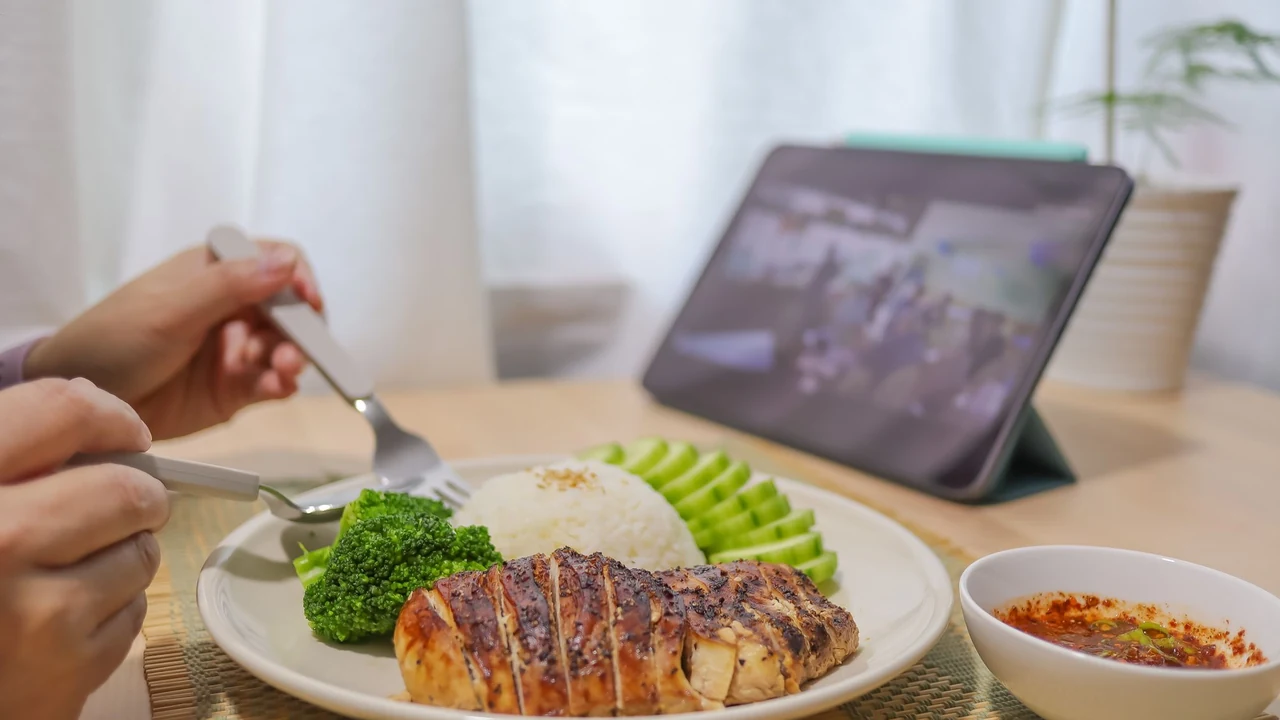
View full size ↗A large meal immediately before training can feel inconvenient even when its nutrients fit your plan. Conversely, forcing a large drink straight after a session may be unappealing.
Adjust the timing and meal size to what you tolerate, while keeping the overall day's food adequate. You can divide eating across meals instead of forcing everything into a single event.
For an evening session, planning dinner before you leave can be more valuable than buying another supplement. Our after-evening-workout meal guide offers ways to make that transition manageable.
Do not count only the gym-day shake
If breakfast and lunch are repeatedly low in protein, adding one carefully timed drink does not automatically organise the whole diet. Look at the meals you repeat most often.
Choose a recognisable protein source at the meals where it is currently missing. That might be eggs, yogurt, tofu, tempeh, beans, fish or meat, according to your diet. The precise mix can vary without making the routine ineffective.
If you have a medical condition requiring a protein restriction or individual dietary advice, use that plan rather than applying general sports-nutrition targets. This article is about organising meals, not setting a personalised intake.
A two-session experiment
For your next two comparable workouts, prepare the meal plan in advance. On one day, use a comfortable pre-workout meal and your normal meal afterwards. On the other, test a different convenient arrangement without intentionally going hungry.
Notice training comfort, hunger later and whether the plan survives your schedule. Do not try to infer muscle growth from how full you feel after a single drink.
Keep the version that is easiest to repeat. You can refine intake and meal distribution if needed, but there is no reason to treat an ordinary delay after training as a ruined workout. A useful protein routine belongs to the whole day.
Instructions & useful references
- Pre- versus post-exercise protein intake has similar effects on muscular adaptationsPeerJ · Matched immediate pre/post protein comparison; no narrow mandatory window established.
- International Society of Sports Nutrition Position Stand: protein and exerciseJISSN · Daily total, distribution and ongoing recovery; healthy exercising adults.
Sources checked on October 1, 2026. This guide provides general information, with practical planning suggestions. It is not an individual treatment plan.