




NAD+ vs MOTS‑c: What’s the Difference?
Everyday guidesPublished 6 min readcomparison

Compare NAD+ and MOTS-c by molecular role, human evidence and product claims. Learn what the research does—and does not—show about energy and metabolism.
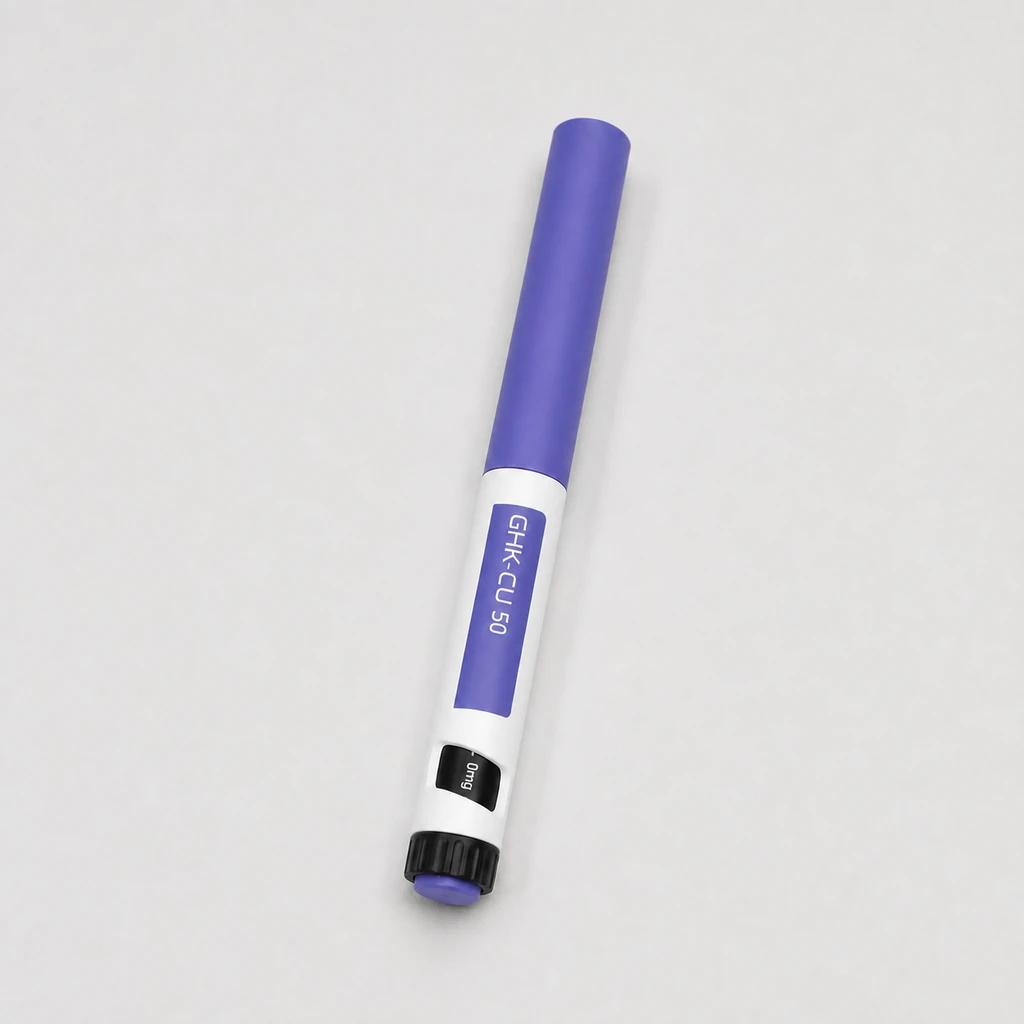
Illustrative licensed stock photograph. · Photo: Vladimir Srajber · pexels.com
The short answer
NAD+ is a coenzyme and MOTS-c is a mitochondrial-derived peptide. Their biological roles and studies differ. The evidence discussed here does not establish a head-to-head winner for everyday energy or a proven benefit from combining finished products.
Table of Contents
- NAD+ and MOTS-c at a glance
- What NAD+ does does not automatically tell you what a product does
- What MOTS-c research actually measured
- Compare claims using the same standard
- What about taking NAD+ and MOTS-c together?
- If tiredness is the reason you are looking
- Sources
- Explore this topic
NAD+ and MOTS-c are different molecules with different roles. NAD+ is a coenzyme involved in cellular energy reactions and other essential processes. MOTS-c is a small peptide encoded within mitochondrial DNA and studied as a metabolic signal. Their connection with metabolism explains why they appear in the same conversation, but it does not make them interchangeable or establish that using both improves energy.
The most useful comparison separates three questions: what the molecule does in the body, what a particular study tested, and what an actual product has been shown to do for people.
NAD+ and MOTS‑c at a glance
| Question | NAD+ | MOTS-c |
|---|---|---|
| What is it? | Nicotinamide adenine dinucleotide, a coenzyme | A mitochondrial-derived peptide containing 16 amino acids |
| Why is it discussed in metabolism? | It participates in reactions involved in extracting energy from food | It is studied in metabolic signalling and responses to exercise and stress |
| What human research is discussed here? | A small intravenous study of NAD+ and related metabolites | Measurements of the body's own MOTS-c around exercise |
| What should not be inferred? | A biochemical change proves better cognition or everyday energy | An exercise-associated change proves that injecting the peptide reproduces exercise |
| What does a fair product comparison need? | The exact formulation, route, population and measured outcome | The same details, including evidence for the administered product |
The biological distinction comes from the NIH's account of NAD-dependent processes and primary MOTS-c research. The table is not a ranking of treatments.
What NAD+ does does not automatically tell you what a product does
NAD is needed by many enzymes. Among its roles are reactions that help transfer energy from nutrients into ATP, as well as processes involved in maintaining genome integrity and cellular communication. The body makes NAD using dietary precursors, including niacin. Those are established biological functions; they are not evidence that any particular NAD+ product treats brain fog or reverses ageing.
Think of the difference between describing a component and testing an intervention. “This molecule participates in energy metabolism” answers a biology question. “People using this formulation can work longer without fatigue” is an outcome claim that needs a suitable human study.
A 2019 intravenous NAD+ pilot followed changes in plasma and urine NAD-related metabolites during an infusion. That makes it relevant to what happened to the administered substance. It was not a trial establishing improved memory, relief of everyday fatigue or the benefits of a subcutaneous pen. Changing the route or finished formulation changes the question the evidence needs to answer.
For the separate comparison with NAD precursors such as NMN, use our NAD+ versus NMN guide. Here, the comparison is with a peptide rather than another route to the same coenzyme.
What MOTS‑c research actually measured
The 2021 Nature Communications paper reported exercise-related changes in naturally occurring MOTS-c in human muscle and circulation. It also investigated administered MOTS-c and physical performance in mice. Those are different parts of the research, with different implications.
The human exercise observations do not show that an injected MOTS-c product gives a person the same benefits as exercise. Likewise, an intervention result in mice cannot establish a person's expected stamina, weight change or response time. These distinctions matter whenever a product description compresses several findings into a phrase such as “exercise in a vial.”
Read the participant and intervention sections before the headline. Was the peptide administered to people, or did researchers measure the peptide those people already produced? Did the study assess performance, a laboratory marker or a cellular pathway? All can be useful science, but they answer different questions.
Compare claims using the same standard

Illustrative licensed stock photograph. · Photo: Gustavo Fring · pexels.com
View full size ↗Start with the outcome you actually care about. “More energy” could mean less afternoon sleepiness, better exercise endurance, improved concentration or less fatigue during ordinary activities. These are not one interchangeable measurement.
Use this short worksheet when evaluating a claim:
| Ask | A useful answer contains |
|---|---|
| What improved? | A defined outcome, rather than the word “optimisation” |
| Who was studied? | The population and relevant health conditions |
| What did they receive? | The exact substance, formulation and route |
| What was it compared with? | A comparator that helps interpret the result |
| How was it measured? | A named test or meaningful patient outcome |
| What else happened? | Adverse effects, withdrawals and follow-up duration |
For example, a change in a blood marker does not by itself answer whether someone feels less tired at work. A person saying they felt better also cannot tell you which part of a new routine caused the change if sleep, training, food and several products changed together.
These questions work in both directions. They prevent dismissing useful research simply because it is early, and prevent promoting early research into a promise that it did not test.
What about taking NAD+ and MOTS‑c together?
Different mechanisms can provide a reason to investigate a combination. They do not demonstrate that the combination is more effective, safer or necessary. The studies described above do not establish a clinical benefit for a finished NAD+ and MOTS-c bundle.
If you are comparing our NAD+ format and MOTS-c format, use their labels for factual contents and product details. Keep that product comparison separate from the question of personal suitability. Ask a qualified clinician about the exact products, other medicines and the outcome you are hoping to address rather than constructing an injection schedule from a comparison article.
One practical question is particularly useful: “What evidence would make us confident this is helping my specific problem, and what would make us stop and reassess?” It replaces an open-ended promise with a conversation about meaningful outcomes.
If tiredness is the reason you are looking
Persistent tiredness has many possible explanations. The NHS fatigue guidance includes sleep, lifestyle and medical causes, and recommends assessment when unexplained tiredness continues for weeks or affects daily life. A product comparison cannot identify the cause.
Before an appointment, note when the problem began, what has changed, how you sleep and whether the difficulty is sleepiness, poor concentration or physical exhaustion. Include all medicines and supplements. In Bali, a travel schedule and a new exercise routine may be useful context, but do not assume they explain every symptom.
Is NAD+ a peptide like MOTS‑c?
No. NAD+ is a coenzyme; MOTS-c is a peptide. Sharing a discussion about metabolism does not make them the same class of molecule.
Which is better for energy?
That question needs a defined problem and relevant clinical evidence. The studies cited here do not establish a head-to-head winner for everyday energy or fatigue.
Does a bigger total amount mean a stronger effect?
You cannot compare milligram totals across two different molecules as though they were the same intervention. Contents, formulation, route and evidence all matter; a larger number on a label does not answer the clinical question.
Instructions & useful references
- Niacin: Health Professional Fact SheetNIH Office of Dietary Supplements · Introduction: NAD coenzyme, ATP-related processes, genome integrity and precursors. Does not substantiate injected-product efficacy.
- A Pilot Study Investigating Changes in the Human Plasma and Urine NAD+ Metabolome During a 6 Hour Intravenous Infusion of NAD+Frontiers in Aging Neuroscience · Full text: pilot design, intravenous route, plasma and urine metabolite endpoints. No cognitive or subcutaneous efficacy inference.
- MOTS-c is an exercise-induced mitochondrial-encoded regulator of age-dependent physical decline and muscle homeostasisNature Communications · Publisher-indexed primary text and abstract: 16-amino-acid identity, endogenous human exercise observations distinct from mouse interventions. Direct PMC returned a challenge; no access bypass.
- Tiredness and fatigueNHS · Possible causes; persistent or activity-limiting unexplained fatigue warrants assessment.
Sources checked on October 7, 2026. This guide provides general information, with practical planning suggestions. It is not an individual treatment plan.