




NAD+ vs NADH: Same Cycle, Different Chemical Forms
Everyday guidesPublished 4 min readcomparison

Learn the difference between NAD+ and NADH, how their chemical roles relate, and why an infusion study cannot prove every NAD product claim.
Illustrative licensed stock photograph. · Photo: Vladimir Srajber · pexels.com
The short answer
NAD+ is the oxidized form and NADH the reduced form of an electron-carrying coenzyme. That chemistry does not establish which finished product, formulation or administration route produces a clinical benefit.
Table of Contents
- The two forms have different roles in the cycle
- Keep the ingredient separate from the route
- What the intravenous pilot actually measured
- Read an energy claim from the endpoint backward
- A compact comparison you can make yourself
- Sources
- Explore this topic
NAD+ and NADH are two forms of the same coenzyme system. NAD+ is the oxidized form; NADH is the reduced form. The extra letter does not mean that one is a higher-strength version of the other, and the plus sign is not a marketing grade.
The National Library of Medicine’s NAD entry describes this pair as an electron-transfer system. Understanding that distinction helps when a search mixes NAD+ pens, NADH capsules and claims about “cellular energy.”
The two forms have different roles in the cycle
During metabolic reactions, NAD+ can accept electrons and become NADH. NADH can then participate in reactions that transfer those electrons onward. The forms are related through those reactions; the body does not simply select one as universally better.
An everyday comparison is a carrier before and after it has collected something. That analogy describes a change of state, not a promise that swallowing or injecting the carrier increases useful energy in a particular tissue.
Neither NAD+ nor NADH is a peptide. Their appearance in a peptide retailer’s catalog does not change their chemical identity.
Keep the ingredient separate from the route
There are at least three questions to resolve before comparing two offers:
| Question | Example of the distinction |
|---|---|
| Which chemical form? | NAD+ versus NADH |
| Which finished formulation? | The named product, its other ingredients and declared content |
| Which route? | Oral use, an intravenous infusion or another specified route |
A study that matches only one row does not automatically answer the other two. A laboratory explanation of NADH, for example, is not a trial of a particular NAD+ pen.
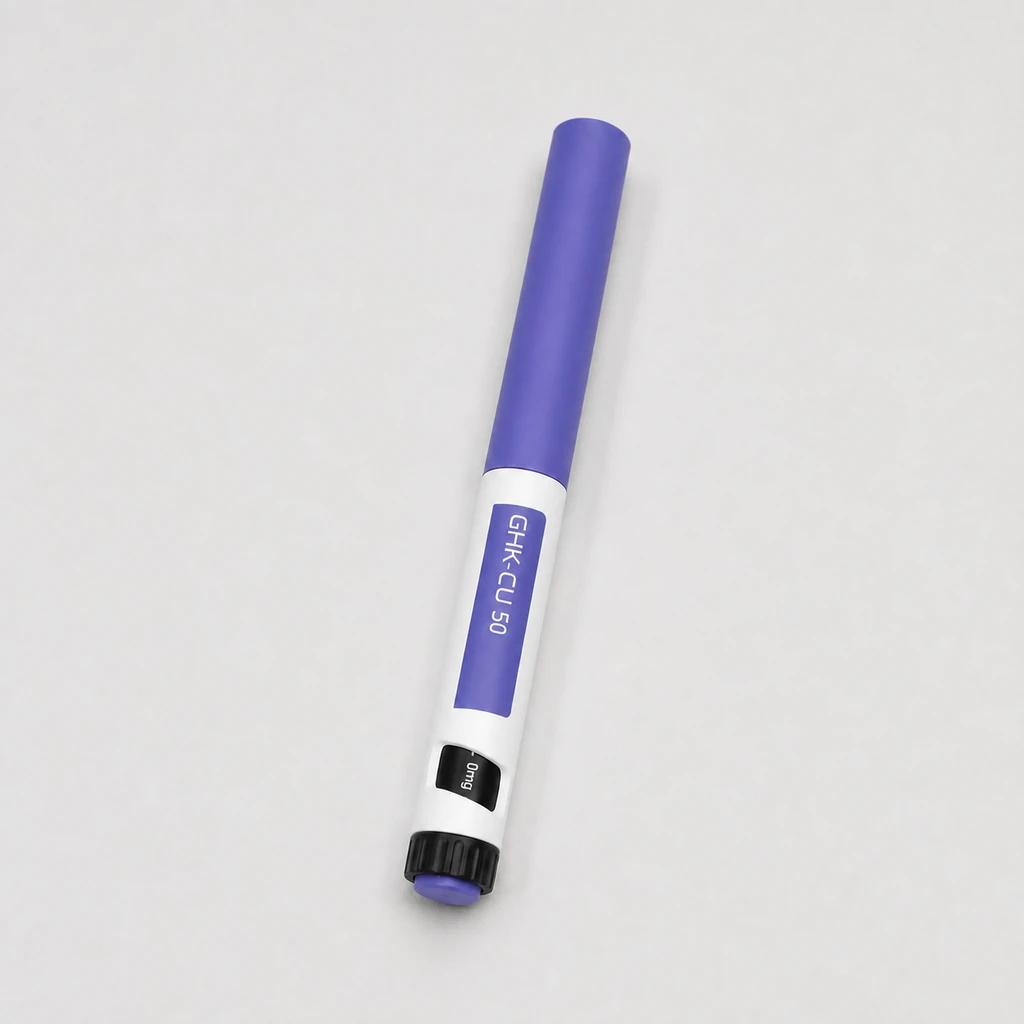
The NAD+ page in our catalog names the offered format. Compare that exact description with the study being cited, rather than relying on the shared letters “NAD.”
What the intravenous pilot actually measured

Illustrative licensed stock photograph. · Photo: Nicola Barts · pexels.com
View full size ↗A 2019 pilot study examined changes in the NAD metabolome during a six-hour intravenous NAD+ infusion. Its measurements concerned the handling of NAD-related compounds in blood and urine.
That is useful biological information, but it is not a head-to-head test of NAD+ against NADH for everyday tiredness. It also does not establish equivalent effects from oral products or a different injection route. A molecule appearing in a measured sample is a different endpoint from a person thinking more clearly or exercising longer.
Read an energy claim from the endpoint backward
If a product description says “supports energy,” look for what the research measured. Was it a chemical concentration, a questionnaire, a physical task or a clinical diagnosis? Then check who took part, the route, the comparator and the follow-up period.
For example, an increase in a blood marker cannot be converted into a percentage improvement in stamina unless the study actually measured that relationship. The same applies to phrases about brain fog: a plausible biochemical role does not supply a missing clinical outcome.
This is not a reason to ignore mechanism. It is a way to use mechanism for the question it answers without asking it to stand in for a treatment trial.
A compact comparison you can make yourself
Write the ingredient name exactly as it appears on each product. Add the route and total declared content, then put the proposed benefit in a separate column. Under that benefit, record the closest human study and its actual outcome. Leave a blank where no matching evidence has been provided.
That blank is useful: it identifies the next question for the supplier or clinician. If your search instead concerns NAD+ precursors, our journal covers related comparisons. NAD+ versus NADH remains a question about chemical forms first, and product performance only when suitable clinical evidence is available.
Instructions & useful references
- NAD: Medical Subject HeadingsUS National Library of Medicine · NAD+ oxidized and NADH reduced forms of a non-peptide electron-carrying coenzyme.
- A pilot study of the NAD metabolome during a six-hour intravenous NAD+ infusionFrontiers in Aging Neuroscience · Blood and urine metabolome pilot using intravenous administration; not clinical proof of energy, cognition, NADH equivalence or other routes.
Sources checked on October 8, 2026. This guide provides general information, with practical planning suggestions. It is not an individual treatment plan.