

Can a NAD Blood Test Tell You Which Product to Buy?
Bali & IndonesiaPublished 3 min readcomparison
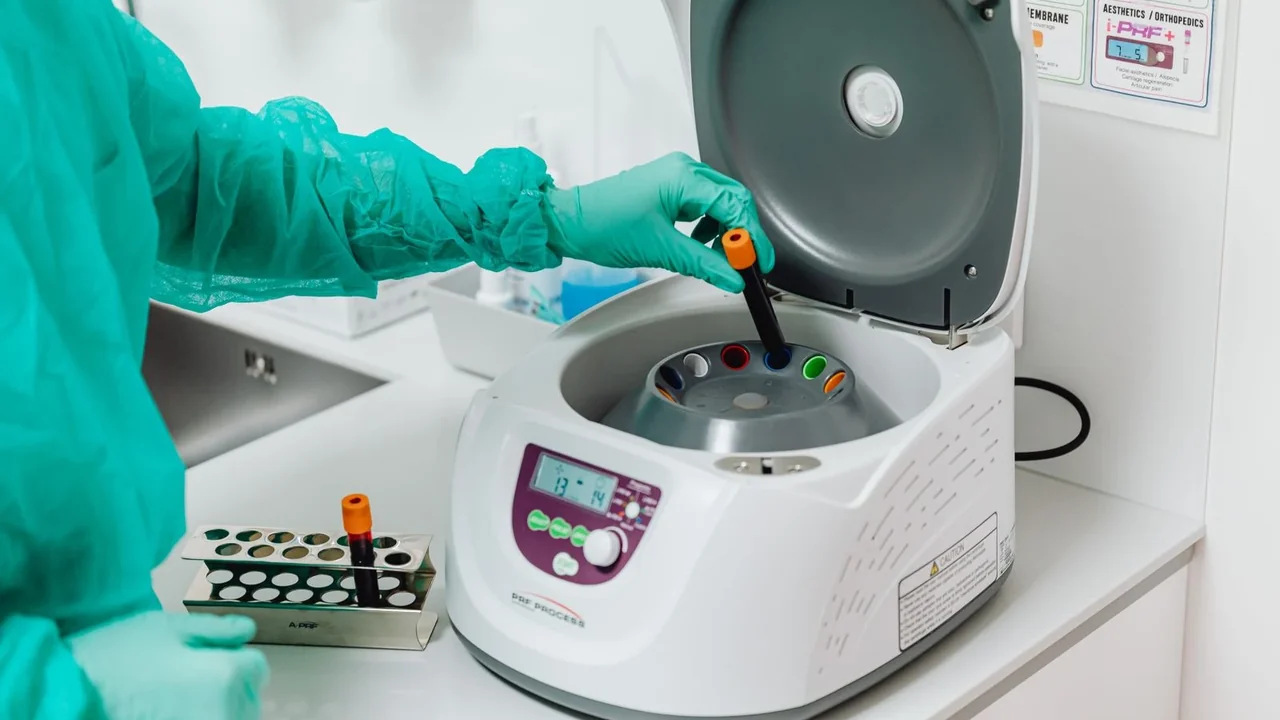
A NAD test needs a clear sample, method and interpretation. See why a blood result alone cannot choose between a supplement, infusion and NAD+ pen.
Illustrative stock photograph; not a customer, clinical result or product-testing record. · Photo: https://kaboompics.com/
The short answer
A NAD blood result does not, by itself, tell you which NAD-related product to buy. First establish what was measured, in which sample and with what method. An extracellular plasma measurement is a different question from NAD inside blood cells or in another tissue.
Table of Contents
- Ask what the sample contains
- A reference range and a treatment threshold are different
- Five questions before paying for a test-and-product package
- Keep route-specific evidence attached
- Sources
- Explore this topic
A NAD blood result does not, by itself, tell you which NAD-related product to buy. First establish what was measured, in which sample and with what method. An extracellular plasma measurement is a different question from NAD inside blood cells or in another tissue. [1]
That matters when a consumer test turns a number into a product recommendation without explaining the steps between them.
Ask what the sample contains
Blood is not a single uniform compartment. A laboratory may measure plasma, whole blood or a separated cell population. The report should make its sample and measured substance explicit, including whether it refers specifically to NAD+ or a broader reported measure.
A 2024 assay study compared intracellular and extracellular NAD+ and examined pre-analytical handling. Some processing choices affected the measured extracellular concentration. Its purpose was to improve measurement reliability, not to create a shopping threshold for an anti-aging product. [1]
A reference range and a treatment threshold are different
A range on a report needs an explanation of how it was derived and which population it describes. Even a reliable difference from that range does not automatically identify the cause, establish a deficiency syndrome or show which intervention would improve a meaningful outcome.
Imagine two laboratories reporting different numbers after using different sample types. Comparing them as if they were repeat readings from the same method can create an apparent change that is not the change you intended to measure. The first task is to reconcile the methods.
Five questions before paying for a test-and-product package

Illustrative stock photograph; not a customer, clinical result or product-testing record. · Photo: Diana ✨
View full size ↗- What substance and sample does the test measure?
- What handling and analytical method does the laboratory use?
- How was the comparison range established?
- What evidence links this result to the proposed intervention?
- What useful outcome would a repeat test or treatment review assess?
Clear answers are more informative than a coloured “low-to-optimal” graphic on its own. A package price can be easy to understand while its clinical interpretation remains uncertain.
Keep route-specific evidence attached
A small NAD+ infusion pilot followed blood and urine metabolites during a six-hour intravenous infusion. It was a metabolism study, not a trial selecting a retail pen for people with a particular consumer-test result. [2]
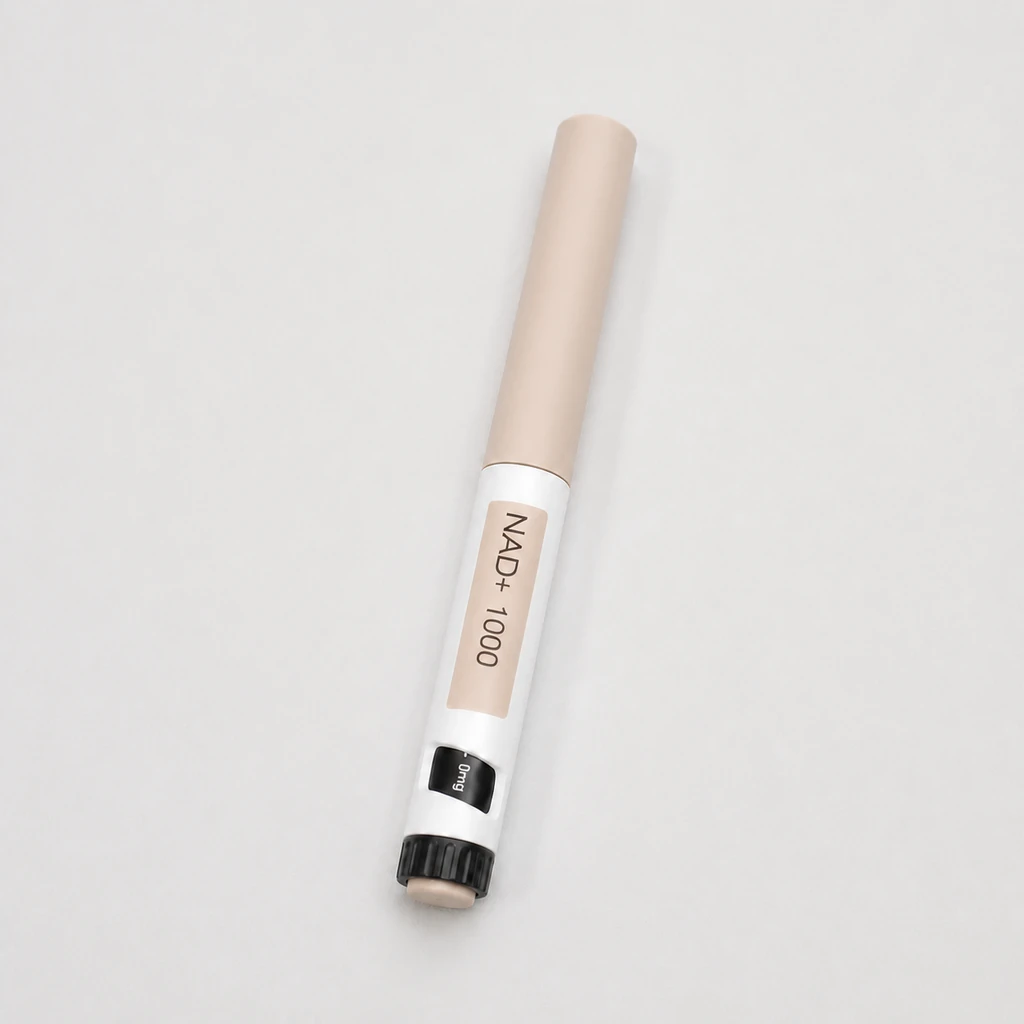
The NAD+ product page describes a 1000 mg pen. [3] That commercial format does not inherit the infusion study's route, protocol or any untested promise of reversing a low blood result.
If a test is already part of your care, take the full report and the proposed product information to the professional interpreting it. The useful decision is based on a defined clinical question and a justified next step, rather than treating every measurable number as something that needs to be increased.
Instructions & useful references
- Optimized protocol for quantification of extracellular nicotinamide adenine dinucleotide: evaluating clinical parameters and pre-analytical factors for translational research.Original study or consensus indexed by NCBI · Study population, formulation, design and endpoints read in the official NCBI abstract; limitations retained in the article.
- A Pilot Study Investigating Changes in the Human Plasma and Urine NAD+ Metabolome During a 6 Hour Intravenous Infusion of NAD.Original study or consensus indexed by NCBI · Study population, formulation, design and endpoints read in the official NCBI abstract; limitations retained in the article.
- nad-plus product presentationPeptides in Bali · Actual labelled contents and presentation, not evidence of a clinical outcome.
Sources checked on October 16, 2026. This guide provides general information, with practical planning suggestions. It is not an individual treatment plan.