

MOTS-C vs CB4211: Read the Evidence from Bali
Bali & IndonesiaPublished 4 min readcomparison
Is CB4211 the same as MOTS-C? Understand the human trial, the different intervention and what it means when comparing MOTS-C pens in Bali.
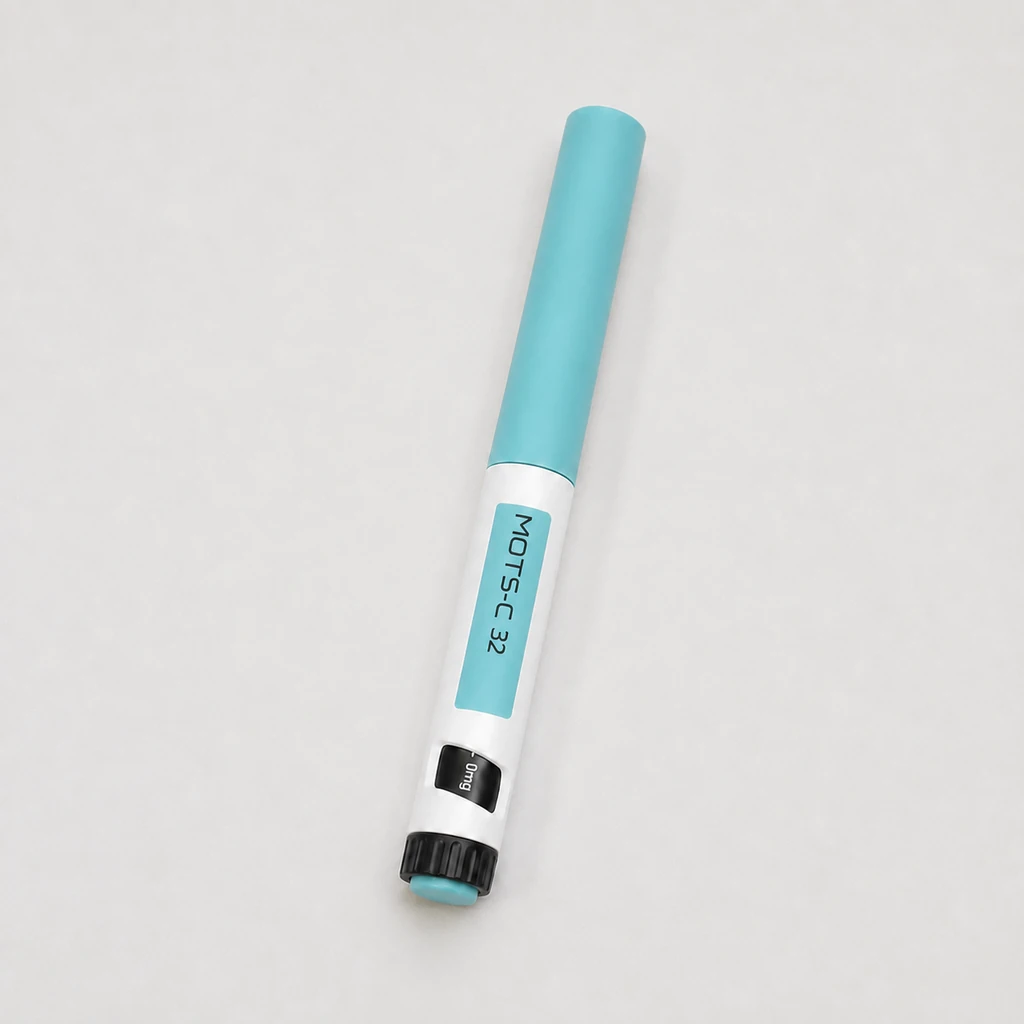
Existing catalogue image of the listed product; not a clinical-result photograph. · Photo: Peptides in Bali catalogue
The short answer
CB4211 is a development compound related to MOTS-C research, not another name for every MOTS-C product. Its Phase 1a/1b registry identifies CB4211 as the intervention. That trial should not be presented as a clinical trial of a retail MOTS-C pen.
Table of Contents
- Start with the intervention field
- The body's own MOTS-C is another separate question
- What “completed” means in a trial record
- A useful way to evaluate a MOTS-C claim
- Bring the distinction into a Bali product conversation
- Frequently asked questions
- Sources
- Explore this topic
The CB4211 human trial is not a trial of a retail MOTS-C pen. Its study record names CB4211 as the intervention. For Bali readers comparing MOTS-C research, that distinction prevents a genuine clinical-trial citation from being used to support a claim about a different product.
The practical question is not whether mitochondrial-peptide research is interesting. It is whether the evidence being quoted actually tested the compound and outcome under discussion.
Start with the intervention field
The ClinicalTrials.gov record NCT03998514 describes a Phase 1a/1b study of CB4211 in healthy non-obese participants and people with nonalcoholic fatty liver disease. It investigated safety, tolerability and pharmacokinetics, with additional pharmacodynamic measures. Open the original trial record.
The intervention field is more informative than a search-result headline. It identifies the substance actually administered. A page that links this record beside a MOTS-C pen still needs to explain why results from the development compound would apply to that pen.
| Evidence source | What was investigated | What cannot be assumed |
|---|---|---|
| CB4211 registry | A named development compound in an early clinical study | That a retail MOTS-C preparation was tested |
| Human exercise observations | Changes in the body's own MOTS-C | That administering MOTS-C reproduces exercise outcomes |
| A catalogue product page | The supplied product format | That it is the clinical-trial preparation |
The body's own MOTS-C is another separate question
A Nature Communications paper examined exercise-associated MOTS-C in human muscle and circulation. The human part measured endogenous peptide responses; it was not a clinical test of a store-bought MOTS-C pen. Read the research.
“Levels changed during exercise” and “an injection improves performance” are different statements. The second needs its own intervention study. The first can motivate that research, but it cannot complete it.
This distinction is particularly relevant when the phrase “exercise mimetic” appears beside a product. A mechanistic description is not a measured replacement for a training programme or proof of a particular human outcome.
What “completed” means in a trial record
The CB4211 record is marked completed. That describes the study's status; it does not mean the compound achieved every hoped-for effect, received marketing approval or became interchangeable with a related peptide.
To interpret a trial properly, separate three questions: what the investigators planned, what results were reported and what those results can support. A registry entry is valuable for the first question, but the reader still needs the actual results and methods for the second.
Do not use the word “clinical” as a universal quality stamp. An early study can be important while leaving substantial questions unanswered.
A useful way to evaluate a MOTS-C claim
When a claim arrives in a message or advertisement, request the underlying source and read it in this order:
- Identify the intervention by its exact name.
- Identify the participants and the condition studied.
- Find the outcome researchers actually measured.
- Check whether the article is a registry, original results paper or commentary.
- Compare that evidence with the claim being made.
This is not a demand for technical expertise. It is a way to avoid changing the subject halfway through an explanation. If a claim starts with native MOTS-C and ends with a CB4211 trial, the change needs to be acknowledged.
Bring the distinction into a Bali product conversation
The MOTS-C product page identifies the catalogue format. If you are discussing it with a clinician while staying in Canggu, bring the actual source that prompted your interest rather than a cropped claim about “human trials.”
State the outcome you want to understand. An exercise-performance question, a liver-related diagnosis and a general energy concern require different evidence. One early trial should not be expected to answer all of them.
For a separate comparison involving another mitochondrial research compound, see MOTS-C versus SS-31. The same rule applies: related research areas do not make the interventions identical.
Frequently asked questions
Does CB4211 mean MOTS-C has been proven to work in humans?
That is too broad. The trial identified a specific development compound and early clinical questions. Read those rather than transferring the citation to every MOTS-C claim.
Does an endogenous MOTS-C result establish a pen dose?
No. Measuring the body's peptide response does not establish a dosing instruction for an external preparation.
Could newer MOTS-C studies exist?
Yes. Research changes. Check new records by exact intervention and published results rather than relying on a permanent “no studies” statement.
What is the most important line in a trial record?
For this comparison, start with the intervention name. It tells you whether the trial is even about the substance you are evaluating.
Instructions & useful references
- NCT03998514: CB4211 Phase 1a/1bCohBar / ClinicalTrials.gov · Registry and API checked; intervention is CB4211, not native MOTS-c.
- MOTS-c and exercise-induced mitochondrial regulationReynolds et al., Nature Communications · Human part measured endogenous peptide, not retail pen effects.
Sources checked on October 19, 2026. This guide provides general information, with practical planning suggestions. It is not an individual treatment plan.