

Melanotan I vs II in Bali: Names and Differences
Bali & IndonesiaPublished 4 min readcomparison
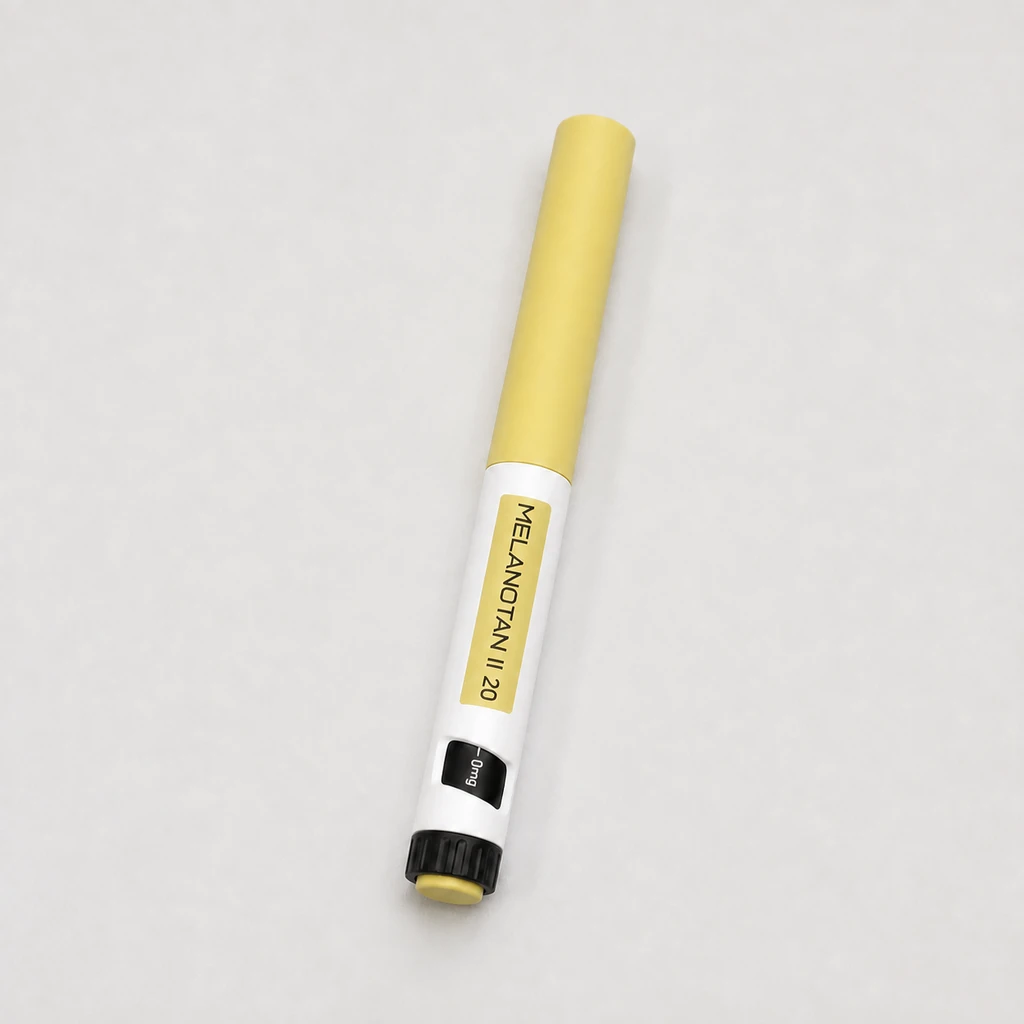
Understand Melanotan I, Melanotan II and afamelanotide before comparing products in Bali. Learn why a medicinal implant and a pen are different.
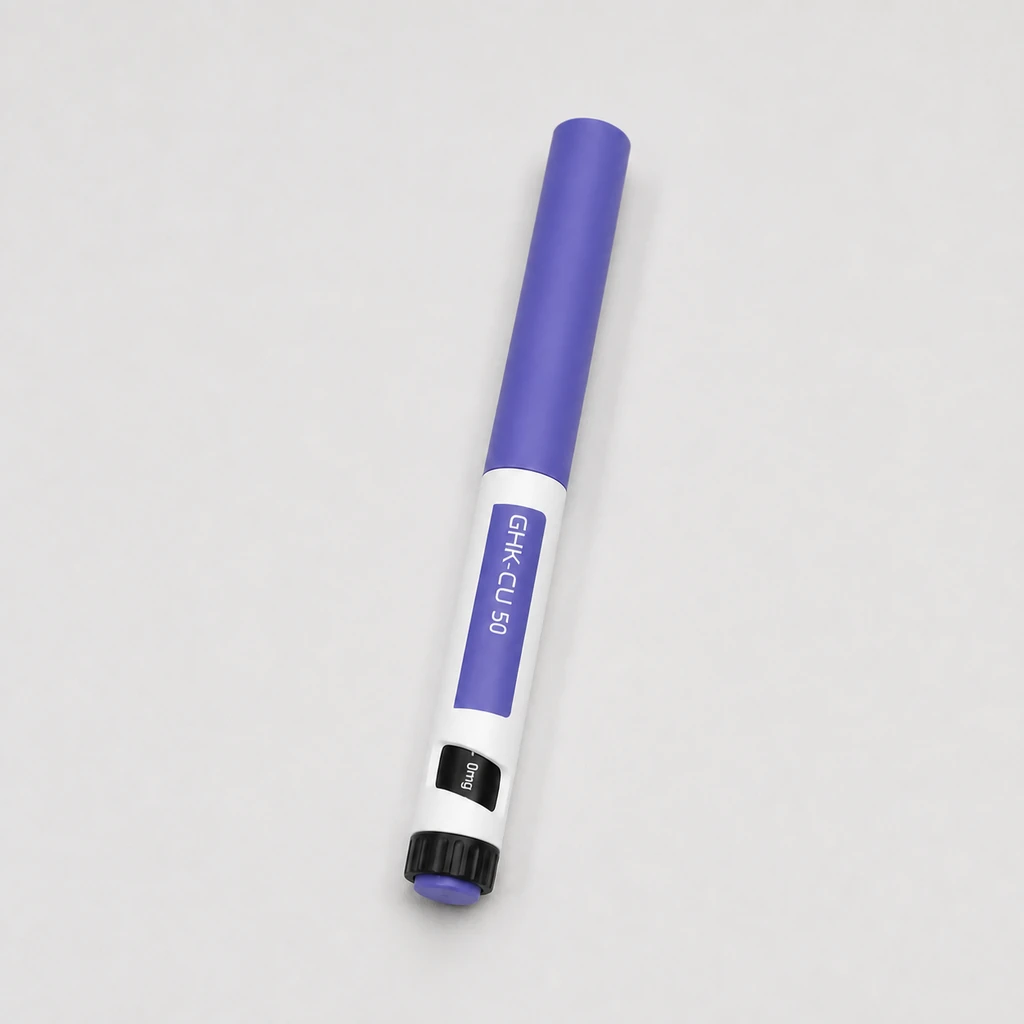
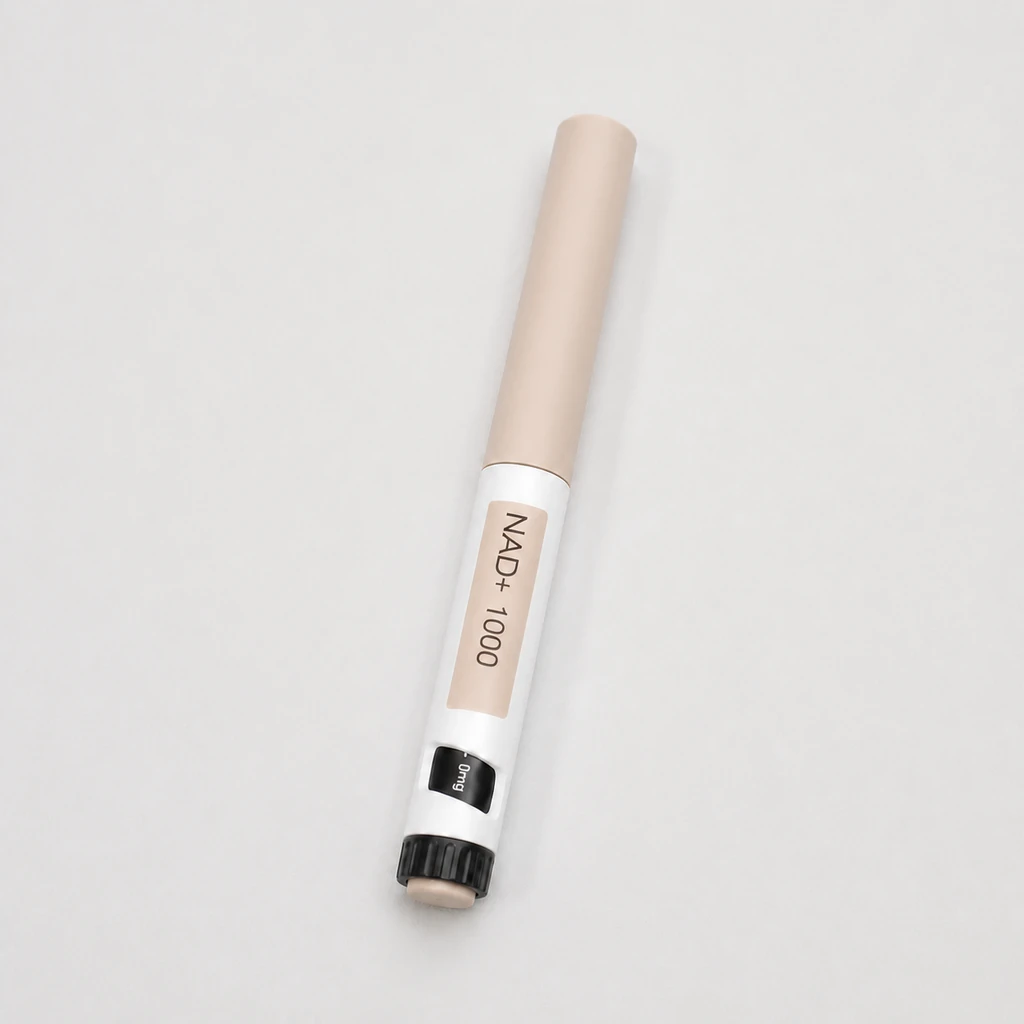
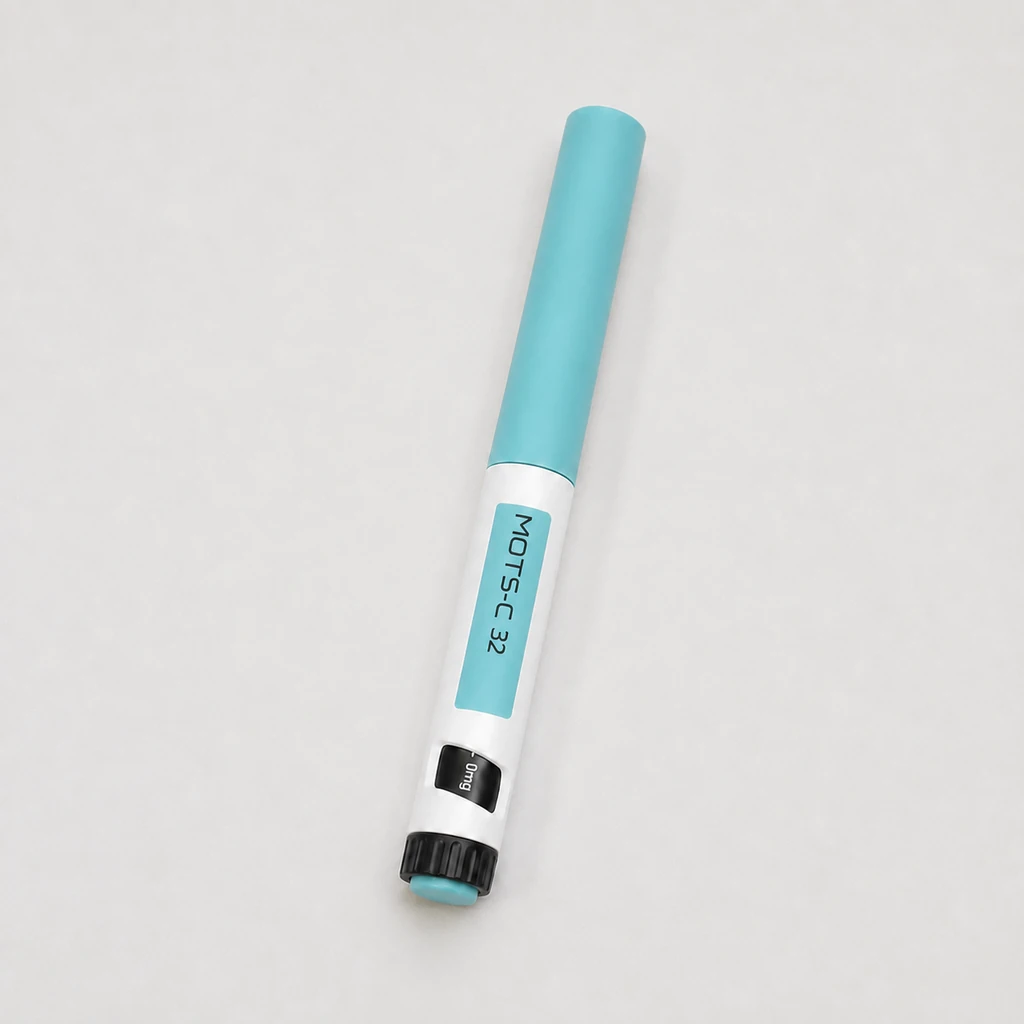
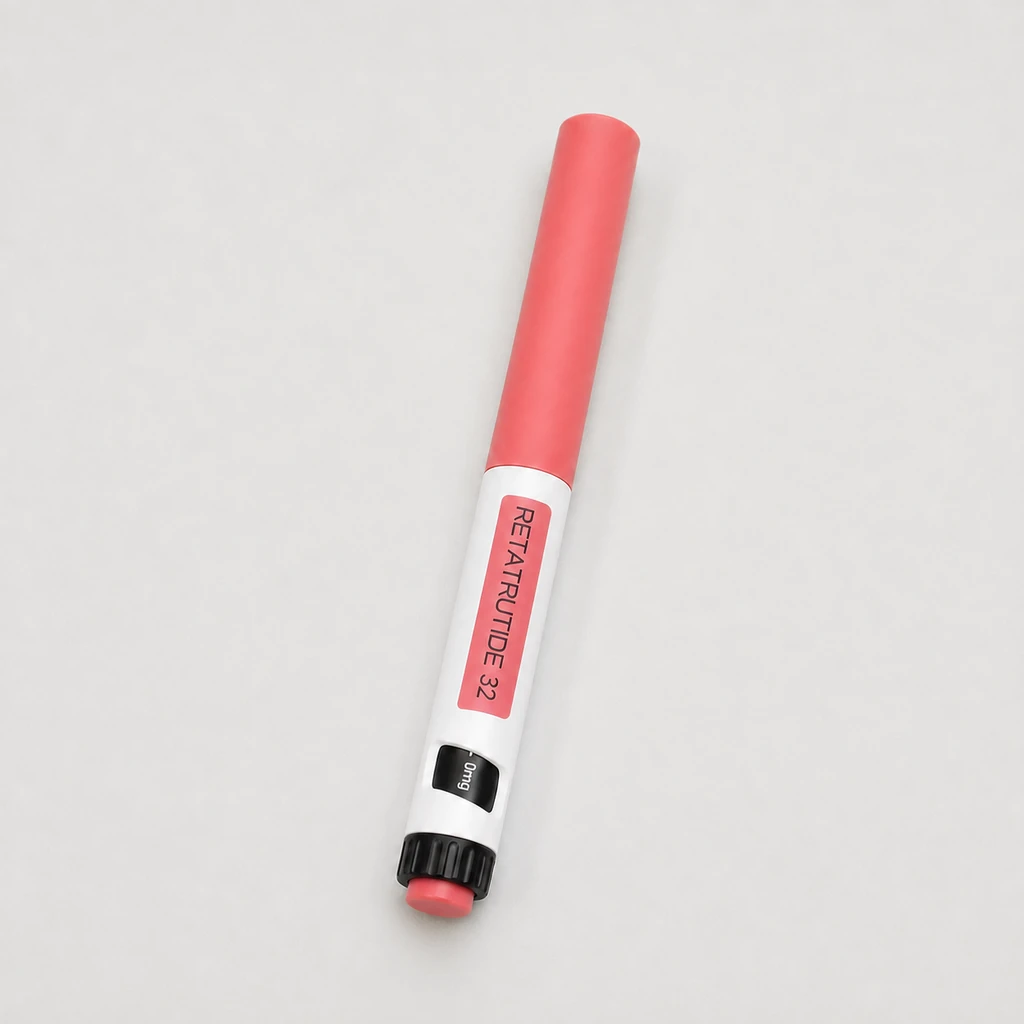
Existing catalogue image of the listed product; not a clinical-result photograph. · Photo: Peptides in Bali catalogue
The short answer
Melanotan I and Melanotan II are different compounds. Afamelanotide is associated with the Melanotan I development history, while SCENESSE is a specific medicinal implant. None of those names makes a Melanotan II pen interchangeable with that implant.
Table of Contents
- The names describe different things
- What the original research names reveal
- What makes the afamelanotide implant a separate case?
- How to assess an article claiming they are equivalent
- What this means for a Bali enquiry
- Frequently asked questions
- Sources
- Explore this topic
Melanotan I and Melanotan II are different compounds, not two strengths of the same pen. Afamelanotide is associated with the Melanotan I development history; SCENESSE is a particular afamelanotide implant. A reference to that medicine does not establish that a Melanotan II pen has the same formulation, indication or evidence.
This distinction is useful for Bali readers because “melanotan,” “MT1,” “MT2” and “afamelanotide” can appear together in search results even when the pages discuss different products.
The names describe different things
| Name in a search result | What to distinguish |
|---|---|
| Melanotan I / MT1 | A particular melanocortin-related compound and research history |
| Melanotan II / MT2 | A different cyclic peptide |
| Afamelanotide | The ingredient associated with a specific medicinal development programme |
| SCENESSE | A named medicinal implant, not a generic description of any tanning product |
| Melatonin | A separate hormone related to circadian timing, not either melanotan |
Do not interpret the Roman numeral as a normal product upgrade. “II” does not mean double the effect, a later approved version, or a direct replacement for “I.”
The store's Melanotan II listing is explicitly for Melanotan II. Other names found in a search should remain distinct.
What the original research names reveal
A human study of Melanotan I examined skin pigmentation and pharmacokinetics. Its title and methods identify the compound being studied. Read the Melanotan I paper.
A separate early phase-I study investigated Melanotan II. It concerned a cyclic melanotropic peptide, rather than the same intervention renamed. Read the Melanotan II study.
The practical lesson is to keep the exact compound attached to its result. Even when research questions overlap, results from one substance are not automatically results for another. Similar appearance in a product photograph cannot resolve that scientific distinction.
What makes the afamelanotide implant a separate case?
The SCENESSE prescribing information describes a specific implant for adults with erythropoietic protoporphyria, a defined condition involving reactions to light. The medicine's formulation and clinical indication are part of its identity. See the current label.
That record should not be shortened to “melanotan is approved.” Doing so removes the very information that makes the statement meaningful: which ingredient, which preparation, which patient group and which jurisdiction.
A pen and an implant also have different product characteristics. A numerical amount on each package does not create a conversion between them. Neither an online comparison nor this article establishes a way to substitute one for the other.
How to assess an article claiming they are equivalent
Look for the precise source behind the claim. Does it name Melanotan I, Melanotan II or afamelanotide? Does the study involve an implant, another preparation or only a laboratory experiment? What did researchers actually measure?
If the page cites a medicine but sells a different substance, it should explain that difference clearly. If it cannot, the citation may be accurate while the conclusion attached to it is not.
A useful comparison can acknowledge shared scientific interest without turning it into a claim of equal results. “Related research area” and “interchangeable product” are very different statements.
What this means for a Bali enquiry
If you are asking a seller or clinician about a product while staying in Seminyak or Uluwatu, use the full ingredient name. An enquiry that says only “melanotan” leaves the key distinction unresolved.
If the search began because of a diagnosed light-related condition, bring the diagnosis and existing medical plan to a qualified clinician. Do not use a consumer product comparison to substitute for a specialist treatment pathway.
For a catalogue question, ask for the exact item shown in the product-details collection. The seller can clarify the supplied product; that clarification is separate from deciding whether an intervention is appropriate.
Frequently asked questions
Is Melanotan II simply a newer Melanotan I?
The names identify different compounds. They should not be treated as successive versions of one interchangeable medicine.
Does a study of afamelanotide establish what an MT2 pen does?
No. The studied ingredient and preparation need to match the claim.
Can I compare an implant and a pen by total milligrams?
The shared unit does not establish an equivalent intervention or effect. Do not infer a substitution from the numbers.
Is melatonin another spelling?
No. It is a different substance with a different biological role. Use complete names when searching or asking about a product.
Instructions & useful references
- Melanotan-I pigmentation and pharmacokineticsPrimary human study, PubMed · Distinct Melanotan I clinical research.
- Melanotan-II pilot phase-I clinical studyDorr et al., Life Sciences · Small early human study of cyclic melanotropic peptide.
- SCENESSE prescribing informationClinuvel / DailyMed · Afamelanotide implant and erythropoietic protoporphyria indication.
Sources checked on October 19, 2026. This guide provides general information, with practical planning suggestions. It is not an individual treatment plan.