

A Movement Plan for a Long Flight: Seat Exercises, Walks and Risk Checks
Everyday guidesPublished 5 min readhow to
1:33 · English narration Continue reading the article ↓
Video chapters
Read the video transcript
Make movement possible during a long flight without ignoring the seat-belt sign. Plan around the journey, recognise when individual clot-risk advice is needed and know urgent symptoms.
A long flight includes more than time in the air. Airport waits, connections and the drive after landing can add hours of sitting. Plan movement around the whole journey, within your ability and the travel rules.
Move your legs regularly and walk when permitted. Travel guidance suggests opportunities about every one to two hours. The seat-belt sign and crew instructions take priority; a reminder is not permission to ignore turbulence.
Before boarding, consider a comfortable walk. In the seat, use gentle movements suited to you. When it is safe, take a short permitted walk. This is a planning aid, not a guarantee against a blood clot.
A previous clot, recent surgery or other relevant health factors can change the decision. Ask a clinician before travel. Fitness alone does not settle clot risk, and a general video cannot choose medicines or compression stockings for you.
New unexplained leg swelling or pain needs assessment. Sudden trouble breathing, chest pain, coughing blood or fainting needs urgent help. Alert the crew if symptoms occur in flight; do not treat them as a stretching challenge.
Keep your foot space practical and arrange assistance if needed. The full article includes a journey worksheet and explains which questions to raise before departure. Movement advice and jet-lag planning address different problems.
Download transcript · English captions · Footage and production credits
Illustrative Pexels footage, original explanatory graphics and music, with synthetic English narration. People shown do not endorse products.
Make movement possible during a long flight without ignoring the seat-belt sign. Plan around the journey, recognise when individual clot-risk advice is needed and know urgent symptoms.
The short answer
During a long journey, move your legs regularly and walk when it is safe and permitted. CDC travel guidance suggests getting up about every one to two hours when possible. People with increased clot risk need individual advice before travel; seated movement is not a guarantee against a clot, and new concerning symptoms need assessment.
Table of Contents
- Understand the risk without assuming a bad outcome
- Make a movement plan that can survive a real flight
- A planning example for an eight-hour flight
- Arrange the seat and bag with movement in mind
- Compression stockings and medicines need a separate decision
- Symptoms are not a stretching problem
- Keep the other travel problems separate
- Sources
- Explore this topic
An eight-hour flight can become a much longer stretch of sitting once you include the airport, a connection and the drive to your accommodation. A useful movement plan considers that whole journey.
Move regularly when it is safe, and make the plan fit the cabin rules and your own health. You do not need to turn the aisle into a workout area. You do need to recognise when generic travel advice is insufficient.
Understand the risk without assuming a bad outcome
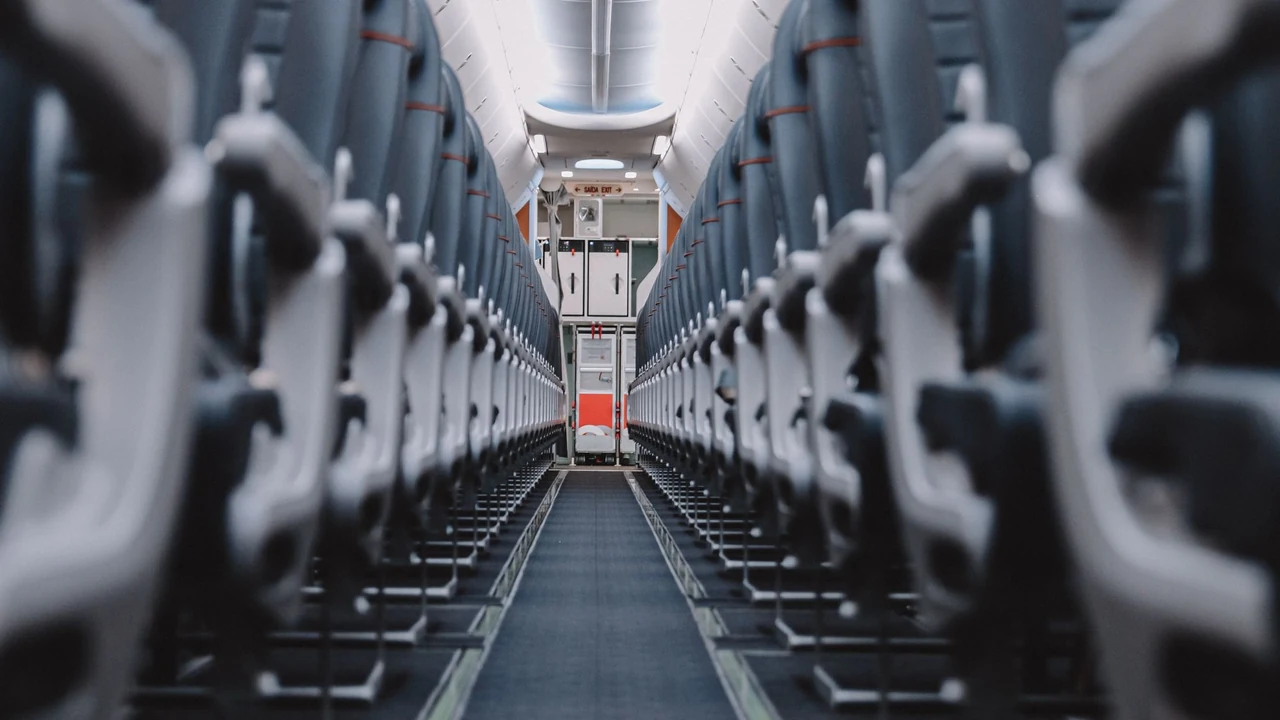
Illustrative licensed stock photograph. · Photo: Natã Romualdo · pexels.com
View full size ↗The CDC's travel guidance explains that prolonged immobility during journeys longer than about four hours can contribute to blood-clot risk. The overall risk is generally small, but personal factors can increase it—for example, a previous clot, recent surgery, pregnancy or limited mobility.
If you have relevant risk factors or are unsure how your medical history affects travel, discuss the journey with a clinician before departure. Include the duration, connections and any restrictions on movement.
This is a different question from whether you feel fit. A regular gym routine does not make a medical history irrelevant.
Make a movement plan that can survive a real flight
The CDC advises frequent leg movement and getting up roughly every one to two hours when possible. Cabin safety takes priority: remain seated and belted when instructed, and adapt to turbulence or crew directions.
When seated, gentle ankle movement and changing leg position can give you practical options within the available space. Do not force a movement that hurts or conflicts with a clinician's restrictions.
Instead of setting a rigid alarm that demands an aisle walk regardless of conditions, use it as a reminder to assess what is possible safely.
A planning example for an eight-hour flight
This is a fictional itinerary worksheet, not a medical prevention prescription.
| Journey stage | Opportunity to consider | Constraint to respect |
|---|---|---|
| Before boarding | A comfortable walk while waiting | Boarding time and personal mobility limits |
| Seated cruise | Regular gentle leg movement | Space, comfort and any individual advice |
| Safe opportunity to stand | A short permitted walk | Seat-belt sign, service carts and crew instructions |
| Connection | Break up another long seated wait | Gate distance, fatigue and assistance needs |
| Arrival transfer | Notice that sitting continues | Transport safety and practical stopping places |
You do not need to complete a certain step count for this plan to be worthwhile. The aim is to avoid forgetting the long immobile stretches, not to win an activity competition.
Arrange the seat and bag with movement in mind
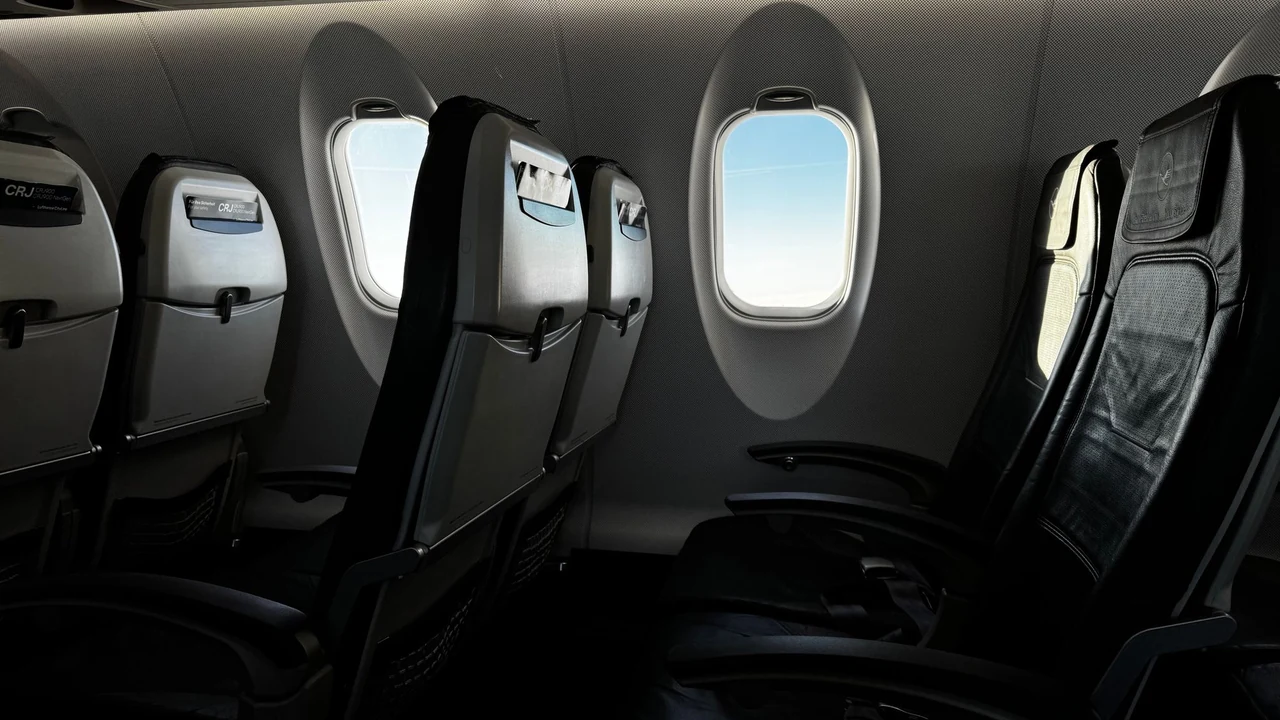
Illustrative licensed stock photograph. · Photo: Thomas · pexels.com
View full size ↗Keep your foot space as usable as the airline's storage rules allow. Plan where essential items will go so you are not repeatedly twisting around an overfilled bag.
If you need mobility assistance, request it through the airline's normal process before travel. A plan that assumes you can walk unaided is not useful if that is not your situation. Ask your clinician what seated movements are appropriate for you and the airline what assistance it can provide.
An aisle seat may make standing more convenient for some travellers. It does not turn a long flight into a risk-free journey or replace individual medical advice.
Compression stockings and medicines need a separate decision
The American Society of Hematology recommends discussing risk and prevention with a doctor when relevant. Do not choose a medicine or alter an anticoagulant schedule because a general travel article mentions blood clots.
Likewise, the decision about graduated compression stockings depends on the person and correct use. An ordinary tight sock is not automatically the same product.
Bring the relevant questions to a pre-travel appointment: whether you need additional measures, which product or medicine if any, how to use it and what to do if the itinerary changes.
Symptoms are not a stretching problem
New unexplained swelling, pain, warmth or colour change in a leg needs prompt medical assessment. Sudden breathing difficulty, chest pain, coughing blood or fainting requires urgent medical help. If this happens in flight, alert the crew. These warnings are consistent with ASH's travel-clot guidance.
Do not try to prove that a painful swollen calf is only stiffness by doing a harder stretch or continuing the journey without advice. Symptoms can matter after arrival as well as during the flight.
The absence of a symptom during the flight is not a certificate that a clot cannot occur. The purpose of recognising warning signs is to respond promptly, not to self-diagnose.
Keep the other travel problems separate
Movement during a flight does not solve jet lag. For sleep timing and light exposure, use the Bali jet-lag guide. If you have a long sedentary workday after arrival, the desk movement-break guide addresses that different routine.
Prepare a plan you can actually follow, know when to seek individual advice and respect cabin instructions throughout. That is more useful than an ambitious exercise list you cannot safely perform in your seat.
Instructions & useful references
- Understanding Your Risk for Blood Clots with TravelCDC · Generallysmallrisk, longimmobilityandpersonalrisks; legmovementand1–2hwalkingwherepossible; symptoms/pretraveladvice.
- Clots and TravelAmerican Society of Hematology · Pretravelriskassessment, movement, symptomsduringandaftertravel; no personalisedmedicationrecommendation.
Sources checked on September 28, 2026. This guide provides general information, with practical planning suggestions. It is not an individual treatment plan.