

BPC/TB vs CJC/Ipamorelin: Recovery Questions in Bali
Bali & IndonesiaPublished 4 min readcomparison
Compare BPC-157/TB-500 with CJC/Ipamorelin in Bali. Understand tissue-repair research, hormone signaling and what a recovery bundle does not prove.
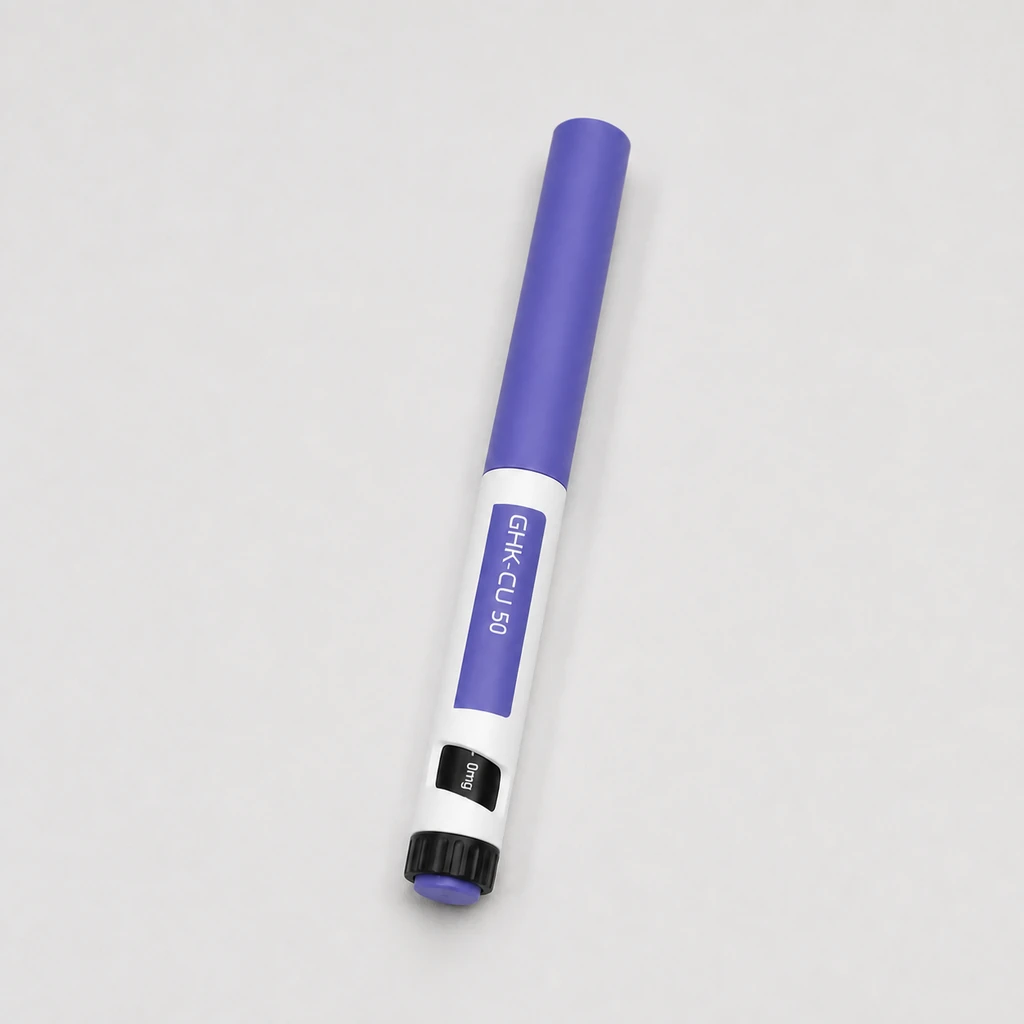
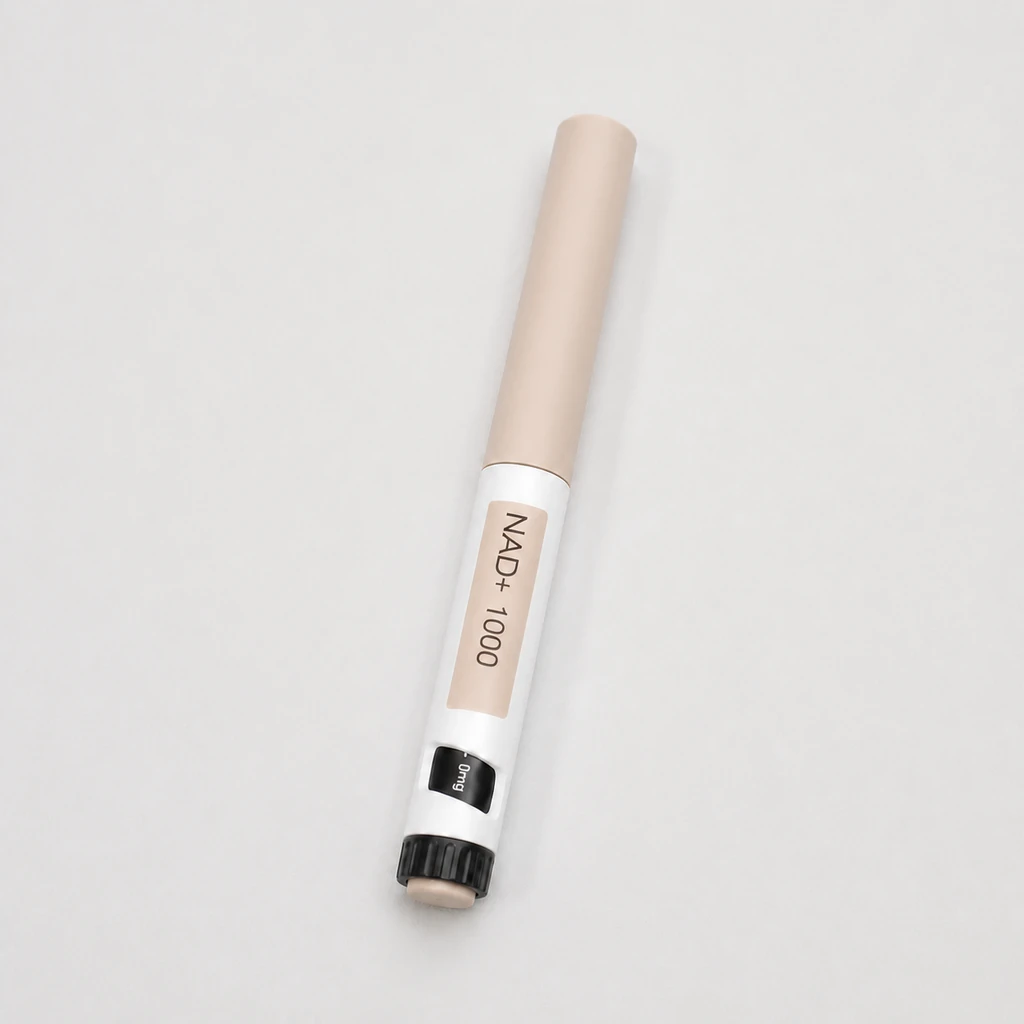
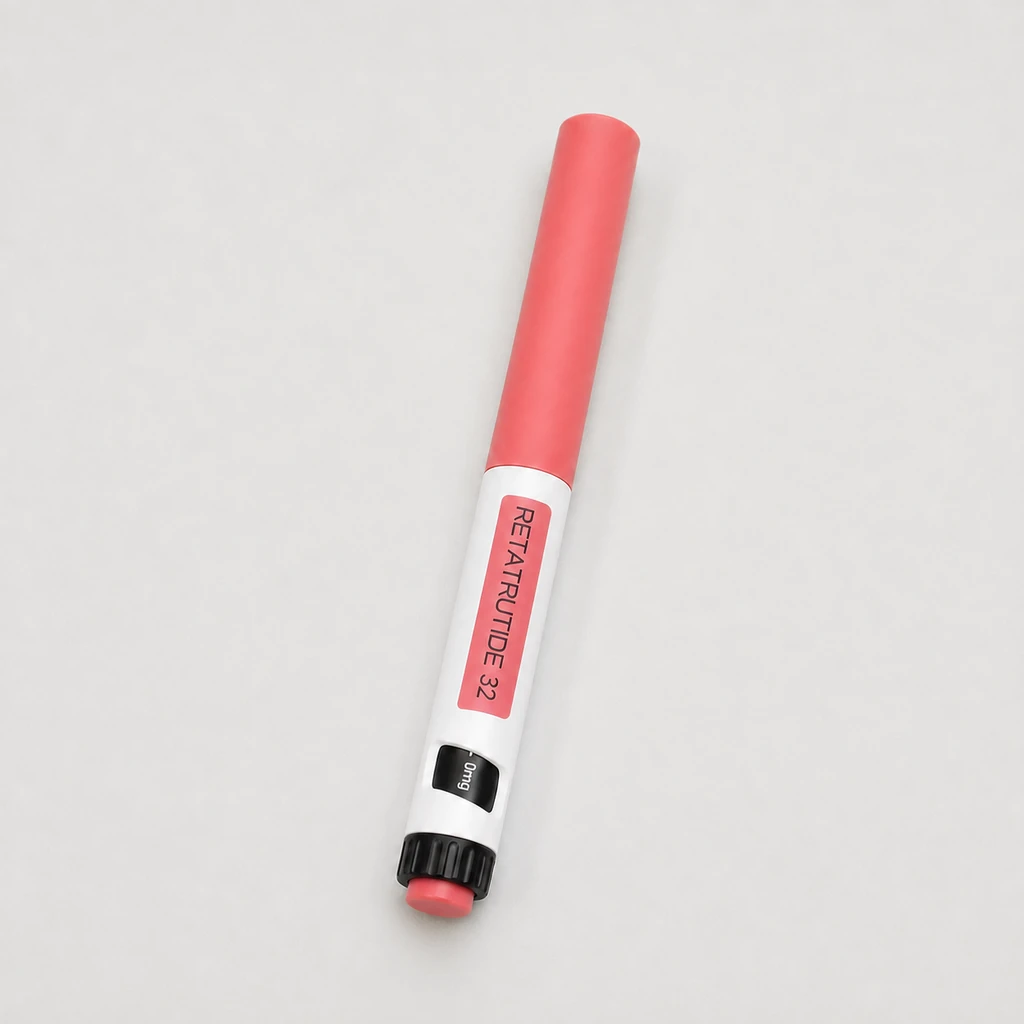
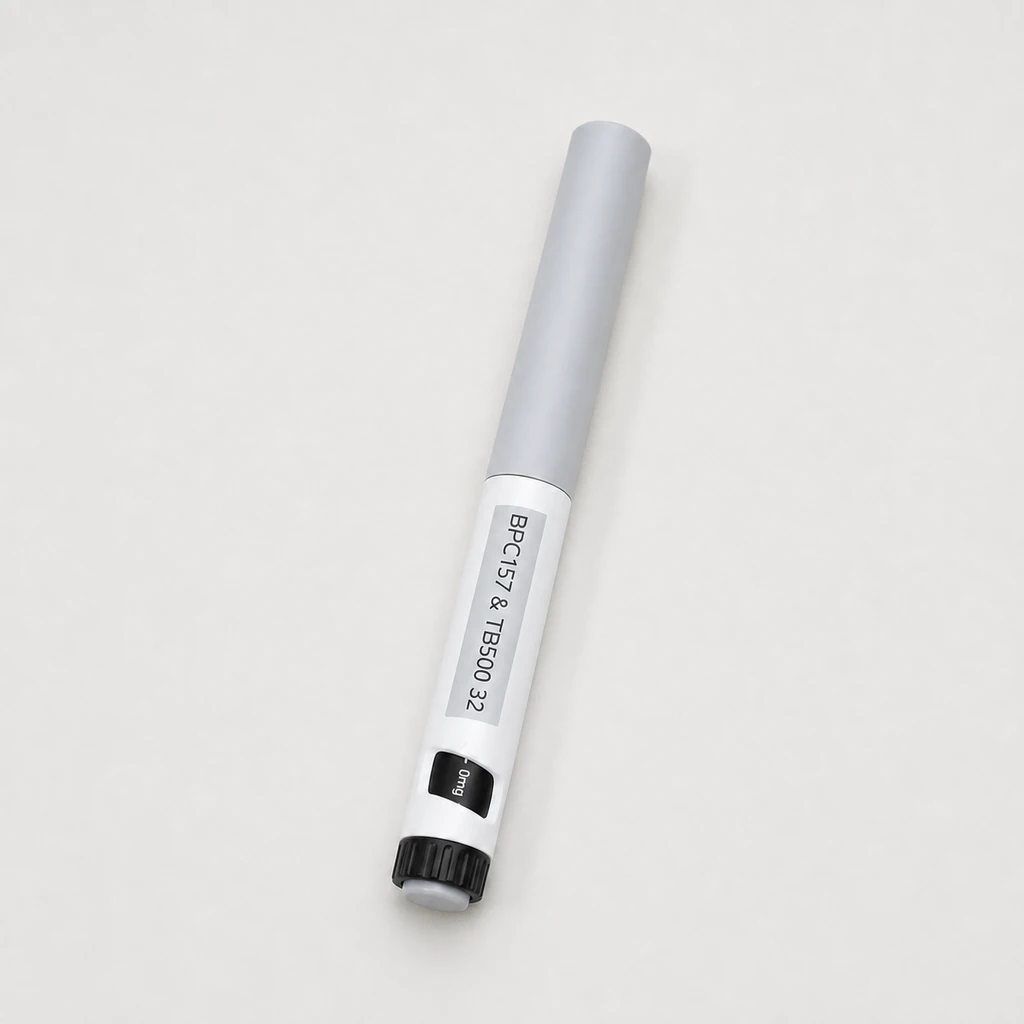
Existing catalogue image of the listed product; not a clinical-result photograph. · Photo: Peptides in Bali catalogue
The short answer
BPC-157/TB-500 and CJC-1295/Ipamorelin are grouped around different research pathways. Tissue-repair interest and hormone signaling do not amount to the same intervention, and combining the products does not establish faster recovery.
Table of Contents
- “Recovery” can describe several unrelated outcomes
- What the BPC-157 evidence actually measured
- Why a human Ipamorelin trial is not a sports-recovery trial
- What a two-pen comparison should establish
- Make a Bali consultation specific
- Frequently asked questions
- Sources
- Explore this topic
BPC-157/TB-500 and CJC-1295/Ipamorelin are not interchangeable “recovery pens.” One comparison concerns tissue-repair research; the other concerns hormone-related signaling. The useful question is what you mean by recovery: pain, ability to perform a particular movement, return after a diagnosed injury, or a general feeling after training.
For readers in Bali, that distinction can prevent an appealing bundle name from doing the work of a clinical explanation. Start with the actual problem, then ask which evidence addresses it.
“Recovery” can describe several unrelated outcomes
A person unable to load an injured tendon has a different problem from someone who sleeps poorly after late training. Another person may be following rehabilitation after surgery. Putting all three into one category hides the most important information.
| Concern | Useful outcome to discuss | What would not answer it |
|---|---|---|
| A diagnosed injury | Function and clinically assessed progress | An unrelated hormone change |
| Persistent pain | Cause, severity and activities affected | A promotional before-and-after |
| Postoperative rehabilitation | The surgeon's specific recovery milestones | A trial in a different surgical setting |
| General training recovery | A defined, repeatable observation | The word “regeneration” alone |
The table is a way to frame questions, not a guide to selecting treatment. An explanation that cannot name its outcome is difficult to test.
What the BPC-157 evidence actually measured
A published retrospective report examined knee-pain experience after intra-articular BPC-157, with some participants receiving a combination. It was small and lacked a randomized control group. Its findings do not establish the effects of a BPC-157/TB-500 pen on tendon healing or return to sport. Read the original report.
The useful distinction is between a symptom report and confirmed structural healing. Feeling less pain, becoming stronger and showing a change on imaging are different outcomes. None should be silently substituted for another.
The BPC-157/TB-500 product page identifies the catalogue blend. A study must still match the specific claim being attached to it.
Why a human Ipamorelin trial is not a sports-recovery trial
Ipamorelin was tested after bowel resection in a randomized study of gastrointestinal recovery. The study used intravenous administration and did not demonstrate significant benefit in the key efficacy analysis. Read the clinical trial.
This is useful human research, but “recovery after an operation” does not make it evidence for every recovery goal. The organ system, intervention and endpoint were specific.
The CJC/Ipamorelin pen therefore needs its own clear explanation. Separate ingredient research should not be presented as a direct comparison against BPC/TB or proof that adding both pens improves an injury.
What a two-pen comparison should establish
The Comeback Mode bundle brings these products together in the catalogue. It is helpful for seeing the items, but the practical question is why the second product belongs in the discussion.
Ask for the proposed role of each component in plain language. If the explanation uses two different mechanisms, ask what evidence connects those mechanisms to the same desired outcome. If it relies on separate studies, keep that limitation visible.
A meaningful combination study would need a comparison that can separate the contribution of each intervention. Simply observing improvement after several changes cannot tell you which change mattered.
Make a Bali consultation specific
If you are training in Canggu or returning to surfing around Uluwatu, describe the activity you cannot currently do rather than requesting a generic recovery stack. Bring the diagnosis, relevant assessment and rehabilitation instructions if you already have them.
For example, “I cannot raise this arm overhead without pain” gives a clinician a more useful starting point than “I want faster repair.” Explain when the limitation began and what has already been assessed. The clinician can decide whether the problem needs further examination before any product discussion.
If you are leaving Bali soon, ask who will review progress afterward. A local product order does not automatically provide continuity of clinical care.
Frequently asked questions
Is BPC/TB for injuries and CJC/Ipamorelin for general recovery?
Those are common marketing categories, not a validated treatment-selection rule. The exact condition and evidence matter more than the category label.
Does using both cover more recovery pathways?
It introduces more variables. A broader mechanism story does not prove a broader or better clinical effect.
Can a pain score show that tissue has healed?
Pain is useful information, but it is not the same measurement as structural healing or restored function.
What is the best first question?
Ask what outcome the proposed intervention is meant to change and how that change would be assessed. That question makes a comparison much more concrete.
Instructions & useful references
- BPC-157 for Multiple Types of Knee PainLee and Padgett, Alternative Therapies · Small retrospective intra-articular knee-pain study, not a controlled blended-pen study.
- Ipamorelin for postoperative ileus: randomized studyBeck et al., International Journal of Colorectal Disease · IV ipamorelin in bowel-resection patients; no significant key efficacy difference.
Sources checked on October 19, 2026. This guide provides general information, with practical planning suggestions. It is not an individual treatment plan.