

BPC-157 vs Collagen Peptides: Different Recovery Purchases
Bali & IndonesiaPublished 4 min readcomparison
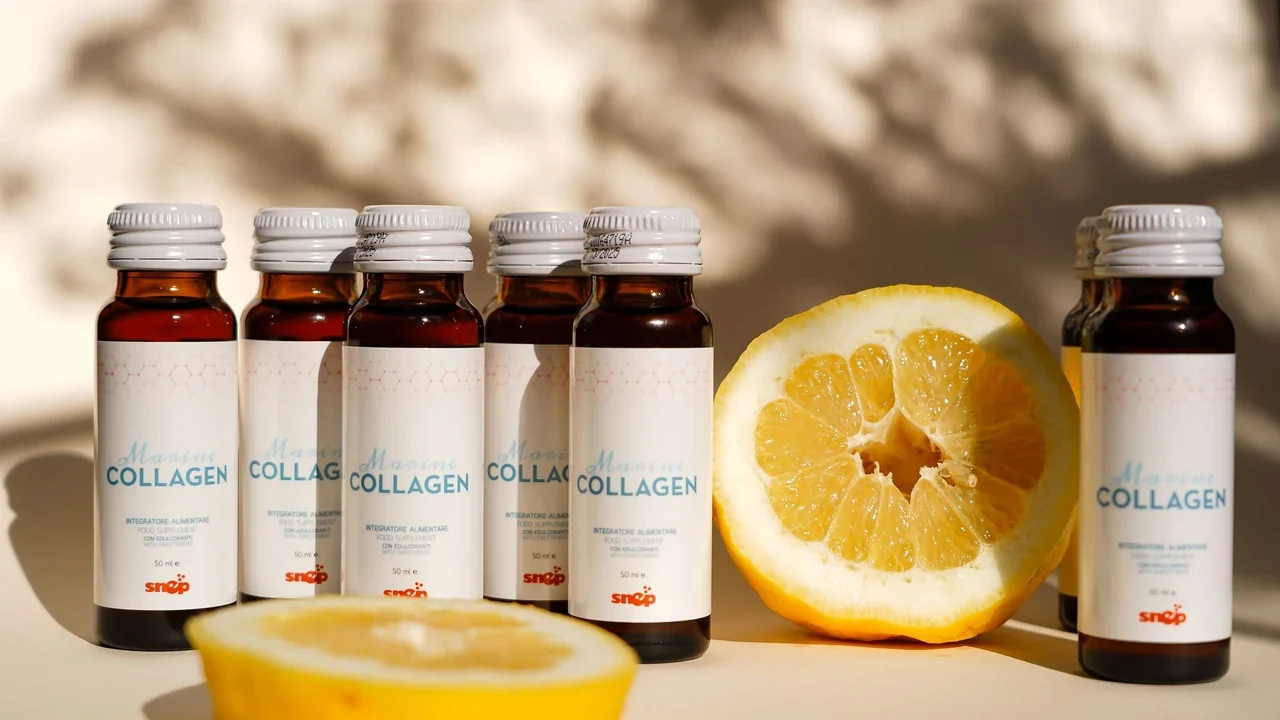
BPC-157 and collagen peptides are different products. Compare ingredient identity, joint-pain evidence, product formats and a realistic recovery budget.
Illustrative licensed stock photograph; not the product, its testing or a customer testimonial. · Photo: Madalina Enache · pexels.com
The short answer
BPC-157 and collagen peptides are not two strengths of the same recovery supplement. Collagen peptide powders are mixtures derived from collagen protein; BPC-157 is a specific peptide discussed in a different body of research. A tub of collagen, a BPC-157 product and a BPC-157/TB-500 blend need separate labels and separate evidence.
Table of Contents
- What does “peptide” tell you about the product?
- Joint discomfort is not a measurement of tissue repair
- Compare a real recovery budget
- Would buying both make the result better?
- A useful final check before ordering
- Sources
- Explore this topic
BPC-157 and collagen peptides are not two strengths of the same recovery supplement. Collagen peptide powders are mixtures derived from collagen protein; BPC-157 is a specific peptide discussed in a different body of research. A tub of collagen, a BPC-157 product and a BPC-157/TB-500 blend need separate labels and separate evidence. [3] [1]
What does “peptide” tell you about the product?
It describes a type of molecule, not a shared clinical result. The word appears in foods, cosmetics and experimental compounds. That is why finding it on both packs does not make one a convenient substitute for the other.
| Comparison | Collagen peptide supplement | BPC-157 product |
|---|---|---|
| What to identify first | Collagen source, actual serving and other ingredients | Exact peptide, formulation and route |
| Common shopping question | What amount of collagen is supplied per serving? | Which ingredient and presentation does the listing contain? |
| Evidence to look for | Study of the relevant oral supplement and outcome | Human evidence for the specific intervention and outcome |
| Misleading shortcut | Treating every collagen blend as the tested formula | Treating a repair claim as proof of healing a particular injury |
For the broader nutrition distinction, see collagen peptides versus whey. Buying a recovery-labelled product does not remove the separate question of everyday protein intake.
Joint discomfort is not a measurement of tissue repair
An oral collagen hydrolysate trial followed athletes with activity-related joint pain for 24 weeks and reported improvements in several pain measures. That is relevant to a discussion about discomfort in that setting. It does not establish that a collagen supplement repairs a torn tendon, and it did not compare collagen with BPC-157. [3]
For BPC-157, the FDA identifies important limitations in human safety information and concerns related to compounded preparations. This is a US source describing the evidence and preparation risks; it is not an Indonesian product-approval statement. [1]
The shopping implication is straightforward: avoid paying for a promised structural repair when the cited observation measured something else. Less pain, better function and healed tissue can be different outcomes. Ask which one supports the claim you are reading.
Compare a real recovery budget
Illustrative licensed stock photograph; not the product, its testing or a customer testimonial. · Photo: Anete Lusina · pexels.com
View full size ↗Start by writing the task you want to return to: walking comfortably, climbing stairs, training or surfing. Then record what has already been assessed and what the proposed product is supposed to add. A product budget should not silently replace a needed assessment or a rehabilitation plan.
For a collagen supplement, compare the labelled serving count, ingredient source and any extra ingredients. If two tubs have the same gross weight but different collagen content, their headline prices are not a like-for-like comparison. Flavouring and other additions belong in that calculation.
For a BPC listing, establish whether it contains BPC-157 alone or a blend. A total amount printed on a blend is not automatically the amount of BPC-157. Our BPC-157/TB-500 pen guide explains the site's 16 mg plus 16 mg presentation. [2]
Would buying both make the result better?
The existence of different proposed mechanisms does not demonstrate that a combination improves recovery. Neither the collagen trial cited here nor a product listing establishes a benefit from adding a retail BPC-157 pen to collagen supplementation.
Before adding another purchase, write down the missing question it is intended to answer. If the answer is only “more recovery support,” the comparison is still too vague. Product identity and a meaningful outcome should come before combining offers.
A useful final check before ordering
- Keep the exact ingredient and presentation visible in the comparison.
- Separate pain relief, function and structural healing claims.
- Read the supplement serving label or the pen's total-content label as appropriate.
- Keep assessment and rehabilitation costs separate from a product quote.
- Ask for the current product details instead of relying on a generic recovery category.
The BPC-157 + TB-500 page is the place to check the current catalog presentation. It should be compared as that specific blend, not as a concentrated version of collagen powder.
Instructions & useful references
- Compounding substances that may present significant safety risksUS FDA · BPC-157 limitations in human safety information and characterization; no Indonesian legal conclusion.
- BPC-157 + TB-500 product presentationPeptides in Bali · The listed product is a blend, 16 mg plus 16 mg; it is not a collagen supplement or BPC-only clinical study product.
- 24-week study of collagen hydrolysate in athletes with activity-related joint painClark et al., Current Medical Research and Opinion · Oral collagen hydrolysate study population and reported pain measurements; not injected BPC-157 or structural repair.
Sources checked on October 14, 2026. This guide provides general information, with practical planning suggestions. It is not an individual treatment plan.