

BPC-157 for Tendon Recovery: Building a Useful Return-to-Activity Plan
Everyday guidesPublished 4 min readhow to
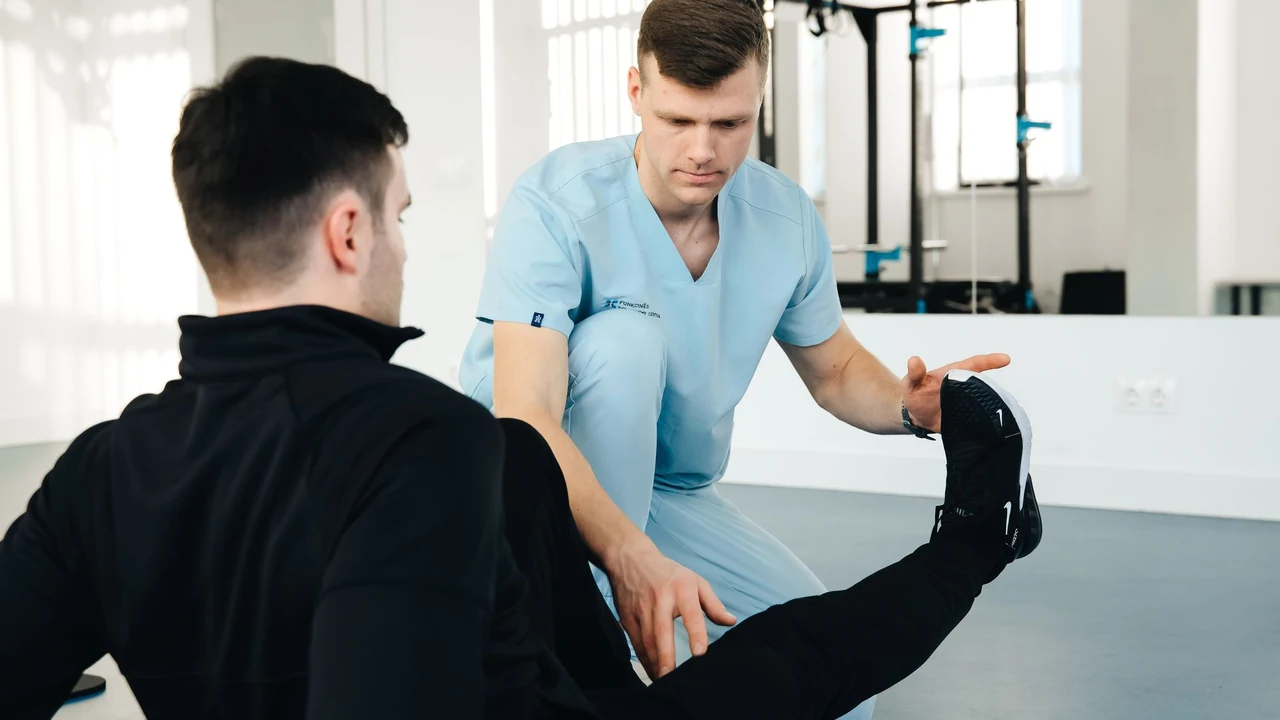
Put BPC-157 tendon questions into a practical recovery plan: diagnosis, rehabilitation goals and what current research can establish.
Illustrative licensed stock photograph. · Photo: Funkcinės Terapijos Centras · pexels.com
The short answer
Clarify the injury and the activity you want to regain. A registered BPC-157 study without results is not proof of tendon recovery or a return-to-sport timetable.
Table of Contents
- Clarify the problem before comparing products
- What new BPC-157 research does and does not establish
- Set a function goal you can revisit
- Avoid changing everything at once
- Read the blend as two ingredients
- Leave the review with a progression rule
- Sources
- Explore this topic
If you are considering BPC-157 because a tendon problem is interrupting training, start with the diagnosis and the activity you want to regain. Research interest in a peptide does not tell you whether pain comes from an irritated tendon, a tear or another structure, and it does not supply a safe return-to-sport date.
A useful recovery plan connects symptoms, function and a progressive rehabilitation approach. Product questions can then be discussed in that context rather than replacing it.
Clarify the problem before comparing products
Write down where the problem is, how it began, which movements provoke it and whether there was a sudden injury. Explain what you can no longer do: a particular lift, running uphill, paddling or walking stairs. That description is more helpful than labelling every problem inflammation.
NHS tendonitis guidance distinguishes routine tendon pain from signs that may indicate a rupture, such as sudden severe pain with a snapping or popping sensation. Those signs need prompt assessment. NHS tendon guidance.
If you have already had surgery, follow the surgeon's rehabilitation restrictions. Feeling less pain does not by itself show that repaired tissue is ready for unrestricted loading.
What new BPC-157 research does and does not establish
A registered study, NCT07803250, is intended to examine BPC-157 after rotator-cuff repair. On 9 October 2026, its record was listed as not yet recruiting, with no posted results. A registration describes planned research; it is not evidence that the intervention has already improved recovery. ClinicalTrials.gov record.
This is an important distinction when reading headlines about a “human trial.” Check whether the page reports completed outcomes, a protocol or an upcoming study. Also check the anatomical problem and whether participants had surgery. A shoulder-surgery study would not automatically answer a question about running-related Achilles pain.
Set a function goal you can revisit
Choose a specific task with your physiotherapist or treating clinician. It might be returning to an agreed range of movement, tolerating a particular everyday activity or progressing through a rehabilitation exercise. Record the conditions so the next check is comparable.
“Back to normal” is difficult to measure. “Able to complete the prescribed exercise at the agreed load with the agreed response afterwards” gives the plan a clearer checkpoint. The actual load and acceptable response should come from your assessment, not a generic peptide article.
Keep notes about the following day as well as the session itself if your clinician asks you to monitor that response. A pain-free moment during exercise is only one observation.
Avoid changing everything at once
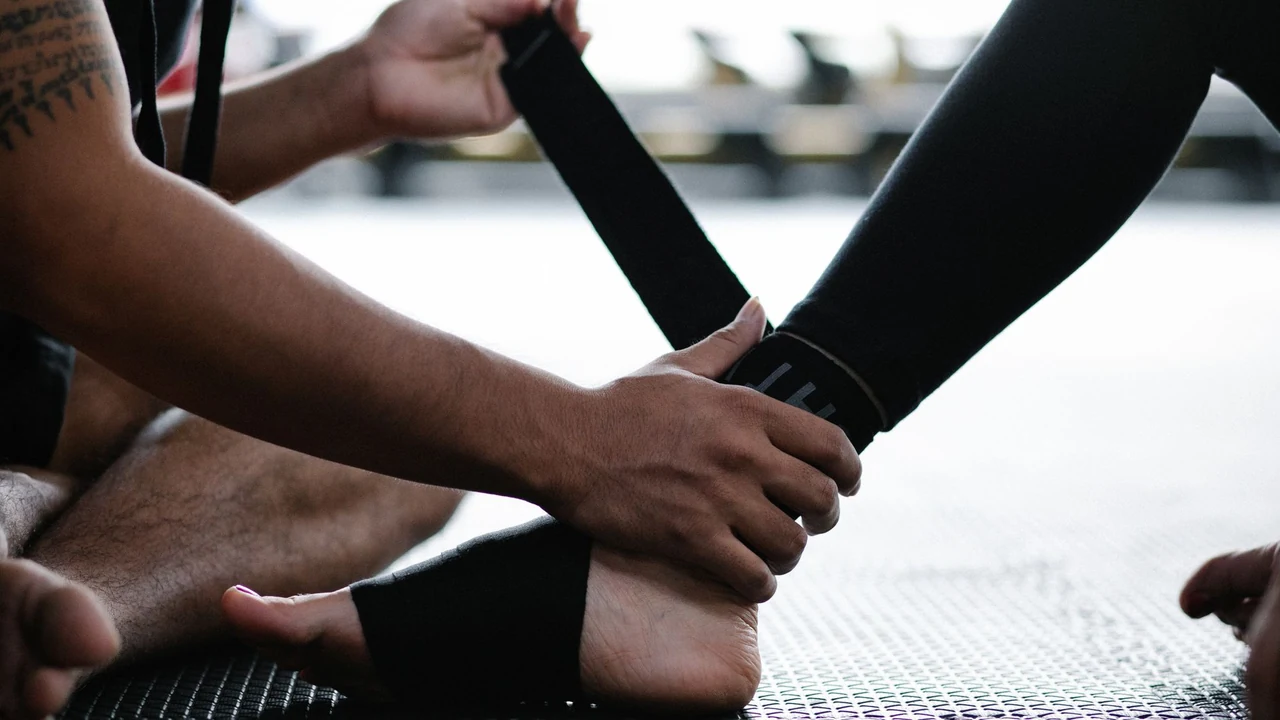
Illustrative licensed stock photograph. · Photo: Annushka Ahuja · pexels.com
View full size ↗A new exercise program, more training, a new supplement and a new peptide started together create a confusing before-and-after comparison. If the problem improves, you cannot reliably assign the improvement to one element. If it worsens, identifying the reason is also harder.
Share every relevant product with the clinician overseeing recovery. Include the actual label and ingredients, rather than a nickname such as “recovery stack.” For general post-exercise discomfort, our muscle-soreness guide discusses a different problem; it should not be used to dismiss a suspected tendon injury.
Read the blend as two ingredients
The BPC-157 & TB-500 pen lists 16 mg of each component, for 32 mg total. It does not contain 32 mg of BPC-157 plus another 32 mg of TB-500. Nor does research about BPC-157 alone establish the effect of that finished blend.
Use our BPC-157 versus TB-500 guide to distinguish the ingredient questions. For purchasing, confirm the supplied format and documentation. For clinical decisions, ask about the evidence relevant to your actual injury and rehabilitation stage.
Leave the review with a progression rule
The most useful outcome of a recovery appointment is a plan you can follow: what activity is appropriate now, which change would prompt reassessment, and what must happen before the next progression. Keep that plan accessible when enthusiasm returns and symptoms start to improve.
No product page can certify that a tendon is healed. A clear diagnosis, repeatable function checks and an agreed rehabilitation progression make the return to activity more deliberate, while allowing research and product questions to be considered honestly.
Instructions & useful references
- TendonitisNHS · Severe sudden symptoms or suspected rupture need assessment; general management and recovery guidance.
- BPC-157 after rotator cuff repair study registrationClinicalTrials.gov · API checked: NOT_YET_RECRUITING, no posted results, estimated January 2027 start. Registration is not completed efficacy evidence.
Sources checked on October 9, 2026. This guide provides general information, with practical planning suggestions. It is not an individual treatment plan.